The short answer: Maintaining a lawn in Miami’s tropical weather requires year-round care with treatments every 42 days, focusing on weed control, pest prevention, and disease management. Unlike northern lawns that go dormant in winter, Miami lawns grow all year and face unique challenges from heat, humidity, and heavy rainfall.
The key is staying ahead of problems rather than reacting to them. Miami’s warm, wet climate creates the perfect conditions for weeds, insects, and fungal diseases to thrive.
Quick overview:
- Year-round growth: Your lawn never stops growing, so it never stops needing care
- Pest pressure: Fire ants, mole crickets, and grubs love Miami’s soil
- Disease risks: High humidity means fungal problems can appear almost overnight
- Weed challenges: Tropical weeds like nutsedge spread aggressively in our climate
Whether you handle lawn care yourself or hire professionals, understanding Miami’s unique growing conditions will help you make better decisions for your yard.
The Complete Lawn Care Approach: Our 8-Round Program
At Lawn Squad of South Miami, we’ve developed a comprehensive lawn care system designed specifically for Miami-Dade County’s tropical climate. Our programs run from January through November, with treatments spaced every 42 days to match how grass grows in our area.
This approach works because it addresses problems before they become visible. By the time you notice brown patches or thinning grass, the underlying issue has often been developing for weeks. Our system applies preventative treatments at the right times so problems never get a foothold.
Even if you prefer to care for your lawn yourself, understanding this schedule will help you time your own treatments correctly.
Why Lawn Care Matters More Than Most Miami Homeowners Realize
Miami’s tropical weather creates a double-edged sword for lawns. The same warmth and moisture that helps grass grow also helps weeds, insects, and diseases thrive. Skip one treatment or apply products at the wrong time, and you can lose months of progress in just a few weeks.
Here’s what makes Miami different from the rest of Florida and most of the country:
Our summer rainy season dumps 60 or more inches of rain between May and October. This constant moisture creates ideal conditions for fungal diseases like brown patch and dollar spot. Without preventative fungicide treatments, you might wake up one morning to find large circular patches of dead grass spreading across your yard.
Fire ants and mole crickets are more than just nuisances in South Miami. They actively damage turf by tunneling through root systems and creating mounds that kill grass. A single fire ant colony can expand to cover your entire property within one season if left untreated.
Nutsedge, one of the most stubborn weeds in Miami, isn’t actually a grass at all. It’s a sedge, which means regular broadleaf weed killers won’t touch it. This weed spreads through underground tubers and can take over a lawn in a single growing season.
At Lawn Squad of South Miami, we’ve spent over two decades learning exactly what local lawns need. Generic advice from national websites doesn’t account for our specific soil conditions, pest pressures, and weather patterns.
Professional Lawn Care Guide for South Miami
Most Miami homeowners choose professional lawn care because the timing and products required are so specific to our climate. Here’s what a complete professional program looks like.
Round 1: Early Season Foundation (January)
The year starts with pre-emergent herbicide to stop spring weeds before they sprout. This treatment creates a barrier in the soil that prevents weed seeds from germinating.
Professional services also include:
- Broadleaf weed control for any existing weeds
- Disease control treatment to protect against early fungal activity
- Soil testing to identify pH imbalances or nutrient deficiencies
This round matters because pre-emergent herbicides only work before weeds appear. Once you see weeds, it’s too late for prevention. You’ll need more aggressive (and expensive) curative treatments instead.
Round 2: Spring Growth Push (Late February)
As temperatures rise, grass starts growing more actively. This round feeds that growth while continuing weed prevention.
Treatments include:
- A second pre-emergent application to maintain the weed barrier
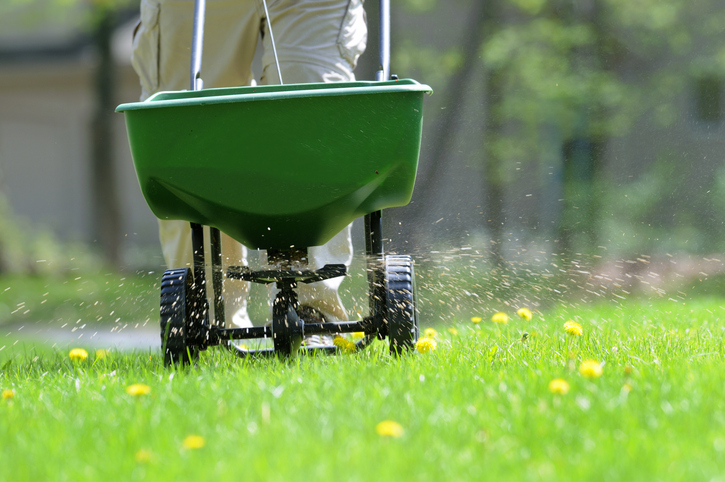
- Fertilizer to support healthy spring growth
- Broadleaf weed control
- Surface insect control as pest activity increases
Round 3: Pest Prevention Peak (April)
April marks the beginning of Miami’s intense pest season. This is when fire ants and mole crickets become most active.
The ELITE program includes fire ant and mole cricket prevention at this stage. This preventative treatment costs less than half what curative treatments cost once an infestation takes hold.
Surface insect control continues, along with ongoing broadleaf weed management.
Round 4: Summer Stress Preparation (May)
Before Miami’s brutal summer heat and daily afternoon storms arrive, your lawn needs reinforcement.
This round includes:
- Fertilizer with root stimulant to help grass survive heat stress
- Sedge suppression to combat nutsedge growth
- Disease control as humidity increases
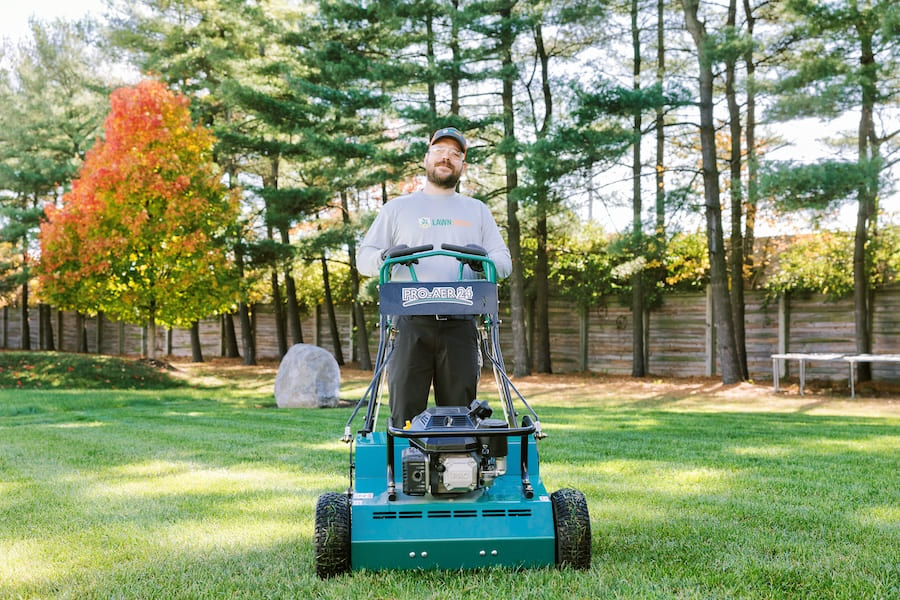
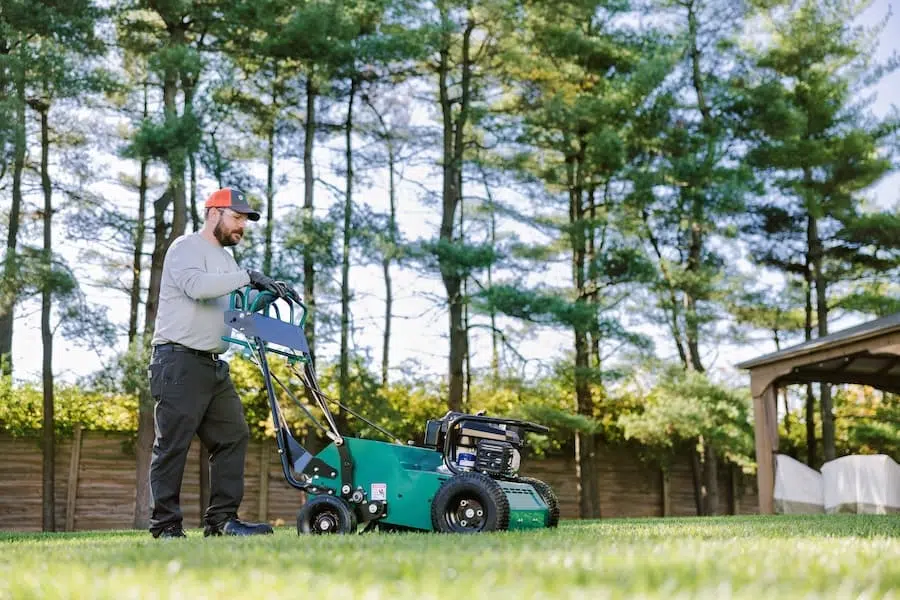
- Core aeration to reduce soil compaction (ELITE program)
- Iron treatment for deeper green color
Critical warning: Many homeowners over-fertilize in summer, thinking more is better. In Miami’s heat, excess nitrogen can actually burn grass and promote fungal diseases. Professional programs use precisely measured applications.
Round 5: Peak Summer Maintenance (Late June)
Summer in South Miami means daily temperatures in the 90s and afternoon thunderstorms. Your lawn is under maximum stress.
Treatments focus on:
- Continued sedge suppression
- Surface insect control
- Broadleaf weed management
- Aeration to improve drainage during heavy rains (ELITE program)
Round 6: Late Summer Transition (August)
As summer slowly winds down, this round prepares your lawn for fall while continuing summer protections.
Services include:
- Pre-emergent herbicide for fall weed prevention
- Fertilizer to support recovery from summer stress
- Disease control as temperatures remain high
- Final sedge suppression treatment
Round 7: Fall Recovery (September)
Cooler nights allow grass to recover from summer stress. This round helps your lawn bounce back.
Treatments include:
- Pre-emergent herbicide to prevent winter weeds
- Broadleaf weed control
- Surface insect control
Round 8: Winter Preparation (November)
The final round sets your lawn up for success through Miami’s mild winter.
This includes:
- Fertilizer to store nutrients for the slower winter months
- Broadleaf weed control
- Disease control treatment
Lawn Squad of South Miami handles all of this through our ELITE, PRO, and ESSENTIAL programs, each tailored to different budgets and needs.
DIY Lawn Care Guide for Miami Homeowners
If you prefer handling lawn care yourself, you can achieve good results with careful timing and the right products. Here’s what you need to know.
Step 1: Master the Timing
Miami lawns need treatment every 42 days, year-round. Mark your calendar and stick to it. Missing a treatment window, especially for pre-emergent herbicides, can mean dealing with weeds for the entire season.
Key timing windows:
- Pre-emergent must go down before weeds germinate (January, late February, August, September)
- Fertilizer works best in February, May, August, and November
- Insect control is most important April through October
- Fungicide applications should increase during rainy season (May through October)
Step 2: Identify Your Grass Type
Most South Miami lawns have St. Augustine grass, but Bermuda, Zoysia, and Bahia are also common. Each type has different fertilizer needs and tolerates different herbicides.
St. Augustine, for example, is sensitive to certain weed killers that work fine on Bermuda. Using the wrong product can damage or kill your grass while trying to control weeds.
Sedge Control: A Special Challenge
If you see nutsedge (yellow or purple), do not use regular weed killer. Standard broadleaf herbicides won’t work on sedges. You need a product specifically labeled for nutsedge control.
Nutsedge spreads through underground tubers that can survive for years in the soil. Even if you kill the visible plant, new shoots can emerge from these tubers. Multiple treatments are usually necessary.
This is one area where many DIY homeowners struggle. The specialty products required are expensive, and timing is critical. Professional sedge control treatments are included in Lawn Squad’s programs.
Step 3: Don’t Skip Pest Prevention
Fire ants and mole crickets cause more lawn damage in Miami than most people realize. By the time you see mole cricket tunnels or fire ant mounds, significant root damage has already occurred.
Prevention is far more effective (and cheaper) than trying to eliminate established colonies. Plan for preventative treatments in early spring before pest populations explode.
How to Calculate Your Lawn’s Square Footage
You’ve probably noticed that lawn care pricing is based on square footage. Here’s how to measure your lawn accurately.
Step-by-step process:
- Measure the length and width of your lawn in feet
- Multiply length times width for rectangular areas
- For irregular shapes, break the lawn into smaller rectangles, calculate each, then add them together
- Subtract areas without grass (house footprint, driveway, flower beds, pool)
Example: A front yard measuring 50 feet by 30 feet equals 1,500 square feet. A back yard measuring 60 feet by 40 feet equals 2,400 square feet. Total lawn area: 3,900 square feet.
Most South Miami homes fall in the 5,000 to 15,000 square foot range. This affects pricing for all services, from basic fertilization to aeration and overseeding.
What About Soil Testing?
Soil testing is one of the most valuable but overlooked lawn care services. A simple test reveals your soil’s pH level, nutrient content, and organic matter percentage.
Why does this matter? Miami soil is often high in pH (alkaline) and low in certain nutrients. Without testing, you might apply fertilizer your lawn doesn’t need while missing nutrients it’s actually lacking.
Lawn Squad of South Miami includes soil testing in our ELITE program because it guides every other treatment we apply. We can adjust pH with lime or sulfur applications and customize fertilizer blends based on actual deficiencies rather than guesswork.
For DIY homeowners, soil tests are available through Miami-Dade County Extension services. We recommend testing every two to three years.
Common Lawn Care Mistakes Miami Homeowners Make
After over two decades serving South Miami, we’ve seen the same mistakes repeated again and again.
Mistake #1: Mowing Too Short
Miami homeowners often scalp their lawns trying to reduce mowing frequency. St. Augustine grass should never be cut below 3.5 inches. Cutting it shorter stresses the plant, exposes soil to sunlight (encouraging weeds), and reduces the root system’s ability to find water during dry spells.
Mistake #2: Watering at the Wrong Time
Evening watering is convenient but promotes fungal diseases because grass stays wet overnight. Morning watering (before 10 AM) gives grass time to dry during the day. This single change can dramatically reduce brown patch and other fungal problems.
Mistake #3: Applying Products Before Rain
Miami’s afternoon storms are predictable during summer. Applying fertilizer or herbicides before heavy rain washes products away before they can work, wasting money and potentially contaminating storm drains.
Mistake #4: Ignoring Early Warning Signs
Small patches of discolored grass, subtle thinning, or a few weeds are easy to ignore. In Miami’s climate, small problems become big problems within weeks. Early intervention is always easier and cheaper than waiting.
Mistake #5: Using Northern Lawn Advice
Advice that works for lawns in Ohio or Virginia can actually harm Miami lawns. Our growing season, grass types, pest pressures, and soil conditions are completely different. Always look for information specific to South Florida.
Professional Care vs. DIY: Which Should You Choose?
Professional lawn care provides precise timing, commercial-grade products, and expert diagnosis of problems. You don’t have to store chemicals, research application rates, or worry about making mistakes.
Best for: Homeowners who value their time, want guaranteed results, or have challenging lawn issues like persistent fungus or pest problems.
DIY lawn care costs less upfront and gives you complete control. You’ll learn a lot about your lawn and can address problems immediately without scheduling.
Best for: Homeowners who enjoy yard work, have smaller properties, and are willing to invest time learning about products and timing.
Your Miami Lawn Care Calendar at a Glance
ELITE Program (14 Treatments)
| Month | What Happens | Key Services |
|---|---|---|
| January | Foundation round | Pre-emergent, weed control, disease control, soil test |
| Late February | Spring growth | Pre-emergent, fertilizer, weed control, insect control |
| April | Pest prevention | Weed control, insect control, fire ant prevention |
| May | Summer prep | Fertilizer, weed control, sedge control, disease control, aeration |
| Late June | Peak summer | Weed control, insect control, sedge control, aeration |
| August | Late summer | Pre-emergent, fertilizer, weed control, disease control, aeration |
| September | Fall recovery | Pre-emergent, weed control, insect control |
| November | Winter prep | Fertilizer, weed control, disease control |
ESSENTIAL Program (6 Treatments)
| Month | What Happens | Key Services |
|---|---|---|
| January | Foundation | Pre-emergent, weed control |
| Late February | Spring | Pre-emergent, fertilizer, weed control |
| April | Spring maintenance | Weed control |
| May | Summer | Fertilizer, weed control |
| August | Late summer | Pre-emergent, fertilizer, weed control |
| November | Winter prep | Fertilizer, weed control |
The Bottom Line
Miami’s tropical climate creates beautiful lawns, but only with consistent, properly timed care. Your grass grows year-round, which means weeds, insects, and diseases never take a break either.
Key principles to remember:
- Treat every 42 days throughout the year
- Prevention is always easier (and cheaper) than cure
- Timing matters more than product quantity
- Know your grass type before applying any chemicals
- Morning watering reduces disease pressure
- Never mow below 3.5 inches for St. Augustine grass
Follow these principles, and your lawn will stand out in the neighborhood. Ignore them, and Miami’s aggressive weeds and pests will quickly take over.
Let Lawn Squad Handle It For You
Every Miami lawn is different. Soil conditions vary from block to block. Some yards have more shade. Others have drainage problems. Your specific grass type affects which products work best.
Lawn Squad of South Miami accounts for all of these factors in our customized programs.
Our ELITE Program includes:
- 14 professional treatments across 8 rounds
- Pre-emergent weed prevention (4 applications)
- Fertilization (4 applications)
- Broadleaf weed control (all 8 rounds)
- Surface insect control (6 rounds)
- Fire ant and mole cricket prevention
- Disease control treatments
- Sedge suppression
- Summer aeration
- Soil testing
- Unlimited service calls
Tired of spending weekends spraying chemicals and still dealing with weeds? Frustrated by brown patches that won’t go away? Ready to stop guessing about what your lawn actually needs?
Contact Lawn Squad of South Miami today at (786) 224-4616 or visit lawnsquad.com/contact-us to get a free quote and discover what professional lawn care can do for your property.