Short Answer: Spring is when the critical foundation for the entire growing season is established. Pre-emergent weed control prevents summer crabgrass (miss it and you fight weeds all year). Early fertilization fuels root development that sustains the lawn through summer stress. Proper mowing height from the first cut determines how well the grass competes with weeds and handles heat. The decisions you make in March, April, and May have a bigger impact on your lawn’s August appearance than anything you do in August itself.
There is a common misconception that summer is when lawn care matters most. After all, that is when you are outside the most, when the grill is going, and when you want the yard to look its best. But the truth is that by the time summer arrives, the outcome is largely already determined by what happened in spring.
Think of spring as the foundation of a house. You cannot see the foundation when the house is finished, but every room in the house depends on it being solid. Spring lawn care works the same way. Here is why every major lawn care decision in spring has outsized consequences for the rest of the year.
Pre-Emergent: A Window That Only Opens Once
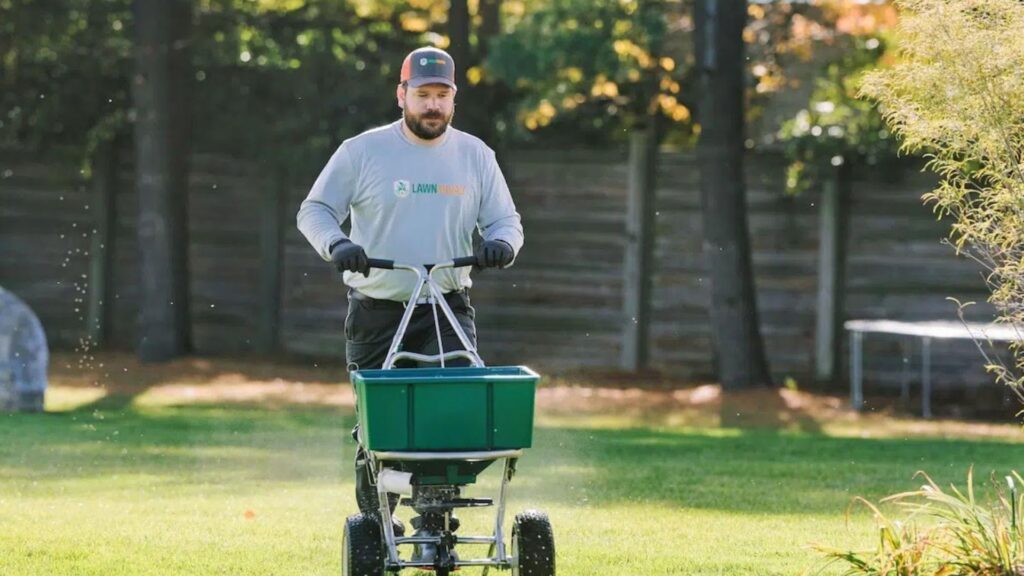
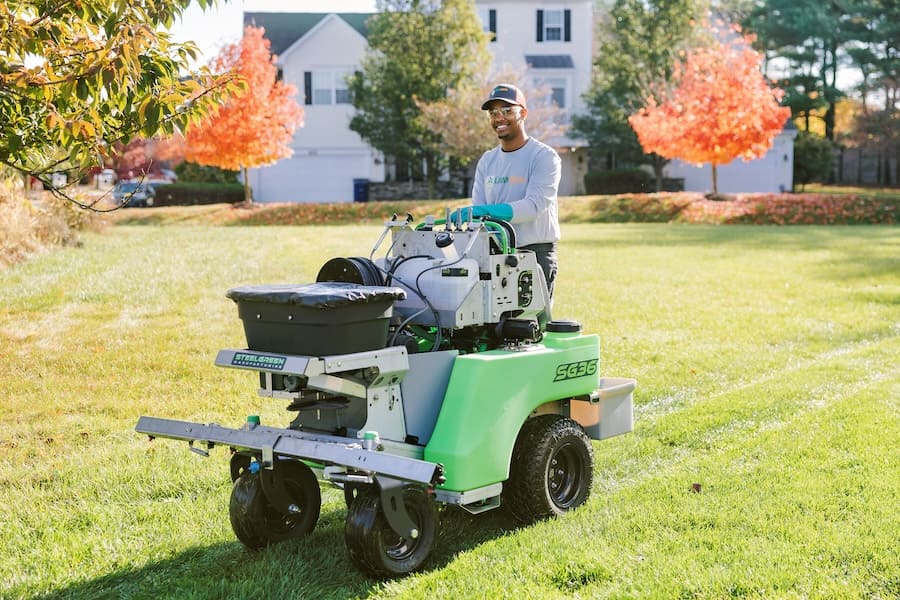
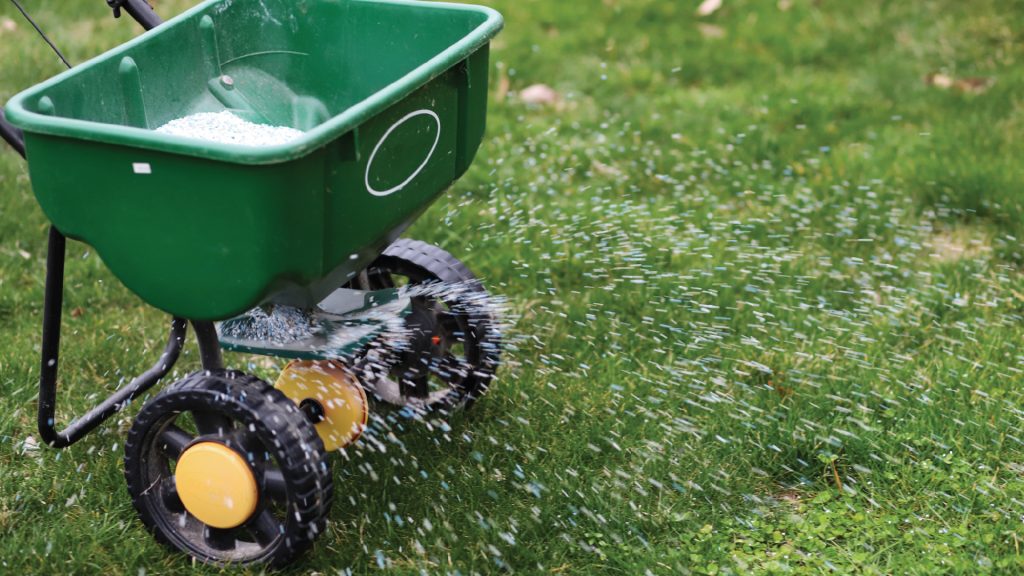
Pre-emergent crabgrass control is the clearest example of why spring timing is irreplaceable. The application window is narrow, typically a few weeks in early to mid-spring when soil temperatures are approaching but have not yet reached 55 degrees. Apply it on time and crabgrass never establishes. Miss it and you spend the rest of the season fighting crabgrass with post-emergent treatments that are more expensive and less effective.
There is no way to make up for a missed pre-emergent window later in the season. It is a one-shot opportunity that pays dividends all the way through fall. This single spring decision has more impact on summer weed pressure than all the summer weed treatments combined.
Spring Fertilization Drives Summer Performance
The fertilizer you apply in spring does not just make the lawn green for a few weeks. It fuels the root development and carbohydrate storage that the grass draws on during summer stress. A lawn that enters summer with a strong root system and adequate energy reserves can maintain its health through heat, drought, and heavy use. A lawn that enters summer nutritionally depleted struggles from the start.
The key is applying the right amount at the right time. Too much spring fertilizer pushes excessive top growth that depletes the plant’s energy and creates mowing headaches. Too little leaves the grass underprepared for what is coming. A properly calibrated spring fertilization program threads the needle between these extremes.
First Mowing Height Sets the Trajectory
The height you set your mower at for the first cut of the season establishes a pattern that affects everything from weed competition to root depth to disease susceptibility. Mowing cool-season grass at 3 to 3.5 inches from the very first cut encourages the deep root growth and dense canopy that shade out weeds and protect against summer stress.
Homeowners who scalp their lawn in early spring thinking it will encourage new growth are actually creating the opposite effect. Short-cut grass redirects energy from root development to leaf regrowth, opens the soil surface to weed germination, and leaves the lawn vulnerable heading into the most demanding months of the year.
Spring Is When Problems Are Cheapest to Fix
Almost every lawn problem is easier and less expensive to address in spring than at any other time of year. Weeds that are small and actively growing respond better to post-emergent treatment than established summer weeds. Thin areas benefit from the favorable growing conditions of spring. Soil amendments applied in spring have the full growing season to improve conditions.
Waiting until a problem becomes severe in summer means treating it under the worst possible conditions: heat stress, drought, and aggressive weed competition. The same problem that takes one treatment to resolve in April may take three treatments and a recovery period if you wait until July.
The Compound Effect
Every spring lawn care decision compounds over the following months. A well-timed pre-emergent reduces summer weed pressure, which means less herbicide is needed later, which means less stress on the grass during its most vulnerable period. Proper spring fertilization produces a denser canopy, which naturally suppresses weeds, retains soil moisture, and shades roots from heat.
Conversely, spring mistakes compound too. A missed pre-emergent leads to crabgrass, which competes with the grass for water and nutrients, which thins the lawn, which allows more weeds to establish, which creates a cycle that is difficult and expensive to break.
What to Do Next
If you want to set your lawn up for its best season yet, the time to act is now. Spring is when the foundation is built, and every week matters. Lawn Squad’s VitaminLawn program is designed to deliver the right treatments at the right time, starting with the critical spring applications that set the trajectory for the entire year.
Request your free quote at lawnsquad.com or call your local Lawn Squad branch today. Your lawn’s best summer starts with what you do this spring.