Short Answer: For most North Dallas and Prosper homeowners the answer is no. Overseeding dormant bermuda with perennial ryegrass does give you a green lawn from November through April, but it costs you winter irrigation, winter mowing, and most importantly your fall pre-emergent, since you cannot block ryegrass seed and weed seed selectively. It also competes with bermuda during spring green up and can leave the lawn thinner in May. Overseed only if winter color genuinely matters to you and you accept those trade offs.
What Overseeding Actually Means Here
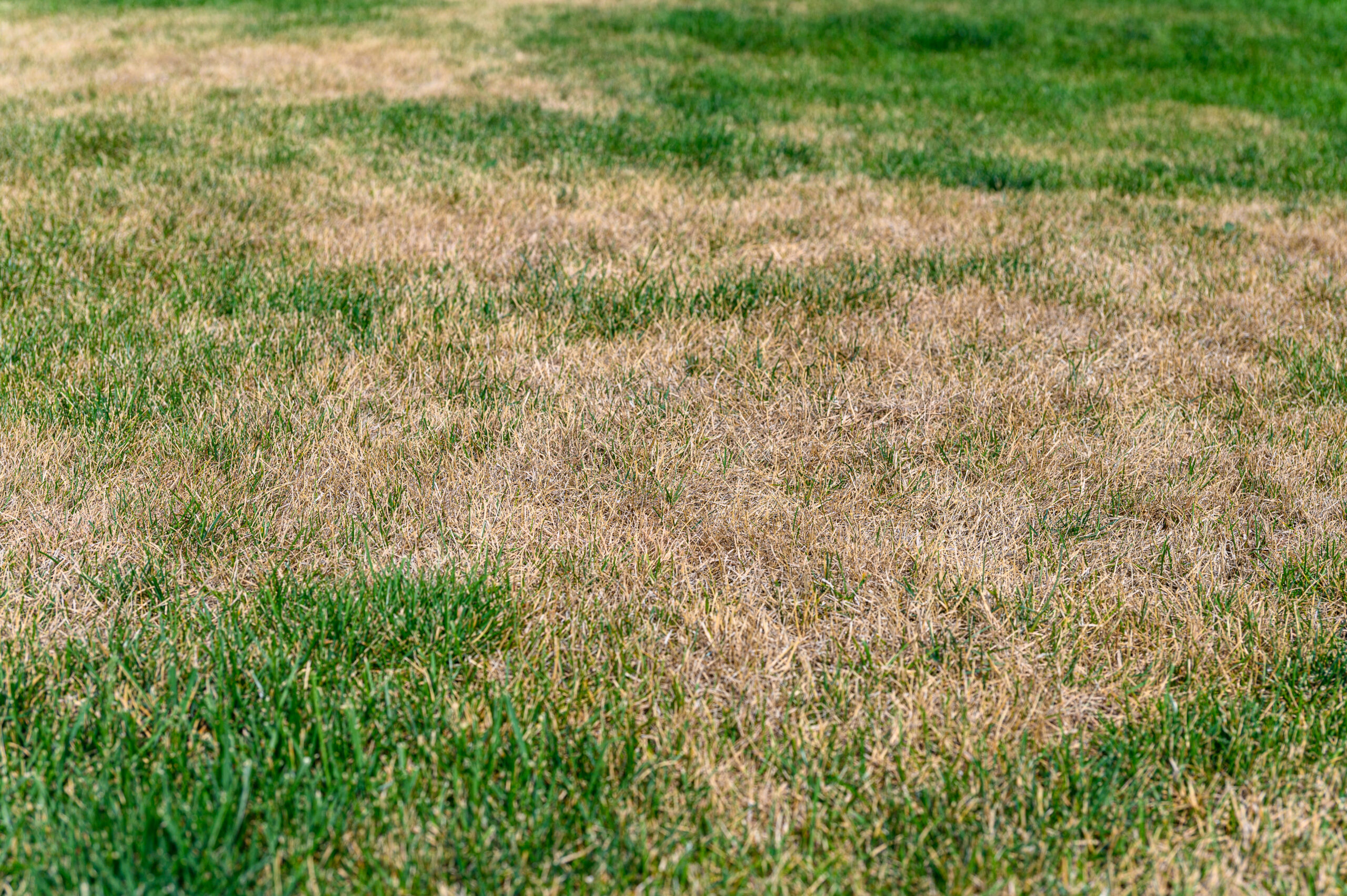
Almost every lawn in North Dallas and Prosper is bermuda, with some zoysia and St. Augustine in shaded areas. All of those are warm season grasses, which means they go dormant and turn tan after the first hard frost and stay that way until soil warms in spring. In our area that is roughly late November through late March, though it swings a fair amount year to year.
Overseeding is the practice of sowing perennial ryegrass, a cool season grass, over the top of the dormant lawn. The ryegrass germinates in cool soil, grows through winter, gives you a green lawn during the months bermuda is asleep, and then dies out when summer heat arrives.
It is a cosmetic decision. Nothing about overseeding improves the health of the bermuda underneath, and several parts of it make things harder.
The Honest Case For It
There are legitimate reasons people do it.
- You are selling the house in the winter or spring and curb appeal has a dollar value.
- You genuinely dislike looking at a tan lawn for four months.
- You have heavy winter traffic on the lawn, from kids or dogs, and living cover reduces mud and wear on dormant turf.
- You have significant erosion on a slope where dormant bermuda is not holding soil.
Those are real. If one of them describes you, overseeding is a defensible choice. The problem is that most people who ask about it are simply reacting to the first tan week in December, without knowing what the rest of the season involves.
The Cost That Surprises People: You Lose Your Pre-Emergent
This is the trade off that decides it for most North Texas lawns, and it rarely gets mentioned.
A fall pre-emergent stops winter annual weeds at germination. In North Dallas and Prosper that means annual bluegrass, henbit, chickweed, rescuegrass, burclover, and thistle, all of which come up as soil temperature falls through about 70 degrees and then own the lawn all winter while bermuda is dormant. That application is the single highest value thing you can do for a warm season lawn in the fall.
A pre-emergent does not distinguish between weed seed and ryegrass seed. Both are seeds. If you put down pre-emergent, your ryegrass will not come up. If you overseed, you cannot use pre-emergent.
So the real choice is not green lawn versus tan lawn. It is green lawn versus a clean lawn in February and a stronger bermuda stand in May. Framed that way, most homeowners here decide to skip the ryegrass.
The Water Cost in a Drought Prone Region
North Texas moves in and out of drought, and watering restrictions are a standing part of life across the northern suburbs rather than an occasional emergency. Check what your provider currently allows before you commit to anything.
A dormant bermuda lawn needs very little water through winter. An overseeded lawn needs consistent moisture to germinate, which means light frequent watering for two to three weeks, and then regular irrigation all winter to keep the ryegrass alive and green.
If restrictions limit you to a set number of days per week, germinating ryegrass may not be practical at all. Seed that gets halfway through germination and then dries out is simply money spread on the ground.
The Spring Problem
The part people regret is April and May.
Bermuda breaks dormancy when soil warms, and it needs light and space to do it. A dense ryegrass stand shades the soil, keeps it cooler, and competes directly for water and nutrients at the exact moment bermuda is trying to wake up. The result is delayed green up and a thinner bermuda stand heading into summer.
Then the ryegrass dies as heat arrives, usually in a messy uneven way through May and June, leaving brown patches on a lawn that has not fully filled in yet. Lawns that get overseeded year after year often end up progressively weaker, because bermuda never gets a clean start.
Newly sodded or young bermuda lawns, which describes a great many properties in Prosper, Celina, and the newer parts of Frisco and McKinney, should not be overseeded at all. Those lawns need every advantage to establish, and adding winter competition works against that.
If You Decide to Do It Anyway
Done properly, overseeding works. Done casually, it wastes money.
- Timing. Seed when soil temperature is falling into the mid 70s and nights are consistently cool, generally October in our area. Too early and heat kills seedlings while bermuda still competes. Too late and cold soil slows germination past the point of usefulness.
- Preparation. Mow the bermuda lower than normal and bag the clippings so seed reaches soil. This is the one situation where a lower cut is justified.
- Seed choice. Perennial ryegrass gives finer texture and better color than annual ryegrass, which is coarser and lighter green. Annual is cheaper and it does exit more cleanly in spring.
- Water. Keep the surface consistently moist for the first two to three weeks, then move to deeper less frequent watering.
- Mowing. Expect to mow through the winter whenever the ryegrass is growing, which on a mild North Texas winter is most weeks.
Getting Out of It in Spring
If you overseed, plan the exit. The goal is to weaken the ryegrass as bermuda wakes so the transition is quick rather than drawn out.
Stop watering the ryegrass once soil temperatures climb and bermuda is greening. Lower the mowing height gradually to expose soil to sun and warm it faster. Do not fertilize the ryegrass in spring, since that just extends its life at bermuda expense.
In a hot April the transition happens fast. In a mild spring it can drag into June, and that is the year people swear off overseeding.
The Alternative: Manage Dormancy Well
The other path is to accept that the lawn goes tan and focus on making it healthy.
Dormancy is not death. The plant is alive and storing energy in crowns, rhizomes, and stolons. A lawn that goes into winter with good reserves and no weed pressure comes out earlier, greener, and denser than one that spent the winter fighting ryegrass.
Turf colorants are also worth knowing about. These are pigments sprayed on dormant grass that produce a green appearance for several weeks at a time. They use no water, require no mowing, and do not interfere with pre-emergent. They are common on golf courses and increasingly used on home lawns in the southern half of the country.
Blackland Clay Changes the Math
Much of North Dallas and Prosper sits on Blackland Prairie soil, the heavy dark clay that swells when wet and cracks open when dry. It is fertile but it drains slowly and compacts easily, especially on newer lots where construction traffic packed the subsoil and only a thin layer of topsoil was spread over it.
That matters for this decision in two ways. First, clay holds surface moisture, so an overseeded lawn watered frequently in winter stays wet longer than it would on sandier ground, which raises disease pressure. Second, compacted clay is already limiting root depth on many of these lawns, and anything that adds competition for a shallow root zone makes the underlying problem worse.
On a compacted new construction lot, the productive fall work is fixing drainage and planning aeration for next summer when bermuda is growing, not adding a winter grass.
What Actually Deserves Your Fall Budget
If you skip the ryegrass, here is where that effort goes further.
- Pre-emergent on time, when soil temperature at two inches falls through about 70 degrees, watered in with a quarter to half inch of water.
- No late nitrogen. The last real feeding on bermuda should land roughly six weeks before average first frost, which here means late August into early September. Nitrogen after that pushes tender growth into freeze events and causes winter injury.
- Potassium instead. It supports cold and stress tolerance without forcing top growth. Read the analysis rather than trusting the word winterizer, since many of those bags are built for northern cool season lawns.
- Irrigation adjustment. Cut frequency sharply as nights cool. Running an August schedule into November wastes water and encourages disease.
- Mowing height held steady until growth stops. Do not scalp before winter, since leaf tissue insulates the crowns.
What Normal Dormancy Should Look Like
People new to North Texas are often unsettled the first time bermuda goes tan. Healthy dormancy is uniform. The lawn fades together after the first hard frost, with no distinct edges, and it stays evenly straw colored.
What is not normal is patchy browning with sharp circular edges, areas where grass pulls up by the handful, or spots that stay green while everything around them goes dormant. Those patterns point to disease, grubs, or an irrigation fault, and they are worth diagnosing in the fall rather than discovering in April.
What to Do Next
Walk the lawn this week and write down the two or three things that actually bother you about it, then work backward from the window rather than forward from today. Almost every fall mistake we see in North Dallas and Prosper comes from starting with the calendar instead of with the lawn.
If you would rather have someone look at it with you, Lawn Squad of North Dallas and Prosper offers a free quote. Call 833-816-7508 or find us at lawnsquad.com. Every Lawn Squad location is independently owned and operated, and our VitaminLawn fertilization and weed control program is built around the grass, soil, and conditions here rather than a national average.
A first visit is a walk of the property, a look at the thin areas, a check of mowing height and irrigation, and a straight conversation about what is realistic in the weeks left this season. At 30 days you should see color and density improve. At 90 days the lawn should be visibly thicker, with the root growth that carries it through winter.