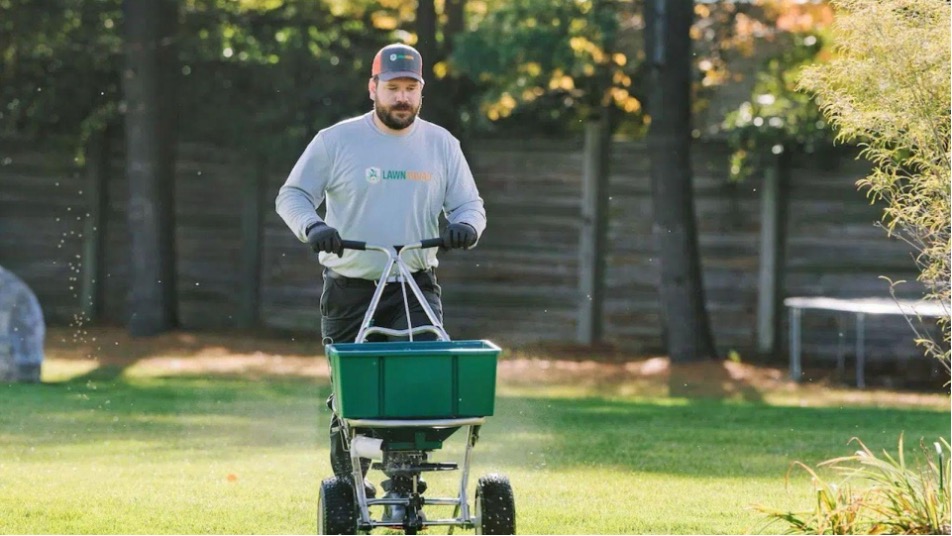
When Should You Aerate a Cypress or Tomball Lawn? Why Fall Is the Wrong Time Here

When Should You Aerate a Cypress or Tomball Lawn? Why Fall Is the Wrong Time Here
Short Answer: For the warm-season grasses that cover most Cypress and Tomball lawns, the best time to core aerate is late spring into early summer, once the lawn has fully greened up and is growing strongly. The fall aeration advice you see online is written for cool-season grasses up north. Here is what we have found works best: use fall and winter to spot compaction and plan, then aerate St. Augustine, Bermuda, or zoysia when it is actively growing, with moist soil, a core aerator, and the cores left on the lawn to break down.
If you are reading this, you may have seen ads and articles this fall saying now is the time to aerate your lawn. In much of the country, that is true. Here in Cypress and Tomball, it usually is not, and the reason comes down to the type of grass growing in your yard.
Aeration is one of the most useful things you can do for a compacted lawn. Doing it at the right time makes the difference between a lawn that bounces back thicker and one that sits with open holes all winter.
What Core Aeration Does
A core aerator pulls small plugs of soil out of the lawn, leaving holes a few inches deep across the yard. Those holes relieve compaction, let water and air reach the roots, help fertilizer move into the soil, and break up some of the thatch layer at the surface. As the grass fills the holes back in, roots grow deeper and the turf thickens.
Why Fall Advice Does Not Fit Here
Most of the fall aeration advice you read is written for cool-season grasses like tall fescue and Kentucky bluegrass. Those grasses grow strongest in the cool weather of fall, so that is when they recover fastest from aeration, and it is often paired with overseeding.
Lawns around Cypress, Tomball, Magnolia, and Pinehurst are mostly warm-season grasses: St. Augustine, Bermuda, and zoysia. They grow strongest in the warmth of late spring and summer and slow down as fall cools off. Aerating them in mid to late fall, after growth slows, means the holes heal slowly before winter. Open soil all winter can also give winter weeds an easy place to sprout.
The Right Window for Warm-Season Grass
Here is what we have found works best. Aerate warm-season lawns in late spring into early summer, once the grass has fully greened up and you have been mowing regularly for a few weeks. At that point the lawn is actively growing and will fill in the holes quickly. Avoid aerating during a drought or extreme heat, when the grass is already stressed.
Signs Your Lawn Is Compacted
Not every lawn needs aeration every year. Watch for these signs. Water puddles or runs off instead of soaking in. Grass is thin along paths where people and pets walk. The soil feels hard underfoot. Or try the screwdriver test: after a good rain, push a long screwdriver into the lawn. If it slides in easily, the soil is in good shape. If you have to lean on it, the soil is likely compacted.
Soil Varies a Lot Around Here
The area covers a lot of ground, and the soil changes with it. Yards on the open, prairie side of Cypress and toward Hockley often sit on fine sandy loam that packs down hard under construction equipment. Wooded lots closer to Tomball and Magnolia can have different soil, plus tree roots competing with the lawn. New construction almost anywhere tends to have compacted soil from heavy equipment. Compaction is about how your particular yard has been built and used, not just the zip code.
Thatch Is Part of the Picture
Thatch is the layer of dead and living stems between the green blades and the soil. A thin layer is normal. When it builds up thicker than about half an inch, it can hold water at the surface, keep roots shallow, and shelter insects and disease. St. Augustine and zoysia can build thatch, especially with heavy fertilizer and frequent watering. Core aeration helps break it down over time.
Core, Not Spike
Spike aerators, including the shoes with spikes on the bottom, push holes into the soil without removing anything. On compacted soil, that can actually press the soil tighter around each hole. A core aerator removes plugs, which is what relieves compaction. If you are going to aerate, use a core machine.
How to Get Ready
Water the lawn a day or two ahead so the soil is moist but not soggy. Dry, hard soil keeps the tines from going deep, and soggy soil smears and clogs. Mark sprinkler heads, shallow irrigation lines, buried cables, and invisible pet fences so the machine can steer around them.
Doing It Yourself or Hiring It Out
Core aerators can be rented, and plenty of homeowners do it themselves. Be ready for the work. The machines are heavy, they pull hard on slopes and turns, and they are tough to load into a car or truck. You also need to make several passes to pull enough cores, and mark every sprinkler head first. Hiring it out costs more than a rental, but it saves an afternoon of hard work and the risk of hitting irrigation lines.
What to Do After
Leave the soil cores on the lawn. They look messy for a week or so, then break down and return soil and microbes to the surface. Water as needed, keep mowing at your normal height, and keep feeding on schedule. The lawn should look fuller within a few weeks as it fills in the holes.
No Overseeding for St. Augustine
Up north, aeration is often followed by overseeding. That does not apply to St. Augustine, which is grown from sod and plugs rather than seed. If a St. Augustine lawn has bare spots, the fix is usually improving the conditions that caused them and then patching with sod in the growing season.
What to Do This Fall Instead
Fall is a good time to plan. Walk the lawn after a heavy rain and note where water stands. Do the screwdriver test in a few spots. Mark the paths where grass is thinnest. That gives you a map of where aeration will help most when the right window comes around in spring.
How Often to Aerate
A lawn on heavy, compacted soil or with a lot of foot traffic often benefits from aeration once a year. A healthy lawn on looser soil may only need it every few years. In our VitaminLawn program, aeration is included in the Elite plan, along with a soil test, disease control, and fire ant prevention.
Common Mistakes
A few patterns show up every year. Aerating St. Augustine in October because an article said to. Using spike shoes and expecting results. Aerating bone-dry soil so the tines barely go in. Raking up the cores. And skipping aeration for years on a compacted lawn that clearly needs it.
What a Well-Timed Aeration Looks Like
Imagine this. It is next June. The path the kids and the dog wore across the backyard has filled in, rainwater soaks in instead of running toward the patio, and the lawn feels softer underfoot. It worked because you mapped the problem spots in fall and aerated in late spring, when the grass was growing fast enough to take full advantage.
What to Do Next
This fall, skip the aeration and use the time to spot compaction instead. Watch where water stands, do the screwdriver test, and mark thin paths. Then plan to core aerate in late spring into early summer, once the lawn is actively growing, with moist soil and marked sprinkler heads, and leave the cores to break down.
If you would rather have someone else handle aeration at the right time, we are here for that. Lawn Squad of Cypress & Tomball is coming in 2027 to serve homeowners across Cypress, Tomball, Hockley, Magnolia, Pinehurst, and northwest Houston. Visit lawnsquad.com to request a free quote. Our VitaminLawn program is built for the grass types, soils, and weather patterns we deal with here.
Here is what to expect. We will look at your grass type, how your lawn came through the fall, and any trouble spots, then explain what we would do this winter and what comes next in spring. If your lawn does not need a treatment right now, we will tell you that honestly.