Use the Slow Season: A Winter Soil Test and Spring Plan for Cypress & Tomball Lawns

Use the Slow Season: A Winter Soil Test and Spring Plan for Cypress & Tomball Lawns
Short Answer: Winter is the best time to get ahead of next year in a Cypress or Tomball lawn. The grass is slowed down, so there is little to do day to day, which makes it the right time to test the soil and make a plan. Here is what we have found works best: send a soil sample to the Texas A&M AgriLife soil lab, map the problem spots in your yard, service the mower and sprinklers, and have spring pre-emergent ready to go down before crabgrass sprouts in late winter, usually before the lawn has even greened up.
If you are reading this, your lawn has probably slowed down for the year, and you may be wondering whether there is anything worth doing before spring. There is. Winter is when the best lawns in Cypress, Tomball, Magnolia, and Pinehurst get their head start, not with fertilizer, but with a little information and a plan.
Most lawn problems we see in spring were set up months earlier. A few hours this winter can save a lot of guesswork and wasted product next year.
Why Winter Is the Right Time
Warm-season grasses like St. Augustine, Bermuda, and zoysia are slowed down or dormant through much of winter. There is less mowing, less watering, and less to react to. That makes it a good time to look at the lawn with fresh eyes, test what is going on under the surface, and line up the first steps of spring before they sneak up on you.
Start With a Soil Test
A soil test tells you what your soil actually has and what it is missing. Without one, fertilizing is guesswork. You may be buying nutrients your lawn already has plenty of, or missing the one it really needs.
Texas A&M AgriLife Extension runs a soil testing laboratory that homeowners can use. Sample forms and instructions are available through AgriLife, and your county extension office can help if you have questions. The results include your soil’s pH, nutrient levels, and recommendations for what to apply.
How to Take a Good Sample
Here is what we have found works best. Use a clean trowel or soil probe and a clean plastic bucket. Take a dozen or so small samples from spots spread across the lawn, each about four inches deep. Remove any grass and thatch from the top, mix the samples together in the bucket, and send the amount the lab’s instructions call for. If the front and back yards look very different, or one area always struggles, test them separately.
What the Results Mean
The pH number tells you how acidic or alkaline your soil is. Many soils around Houston lean alkaline, which can make it harder for St. Augustine to take up iron and leave it looking yellow even when it is fed. Phosphorus and potassium levels tell you whether a balanced fertilizer is needed or whether a nitrogen-focused product is enough. The lab’s recommendations translate those numbers into what to apply.
Map the Problem Spots
While the lawn is quiet, walk it and make a simple map. Mark where water stands after rain. Mark shady areas where grass thins out. Note any spots that had brown circles in fall, which is often large patch and tends to return in the same places. Mark fire ant mounds, thin paths, and areas along the driveway that brown out in summer. That map tells you where to focus next year.
Plan Spring Pre-Emergent Now
This is the step most people miss. Crabgrass and other summer weeds start sprouting when the soil warms in late winter and early spring, often before the lawn has turned green. Pre-emergent has to be down before that happens to work. Around the Houston area, that window often falls in February, depending on the year. If you wait until you see crabgrass, it is too late for pre-emergent to stop it.
Hold Off on Early Fertilizer
The flip side is fertilizer. Feeding a warm-season lawn too early, before it has greened up, mostly feeds weeds and can encourage disease in cool, wet weather. Plan the first feeding for after the lawn has fully greened up and you have mowed it a couple of times. Your soil test results will tell you what that first feeding should contain.
Keep an Eye on Winter Weeds
Winter weeds such as annual bluegrass, henbit, and chickweed are active now while the grass is slowed down. On mild days, spot treating them keeps them from flowering and dropping seed for next year. A clean lawn going into spring has far fewer weeds to fight when warm weather arrives.
Service the Mower and the Sprinklers
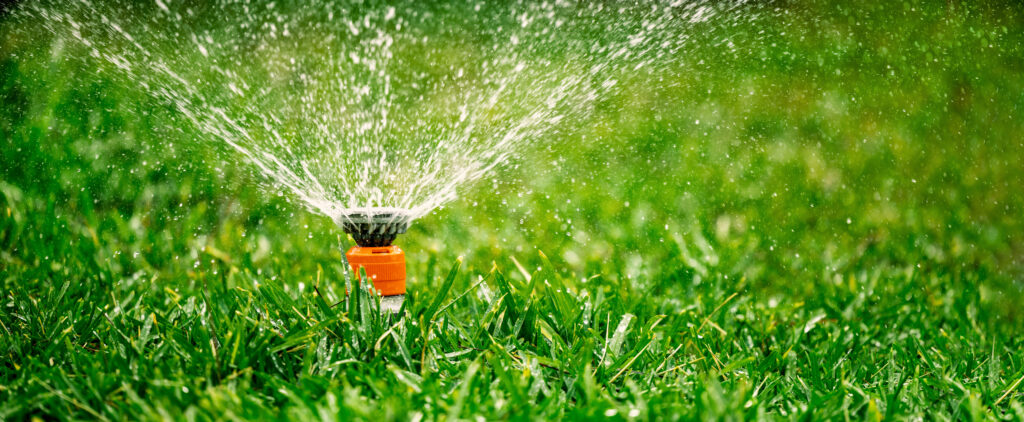
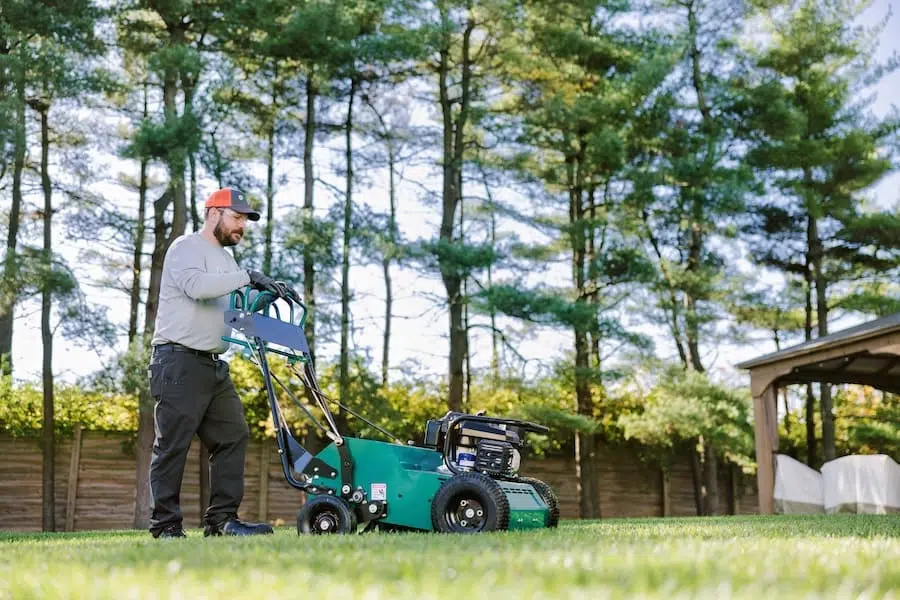
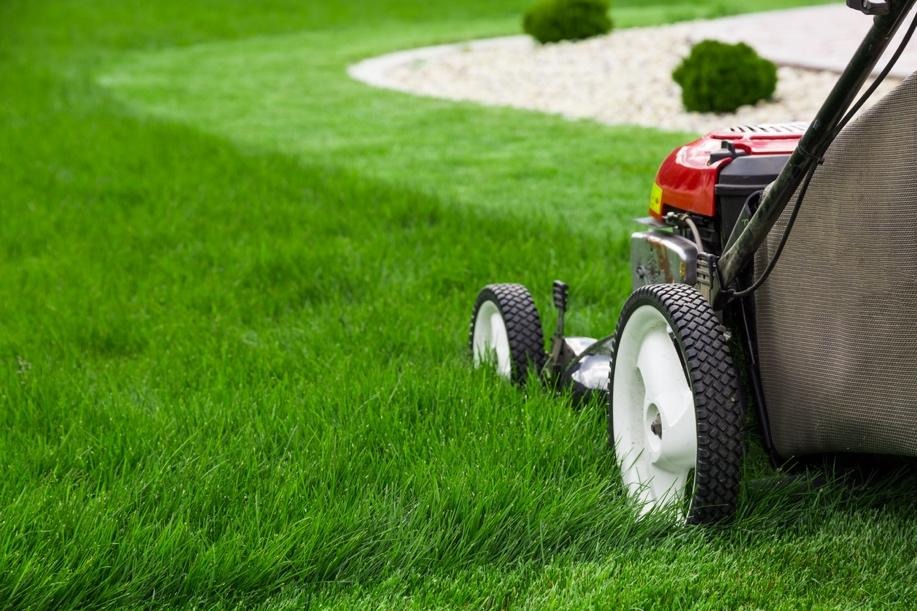
Winter is the easiest time to get equipment ready. Sharpen or replace the mower blade, change the oil, and clean the deck. Walk the sprinkler system on a dry day, look for broken or tilted heads, and check that the rain sensor still works. It is much easier to fix these things now than in the first hot week of May.
Put Fire Ants on the Calendar
Fire ants slow down in cold weather and come back strong as soil warms in spring. If mounds were a problem last year, plan a broadcast fire ant bait for spring, when the ants are foraging again, followed by treating any mounds that sit where people walk or play. Having the plan ready means you treat before the yard gets busy, not after someone gets stung.
Look Up at the Trees
With leaves down on many hardwoods, winter is a good time to see how much shade your trees are really casting and whether any limbs are dead or hanging over the roof. If the grass under your trees keeps thinning, ask a certified arborist about thinning the canopy to let in more light before the spring growing season.
Plan Repairs for the Right Season
If there are bare or dead areas, plan to fix them in late spring, once the soil has warmed and the grass is actively growing. That is also the right time for core aeration on compacted areas. Lining these up in winter means you are ready to act when the window opens, instead of patching in the wrong season.
Decide How Much You Want to Do Yourself
A plan also means being honest about time. Some homeowners enjoy handling every step. Others would rather hand off the timing and treatments and focus on mowing. Winter is a good time to decide, because the first applications of the year come early. In our VitaminLawn program, a soil test is included in the Elite plan, along with aeration, disease control, and fire ant prevention.
Common Mistakes
A few patterns show up every spring. Fertilizing in February because a warm week made the lawn look ready. Putting down pre-emergent after crabgrass has already sprouted. Guessing at fertilizer without a soil test. Discovering a broken sprinkler head in the first heat wave. And laying sod in winter that would have rooted far better in late spring.
What a Planned Spring Looks Like
Imagine this. It is late April. Your soil test came back in January, so you know exactly what the lawn needs. Pre-emergent went down in February before the crabgrass could sprout, the first feeding went on after green-up, the mower is sharp, and the sprinklers are aimed at the lawn instead of the driveway. While neighbors are just getting started, your lawn is already thick, green, and clean.
What to Do Next
This winter, send a soil sample to the Texas A&M AgriLife lab, map your problem spots, and plan for pre-emergent to go down before crabgrass sprouts in late winter. Hold off on fertilizer until after green-up, spot treat winter weeds on mild days, service the mower and sprinklers, and schedule repairs and aeration for late spring.
If you would rather have someone else handle the timing and treatments, we are here for that. Lawn Squad of Cypress & Tomball is coming in 2027 to serve homeowners across Cypress, Tomball, Hockley, Magnolia, Pinehurst, and northwest Houston. Visit lawnsquad.com to request a free quote. Our VitaminLawn program is built for the grass types, soils, and weather patterns we deal with here.
Here is what to expect. We will look at your grass type, how your lawn came through the fall, and any trouble spots, then explain what we would do this winter and what comes next in spring. If your lawn does not need a treatment right now, we will tell you that honestly.