How Short Should I Mow My Katy Lawn Going Into Winter?
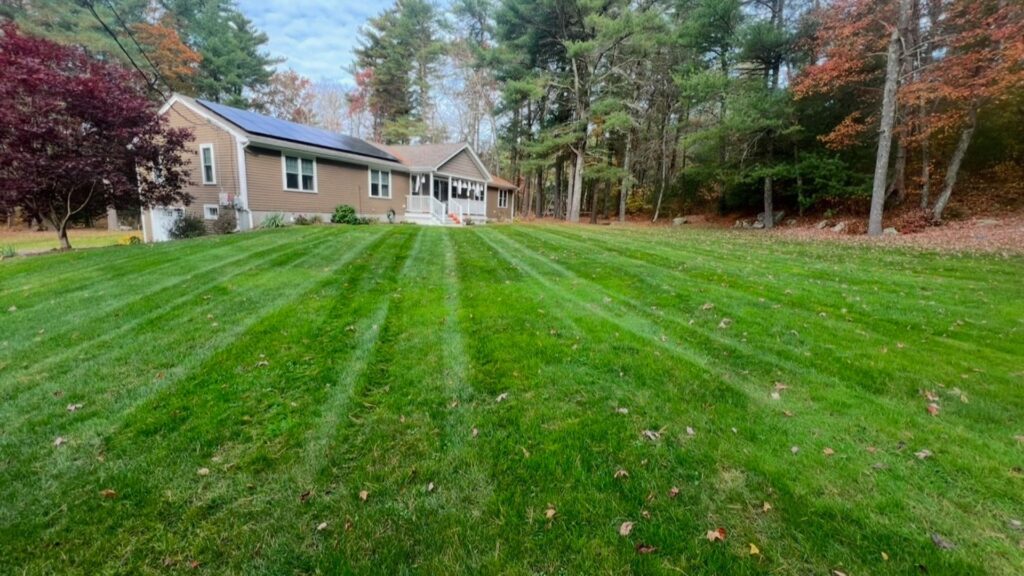
How Short Should I Mow My Katy Lawn Going Into Winter?
Short Answer: Not as short as most people think. In Katy, St. Augustine should stay around three to four inches tall all the way through winter, because that leaf canopy protects the runners from cold and keeps weeds shaded out. Bermuda and zoysia are kept lower, but none of them should be scalped before winter. Here is what we have found works best: keep your normal height, mow less often as growth slows, never take off more than a third of the blade at once, use a sharp blade, and stay off wet or frozen grass.
If you are reading this, you may be wondering whether to give the lawn one last short cut before winter, the way many people do up north. It feels like it should help. The grass looks neater, you mow less often until spring, and the yard looks ready for the holidays.
For most Katy lawns, a short winter cut does more harm than good. Warm-season grasses handle winter here by slowing down, not by being cut back. How you mow over the next few months has a real effect on how the lawn looks in April.
Why Height Matters More in Winter
St. Augustine spreads by runners that sit at or near the soil surface. The blades above them act like a blanket. On cold nights, that canopy holds a little warmth near the ground and shields the runners from frost. Taller grass also shades the soil, which makes it harder for winter weeds to sprout, and it keeps more leaf surface working to store energy for spring.
Cut that canopy off in late fall, and the runners are exposed right before the coldest part of the year.
The Right Height by Grass Type
Here is what we have found works best for the grasses we see around Katy. St. Augustine stays around three to four inches. Zoysia usually does best between one and two and a half inches, depending on the variety. Bermuda is typically kept around one to two inches, with some hybrid varieties lower. Whatever your grass, the winter height should match the height you used all fall.
Mow Less Often, Not Shorter
As days shorten and nights cool, warm-season grass grows more slowly. A lawn that needed mowing every week in September may only need it every two or three weeks by December, and in some stretches of winter it may barely grow at all. Let the grass tell you. Mow when it has grown enough to need it, not because it is Saturday.
The One-Third Rule
Never remove more than about a third of the blade in a single mowing. If the lawn got away from you during a rainy stretch, bring it down over two or three mowings rather than all at once. Cutting off too much at one time shocks the grass, exposes stems that are not used to sunlight, and leaves the lawn looking brown and thin for weeks.
Keep the Blade Sharp
A dull blade tears grass instead of cutting it. The torn tips turn white or brown, give the whole lawn a tired look, and open the door to disease, which is already a concern in cool, damp Katy falls. If the tips of your grass look shredded a day after mowing, it is time to sharpen. Many homeowners sharpen at least once a season, and more often with a lot of mowing.
Stay Off Wet Clay
Katy clay holds water after rain. Mowing a soggy lawn leaves ruts, compacts the soil, and smears clumps of wet clippings across the grass. If your shoes sink in or leave prints, give it another day or two. Compacted clay drains even more slowly, which sets up the disease problems that show up in fall and early spring.
Do Not Mow Frosted Grass
On a frosty morning, frozen blades break instead of bending. Mowing or even walking across them crushes the cells and leaves brown tracks that can last for weeks. Wait until the frost has melted and the grass has dried before you mow.
What to Do With Leaves and Clippings
Leaving clippings on the lawn is fine and returns nutrients to the soil, as long as they are not piling up in clumps. For leaves, a light layer can usually be mulched right into the lawn with the mower. A heavy layer that hides the grass should be bagged or raked, since it blocks light and holds moisture against the turf, especially in shady parts of the yard.
Mow Shady Areas a Little Higher
Grass growing under trees or on the north side of the house gets less light, and in winter the sun sits lower and those areas get even less. Keeping St. Augustine in shade at the top of its range, closer to four inches, gives each plant more leaf surface to work with. Shady areas also grow slower, so they often need mowing less than the sunny parts of the yard.
Watch the String Trimmer
A lot of scalping happens along edges, not in the middle of the lawn. A string trimmer held at an angle can shave St. Augustine down to bare runners along sidewalks, beds, and fence lines. Keep the trimmer level and at the same height as the mower. Those edges sit next to warm concrete and dry out faster, so they need all the help they can get going into winter.
What About Winter Weeds?
Mowing will not get rid of winter weeds, but it can keep some of them from flowering and dropping seed. If annual bluegrass or other weeds start sending up seed heads during a mild stretch, an occasional mow at your normal height helps. Real control comes from weed treatments, not from mowing lower.
Change Your Pattern
Mowing in the same direction every time can lean the grass one way and wear ruts in soft soil. Alternate your pattern from one mowing to the next. It helps the lawn stand up straighter and spreads out the wear, which matters more on wet winter clay.
Give the Mower Some Winter Care
The slow season is a good time to look after the mower. Clean the deck, sharpen or replace the blade, check the oil, and clean or replace the air filter. If the mower will sit for weeks, follow the manufacturer’s advice on fuel, whether that is a stabilizer or running the tank dry. A mower that starts easily in March makes the first spring mowings much simpler.
A Note on Spring
When warm weather returns, keep St. Augustine at its normal height. Bermuda lawns are sometimes mowed lower once at spring green-up to clear out dormant growth, but that is not a step for St. Augustine. Scalping St. Augustine in spring stresses it right when it is trying to wake up.
Common Mistakes
A few patterns show up every winter. Giving St. Augustine a buzz cut before Thanksgiving. Mowing on a weekly schedule when the grass has barely grown. Mowing soggy clay after a rain. Running over frosted grass first thing in the morning. And putting off sharpening the blade until spring.
What a Well Mowed Lawn Looks Like in Spring
Imagine this. It is early April. The lawns around you that were cut short in November are thin and patchy, with winter weeds pushing through. Yours is greening up from a full, even canopy, because it went through winter at three to four inches, mowed only when it needed it, with a sharp blade and no ruts in the soil.
What to Do Next
This winter, keep St. Augustine at three to four inches and Bermuda and zoysia at their usual heights. Mow less often as growth slows, never take off more than a third of the blade, keep the blade sharp, and stay off wet or frozen grass. Mulch light leaves, bag heavy ones, and give the mower a tune-up before spring.
If you would rather have someone else keep an eye on your lawn through winter, we are here for that. Lawn Squad of Katy is coming in 2027 to serve homeowners across Katy and the surrounding communities. Visit lawnsquad.com to request a free quote. Our VitaminLawn program is built for the grass types, soils, and weather patterns we deal with here.
Here is what to expect. We will look at your grass type, how your lawn came through the fall, and any trouble spots, then explain what we would do this winter and what comes next in spring. If your lawn does not need a treatment right now, we will tell you that honestly.