
What Does Fall Lawn Fertilization Cost in Myrtle Beach?
Short Answer: A single fall fertilization visit for a typical Myrtle Beach lawn generally runs between $55 and $120, priced from measured turf square footage rather than lot size. Full season programs commonly run five to seven visits and land between $350 and $700 annually for an average property. Centipede lawns should sit at the lower end of that range, because centipede needs substantially less nitrogen than Bermuda or St. Augustine and over feeding it causes real damage. Doing it yourself costs roughly $30 to $50 per application in product.
Price is what most homeowners want to know first and what most lawn care sites will not put on the page. We would rather give you the numbers directly. If they are outside your budget you have lost a few minutes, and if they work, you arrive at a conversation already knowing we are in the right range.
Here is how fall fertilization is priced along the Grand Strand, what pushes one quote above another, and where we see coastal homeowners spend money that does not improve a lawn.
Priced From Measured Turf
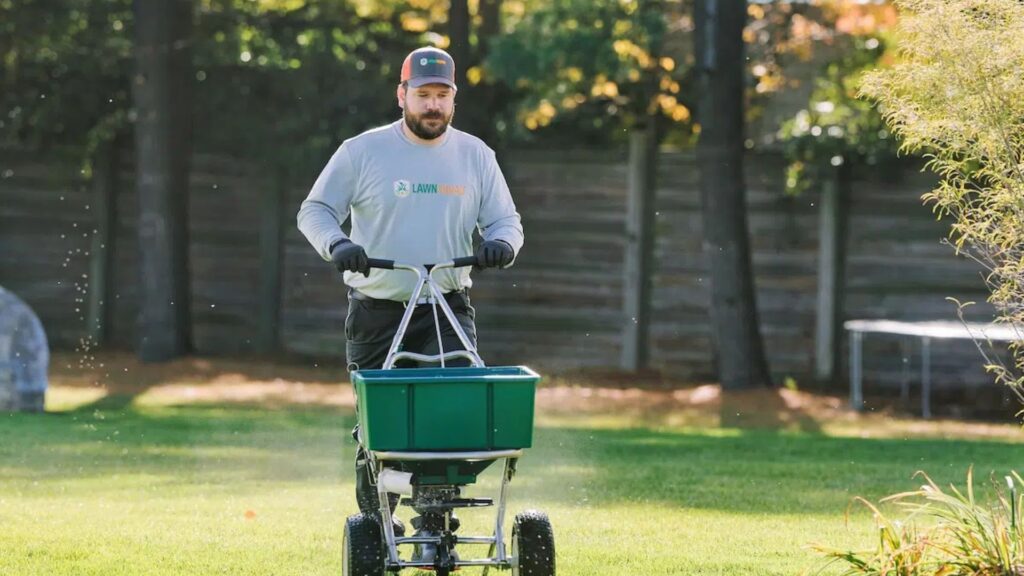
Fertilization is quoted per thousand square feet of actual grass, not by lot size and not by the hour. That matters here because our properties vary enormously. A patio home in a Carolina Forest community may carry a fraction of the turf of a similar sized lot out toward Socastee, and oceanfront properties often have far less grass than their lot size suggests once dune area and hardscape come out.
This is the first thing we would question in a quote. A company naming a price without measuring is either padding to protect itself or planning to apply light. Most homeowners we walk through this are surprised by the number, usually because driveways, structures, beds, and non turf areas subtract more than expected.
With your real figure, every quote becomes comparable on the same terms. Without it you are weighing one company’s guess against another’s.
The Ranges We See Here
For a typical Myrtle Beach lawn, a single application commonly falls between $55 and $120. Smaller lots and patio homes sit at the low end. Larger properties inland toward Conway and out along the highway corridors climb from there and are usually priced per thousand square feet.
Full season programs here generally run five to seven visits and land between $350 and $700 annually for an average property. Per application that is meaningfully less than buying visits one at a time.
The honest caveat is that bundling varies a great deal. Some programs include weed control, some include large patch prevention, some include insect management for mole crickets and chinch bugs. A $350 program and a $700 program are frequently not the same service at two prices, and comparing headline numbers alone will mislead you.
Centipede Should Cost You Less
This is the point we most want Grand Strand homeowners to take away, because it runs opposite to how lawn care is usually sold.
Centipede is very common here and it has dramatically lower nitrogen requirements than Bermuda or St. Augustine. It is sometimes called the lazy man’s grass for exactly that reason. Fed on a schedule designed for other warm season grasses, it develops centipede decline, where the lawn thins and dies back in irregular patches, often showing up the following spring.
So a program for a centipede lawn should involve fewer nitrogen applications and lower rates than a program for Bermuda, and it should cost less accordingly. If a company quotes you an identical schedule without asking what grass you have, that is a meaningful signal about how closely they are looking.
What a centipede lawn does often need is iron, since centipede prefers acidic soil and goes chlorotic when pH climbs, which happens readily where shell or limestone fill was used in construction. Iron is a different line item from nitrogen and a much better investment on those lawns.
What You Are Paying For Beyond Product
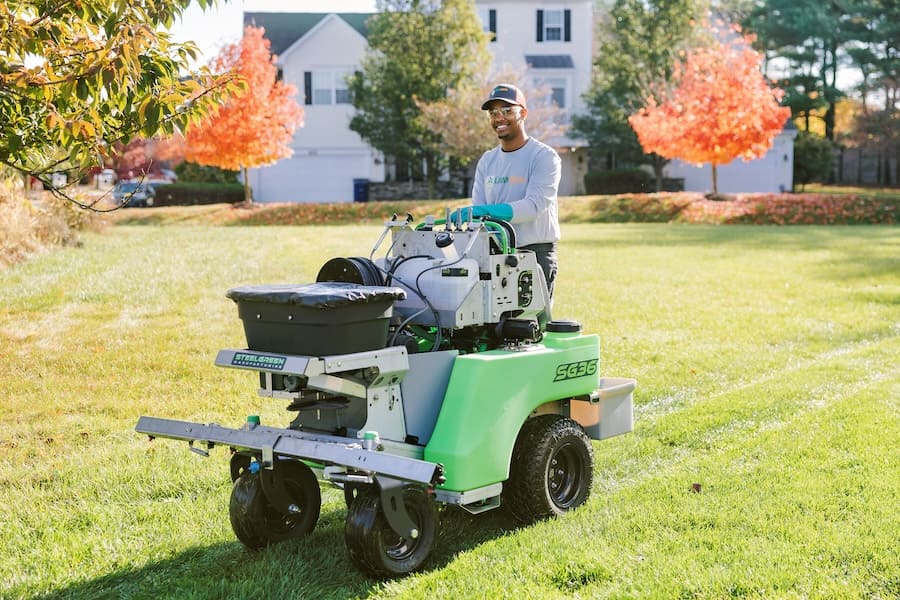
Fertilizer is a modest share of the cost. The rest is calibrated equipment, labor, routing, licensing, and the judgment to apply the right material at the right time for your specific grass.
In our climate that judgment carries real weight. Fall is the season when the wrong product does active harm rather than simply nothing, because late nitrogen on warm season grass feeds large patch, and our coastal humidity gives that disease a longer window than most inland markets deal with.
A good visit should also put eyes on the lawn. Large patch appears from October into December here. Mole crickets damage roots in sandy coastal soil and present as drought stress. Chinch bugs work St. Augustine in hot dry spots. Catching any of them early is often worth more than the application itself, so ask whether corrective treatment is included or billed separately.
Sandy Soil Affects the Visit Count
Worth understanding before you compare a coastal quote against something written for elsewhere. Our soils are predominantly sand, and sand has very little ability to hold nutrients.
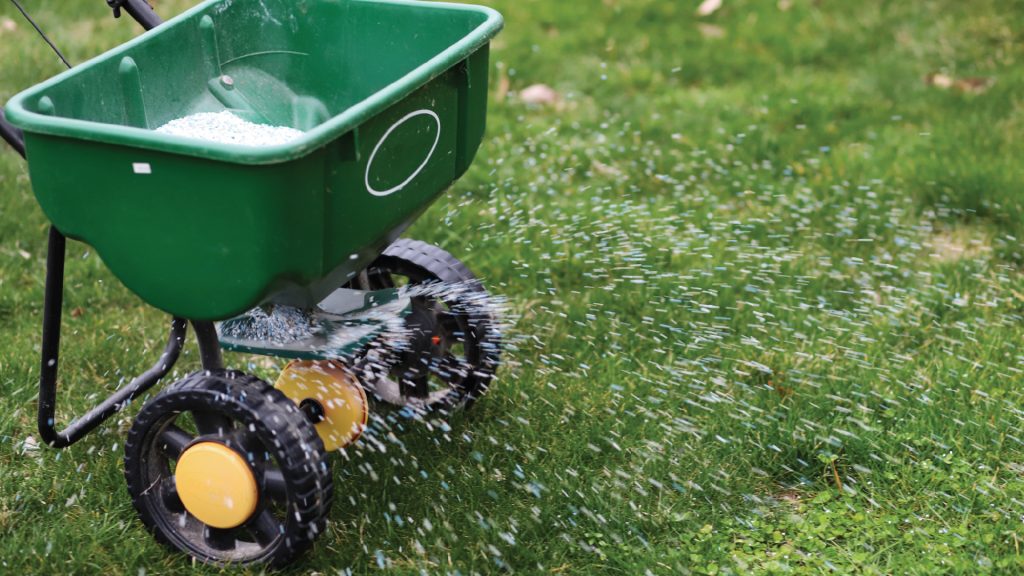
Nitrogen applied to sandy soil dissolves and moves downward with rain and irrigation, and a share passes below the root zone before the grass takes it up. Heavy infrequent applications are inefficient here. Lighter applications more often, using slow release nitrogen that dissolves gradually, keeps far more of what you buy working.
That is part of why programs in coastal markets carry more visits than a northern program would. The exception, again, is centipede, where more visits is the wrong answer regardless of soil, because the grass simply does not want that much nitrogen.
The Do It Yourself Numbers
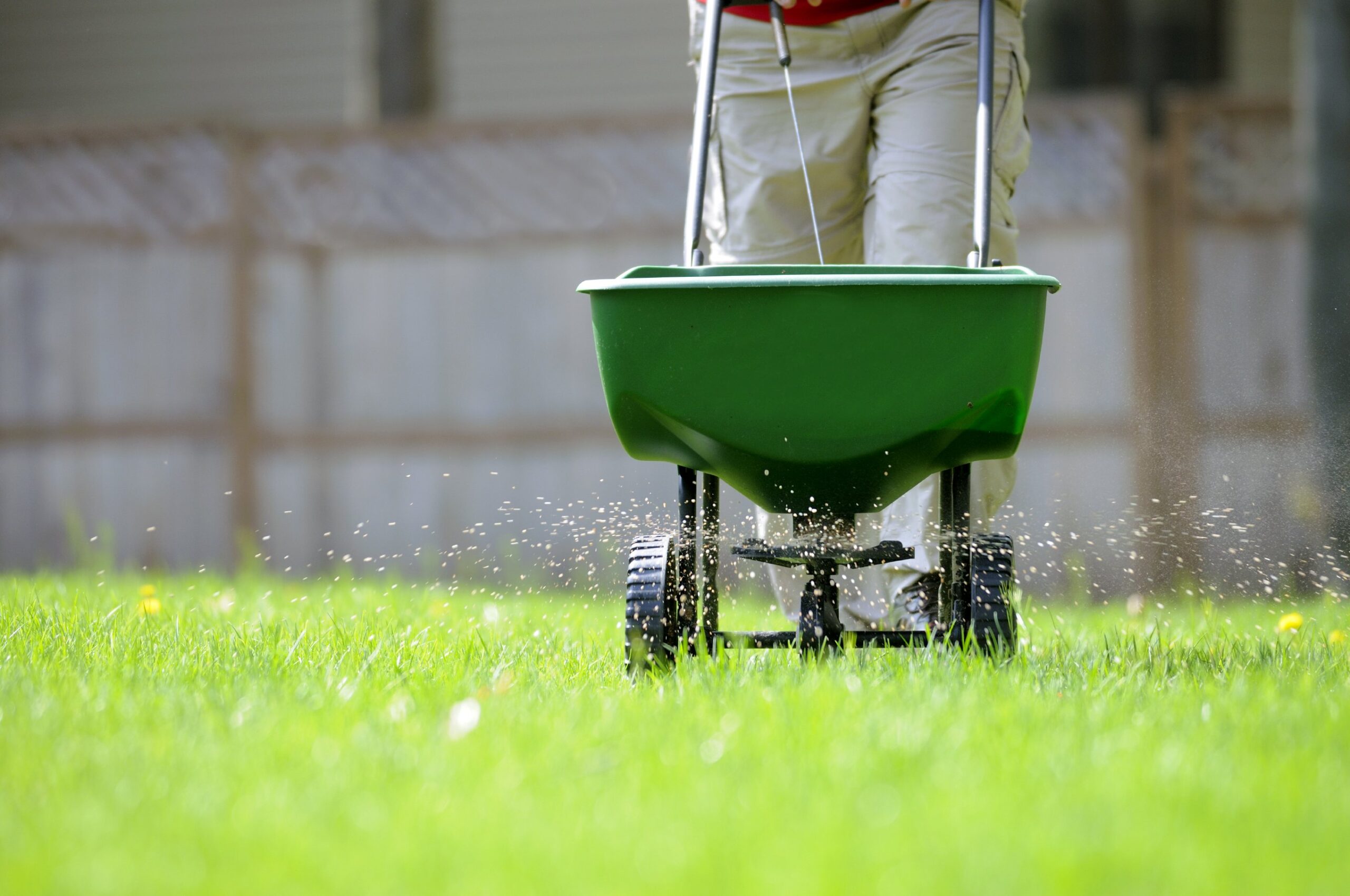
Fertilization is among the more approachable parts of lawn care to handle yourself. A quality bag covers roughly five thousand square feet and runs about $25 to $45, with slow release formulations at the higher end. For an average lawn here that is one to two bags per application, so roughly $30 to $50 in product.
Add a broadcast spreader, a one time purchase of $60 for a basic model or $150 and up for one that holds calibration. Add about forty five minutes per application plus a trip to buy product.
The dollar gap is real but narrower than most people assume. Where the DIY route slips is calibration and grass identification. Applying a Bermuda rate to a centipede lawn is the most costly mistake available here, and it is easy to make when the bag does not mention centipede at all.
Where the Money Gets Wasted
The most common waste in our market is over feeding centipede. The lawn thins, the homeowner reads that as needing more fertilizer, applies more, and accelerates the decline. That is money spent to make a lawn worse, and it is entirely avoidable with correct identification.
Second is buying a high nitrogen winterizer in November because a national article recommended it. On warm season grass heading toward frost, that feeds large patch and produces cold damaged tissue.
Third is fertilizing a lawn whose real problem is something else. Mole cricket damage in sandy soil looks exactly like drought or hunger. Pale centipede is usually short on iron rather than nitrogen. In both cases a diagnosis would have saved several applications.
What to Do Next
Identify your grass before you call anyone, since it changes both the schedule and the price. Centipede has a distinctive light apple green color and creeps slowly with stems that lie along the ground. St. Augustine has broad flat blades and thick runners. Bermuda is fine bladed and dense.
Measure your turf. Pace the perimeter of each grass area, multiply, and subtract beds, paving, and structures. That figure makes every quote comparable.
When you request pricing, ask four things. Is the price based on measured square footage. Does the schedule change based on my grass type. Is large patch prevention included or separate. Is iron part of the program. Those answers sort companies quickly here.
If you would rather have someone match the program to your actual grass rather than a generic schedule, we are here for that. Visit lawnsquad.com to find Lawn Squad of Myrtle Beach and request a free quote on your property. Our VitaminLawn program is built around the coastal grasses and sandy soils we actually work with here.