
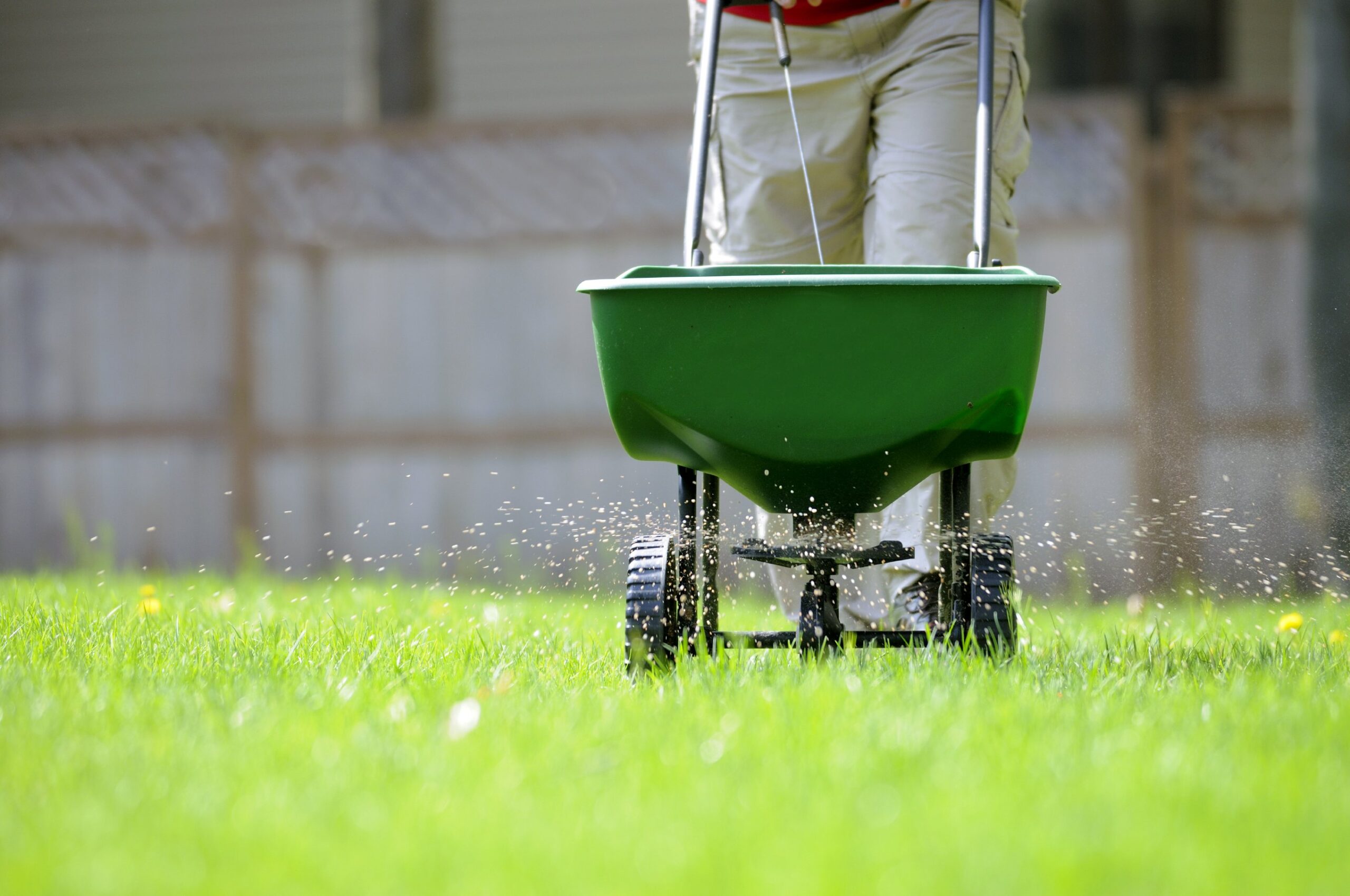
Why Your Fertilizer Disappears So Fast in Palm Beaches Sand
Short Answer: Palm Beaches sand has very little capacity to hold nutrients, so a heavy fertilizer application dissolves and moves below the root zone with rain and irrigation before the grass can use much of it. That is why lawns here surge green for two weeks and then fade. The fix is not more fertilizer, it is lighter applications more often using slow release nitrogen that dissolves gradually over six to eight weeks. Sand also holds almost no water, so irrigation practice matters as much as product choice. Building organic matter helps permanently, but it works over years rather than seasons.
If you have fed your lawn with a good product, watched it green up beautifully, and then watched that color drain away two or three weeks later, you have probably concluded the fertilizer was no good. In almost every case we investigate here, the product was fine. The soil is what defeated it.
Across The Palm Beaches, from the coastal ridge out through Wellington and the western communities, what we call soil is predominantly sand, with some muck and marl in pockets. Sand behaves in a way that changes nearly every fertilization decision, and understanding it turns a recurring frustration into a solvable problem.
Sand Cannot Grip Nutrients
Soil holds nutrients through a property soil scientists call cation exchange capacity, which is essentially the soil’s ability to grab nutrient ions and hold them where roots can reach. Clay and organic matter have high capacity. Sand has very little, because the particles are large, smooth, and chemically inactive by comparison.
The practical consequence is that nitrogen applied to sandy soil does not stay put. It dissolves, travels downward with water, and a meaningful share passes below the root zone. Grass roots reaching six or eight inches cannot retrieve nitrogen that has already moved to two feet. That fertilizer is gone, and it was not free.
Potassium leaches readily from sand as well, which matters more than people realize, since potassium supports stress tolerance and root strength. Phosphorus is more stable in soil, which is part of why Florida restricts it without a soil test showing need. Understanding this one property explains most of the difference between lawn care here and lawn care almost anywhere with real soil.
Why the Surge and Fade Happens
Here is the cycle most homeowners here describe to us, stated as a sequence. A heavy application goes down. It dissolves quickly and delivers far more nitrogen than the plant can use in the short window before water moves it along. The grass takes up what it can and produces a burst of growth and color. The rest leaches. Two or three weeks later the burst is over, the nitrogen is gone, and the lawn fades.
From the outside that looks like a product that stopped working. What actually happened is that the delivery never matched the soil. You bought a full application and received a couple of weeks of benefit from it.
The instinct at that point is to apply more next time, and on sand that makes things worse rather than better. A heavier dose does not extend the window, it enlarges the share that leaches. The same total amount of nitrogen divided across more applications produces a steadier lawn for the same money.
Slow Release Is the Actual Fix
Fertilizer labels distinguish between quickly available nitrogen and slow release nitrogen, and on our soil that distinction matters more than the big number on the front of the bag.
Quick release nitrogen, generally urea or ammonium sulfate, dissolves the instant water reaches it and is fully available immediately. On clay soil that is fine, because the soil holds what the plant does not use right away. On sand it becomes a race between the roots and the water table, and the water frequently wins.
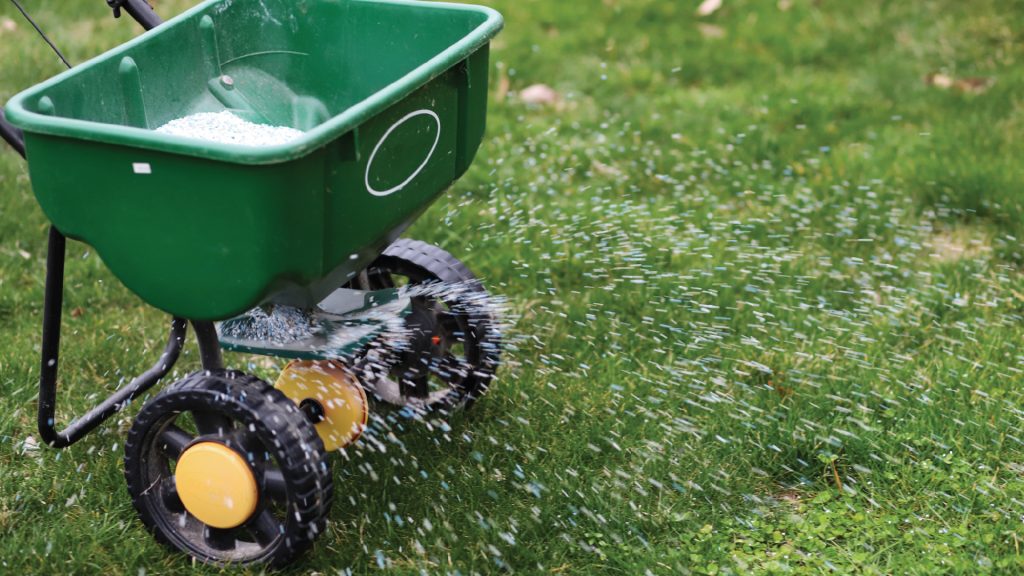
Slow release forms, including coated urea and methylene urea, dissolve gradually over six to eight weeks. The plant receives a steady supply, and far less leaches because less of it is dissolved at any given moment. Palm Beach County ordinances requiring a minimum slow release percentage exist for water quality reasons, and the agronomic benefit to your lawn is genuine and incidental.
Checking for it is simple. Turn the bag over and find the nitrogen breakdown in the guaranteed analysis. A product listing a substantial share as coated, controlled release, or slow release is the right tool here. A bag that is entirely urea is not, at least not for a base feeding.
Water Runs Through Just as Fast
The same physics that lets nutrients through lets water through, and now that the dry season is starting, this becomes the dominant factor.
Sandy soil drains quickly, which is genuinely useful during summer downpours but leaves almost no reserve moisture. Lawns here show drought stress within days of dry weather because there is nothing stored in the profile to draw on.
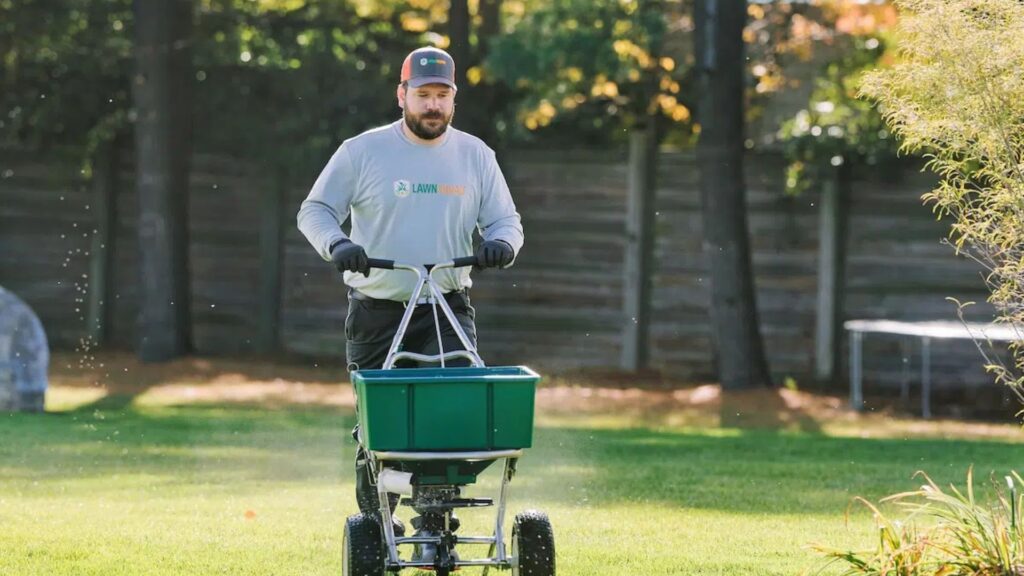
That produces two rules for fertilization. Granular product must be watered in within a day, because a prill sitting dry on the surface does nothing and can blow or wash away. And overwatering is expensive, because deep daily irrigation pushes your nitrogen straight down through the sand. Watering deeply but less often, generally about three quarters of an inch two or three times a week during active growth, encourages deeper roots and keeps more nutrient where it can be used.
A high water table in parts of our area compresses this further. Where groundwater sits close to the surface, the distance nutrients need to travel before they are unreachable is short, which is the water quality concern behind our local rules.
Organic Matter Is the Long Game
There is a durable fix, and we want to be honest that it is slow. Adding organic matter raises the soil’s capacity to hold both nutrients and water, and it is the only change that treats the cause rather than working around it.
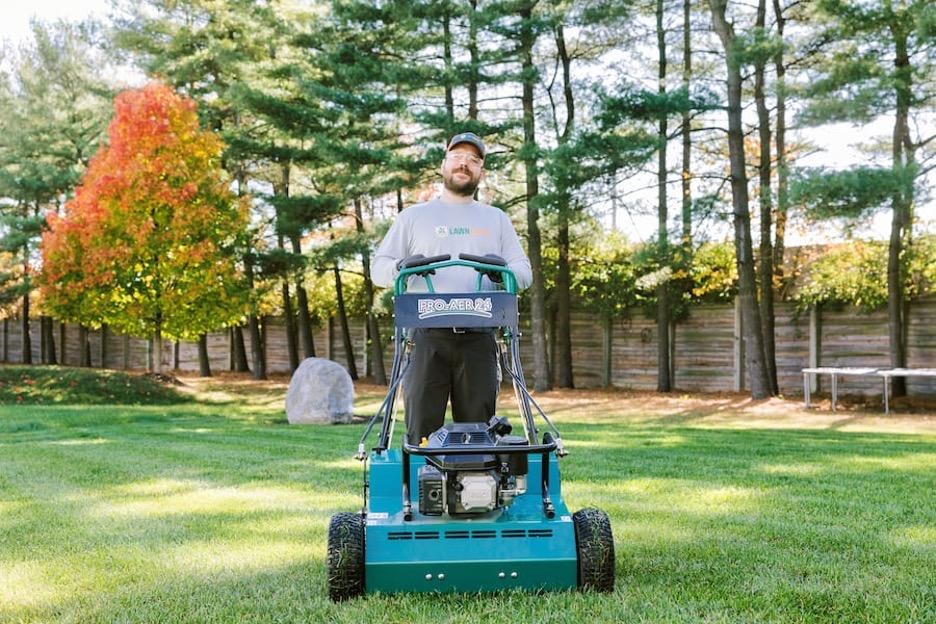
On an established lawn the realistic methods are topdressing with a thin layer of quality compost, returning clippings with a mulching mower rather than bagging them, and core aeration to help organic material work down into the profile. Each is modest alone. Done consistently across several years, they measurably change how a sandy lawn performs.
What we would steer you away from is expecting speed. Building meaningful organic matter in sand takes years, and any product promising to transform your soil in one application is overselling. The properties we manage with noticeably better soil got there through patience rather than a purchase.
What This Means for Right Now
The dry season starting is actually a favorable moment on sandy soil. Without daily downpours flushing the profile, more of what you apply stays available, so you get more value per dollar than you would in July.
A moderate application with slow release nitrogen, potassium, and micronutrients is what we would put down now, watered in deliberately since the afternoon storms are no longer doing that job. Potassium is worth including and worth repeating, because it leaches readily and supports the lawn through the dry months ahead.
What we would not do is chase a dramatic color response with a heavy rate. On a lawn that grows year round, repeated heavy nitrogen builds thatch, invites chinch bugs, and produces the surge and fade you were trying to escape.
What to Do Next
Find out what you actually have. Dig a small hole six inches deep in two or three places. If it is pale, gritty, and falls apart in your hand with no structure, that is sand and everything above applies directly. If it holds together and stains your fingers, you have more organic matter than typical and can space applications further apart.
Check the bag in your garage. Turn it over, find the nitrogen breakdown, and see how much is slow release. If the answer is none, that alone likely explains the fade you have been fighting, and switching products will do more for you than raising the rate.
Get a soil test. On sandy soil a test is unusually valuable because nutrient levels swing more than they do on heavier soil, and it reports pH at the same time, which matters where limestone or shell fill was used during construction.
If you would rather have someone match the product, rate, and schedule to your soil instead of working it out by trial and error, we are here for that. Visit lawnsquad.com to find Lawn Squad of The Palm Beaches and request a free quote. Our VitaminLawn program is built around the sandy soils, leaching, and year round growth we actually work with here.