Short Answer: Both granular and liquid treatments have real strengths, and the right choice depends on what is being applied, the condition of your soil, and the time of year. On our clay-heavy North Shore soils, liquid applications generally offer better penetration for quick-acting weed control and short-term nutrition, while granular works well for slow-release fertilization and when homeowners have irrigation to activate product. In a professional program we use both across a season. Below is the honest comparison with specifics for Wilmette, Glencoe, Lake Forest, and the rest of our service area.
You have probably seen the same question show up in every lawn care blog on the internet: granular or liquid? Most answers are unhelpful because they treat it like a binary choice. It is not. Both have a role on a healthy North Shore lawn, and the real question is which one, for what purpose, at what time of year.
Here is the practical breakdown.
What Granular Actually Does Well
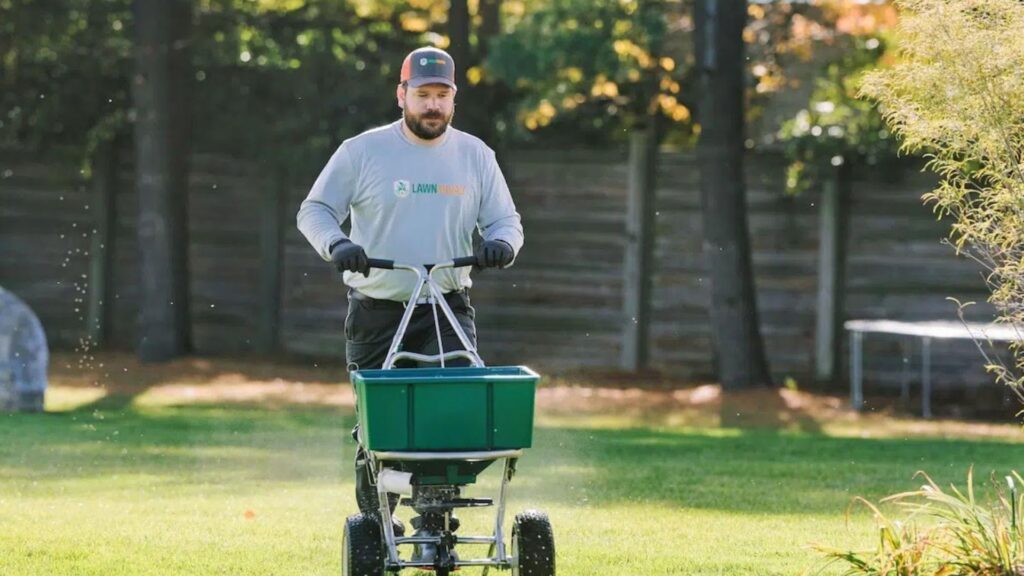
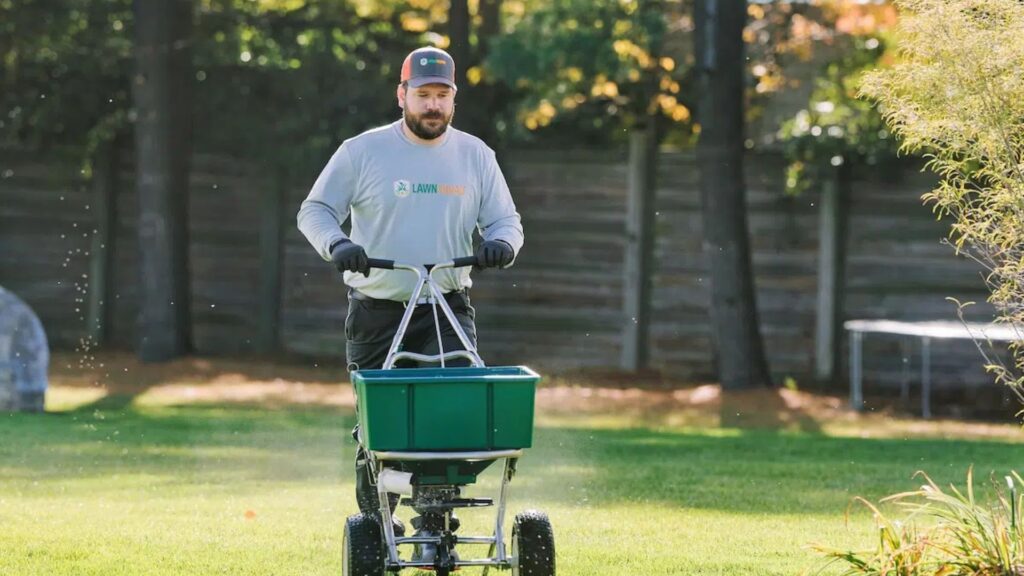
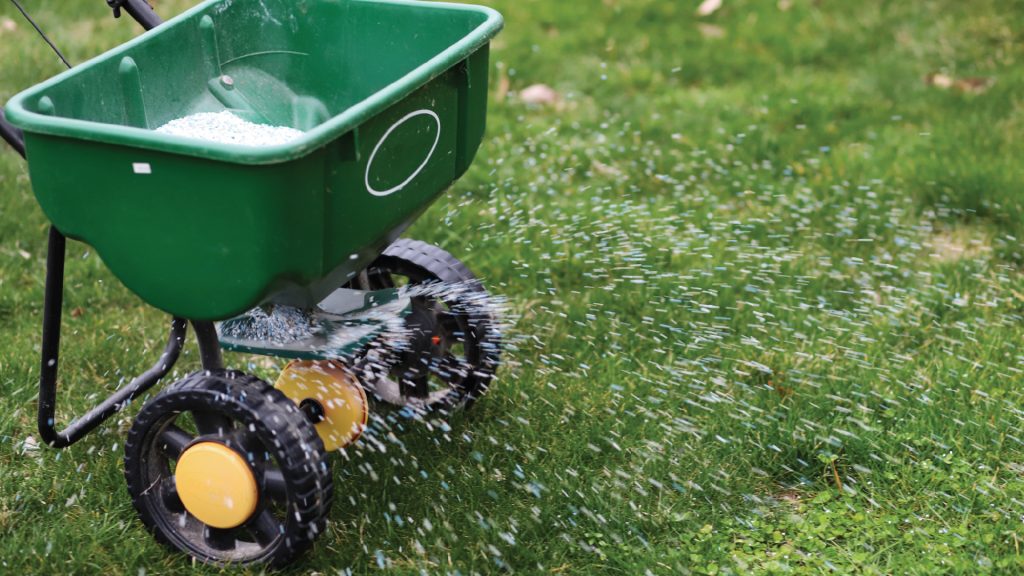
Granular products are solid prills or pellets, usually spread with a rotary or drop spreader. They work best when:
- You need slow-release nutrition. A polymer-coated or sulfur-coated nitrogen granule releases over 8 to 12 weeks, providing consistent feeding without growth surges.
- You have reliable irrigation. Granular needs to be watered in within 24 to 48 hours to activate. North Shore properties with in-ground irrigation handle this well.
- You are applying pre-emergent. Many pre-emergents (prodiamine, pendimethalin) are available in granular form and work very well when watered in.
- Coverage consistency matters. Calibrated spreaders deliver even coverage across large areas.
Where granular struggles: it sits on top of the canopy until watered in. On our clay soils, without irrigation or timely rain, granular can sit too long and lose nitrogen to volatilization.
What Liquid Actually Does Well
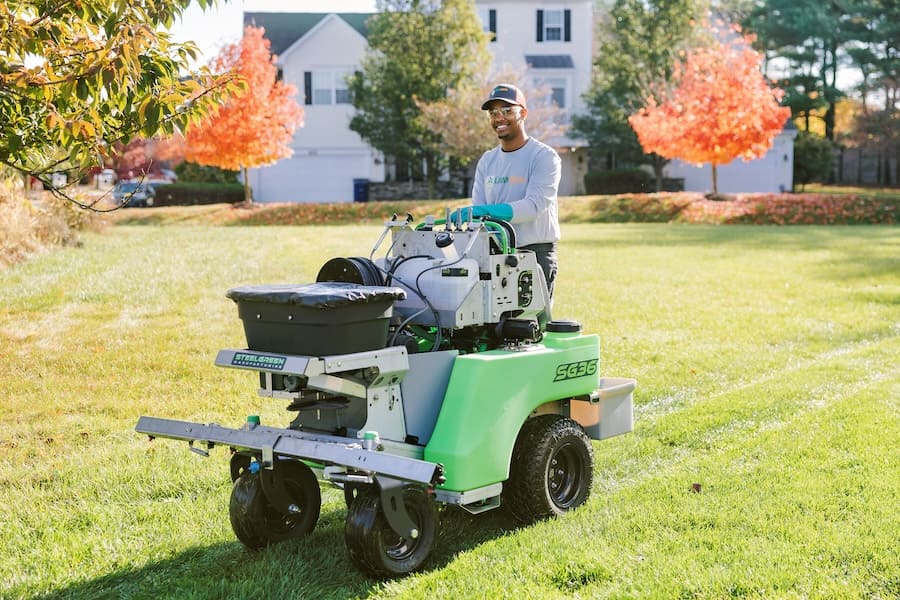
Liquid applications are made with a backpack sprayer, tank, or hose-end applicator. They work best when:
- You need fast response. Liquid iron greens a lawn up within 2 to 3 days. Granular iron may take 2 weeks.
- You are applying post-emergent weed control. Liquid 2,4-D, quinclorac, and similar products coat the weed leaf and absorb systemically. That is how you actually kill dandelions and clover.
- You need to penetrate clay. Properly applied liquid nutrition can move into the top inch of clay soil faster than granular that hasn’t been watered in.
- Uniform coverage is difficult with granular. Small yards, slopes, and irregular shapes often get better coverage with liquid.
Where liquid struggles: most liquid nutrients have a shorter residual than coated granulars. A liquid feed might give you 3 to 4 weeks of benefit. A good coated granular gives 8 to 12.
What Works Best on North Shore Clay Soils
Three realities shape our recommendations for the North Shore specifically:
- Clay soil penetration is slow. On lawns east of Green Bay Road, the top 2 inches of soil are often heavy clay. Granular fertilizer sitting on top may not reach the root zone for weeks without heavy watering. Liquid moves faster.
- Lakeshore moisture is variable. Properties within a half-mile of Lake Michigan get different rainfall patterns than inland Deerfield or Buffalo Grove. Timing granular applications to actual rain is harder.
- Irrigation is common but not universal. Many North Shore homes have in-ground irrigation, which favors granular. Older homes without irrigation lean liquid.
How We Actually Apply Across a North Shore Season
A typical VitaminLawn season uses both, matched to what each application is trying to do:
- April: granular pre-emergent with starter fertilizer (needs to be watered in for activation)
- Late May: liquid broadleaf weed control plus iron and nutrition boost for quick green-up
- June: granular grub preventative (watered in)
- July to August: liquid micronutrient and targeted spot weed control, modest granular slow-release
- September: granular fall fertilizer (the most important feeding of the year for cool-season grass)
- October to November: granular winterizer
Product form is a tool, not a philosophy. We match it to the job and the conditions.
What DIY Homeowners Miss
Two common DIY mistakes on the North Shore:
- Granular applied and left unwatered. Waiting two weeks for rain means most of the product loses efficacy. If you are doing granular, water it in within 48 hours.
- Liquid applied in wind or heat. Liquid product drifts in wind and evaporates in heat. We apply early morning or evening, and never when temperatures exceed 85 degrees or sustained wind is above 10 mph.
What to Do Next
If you want a program that uses both forms strategically across the year, built around your actual North Shore lawn, we are here.
Lawn Squad of Chicago’s North Shore serves Buffalo Grove, Deerfield, Fort Sheridan, Glencoe, Glenview, Highland Park, Highwood, Kenilworth, Lake Bluff, Lake Forest, Lake Zurich, Libertyville, Lincolnshire, Northbrook, Techny, Vernon Hills, Wilmette, and Winnetka.
Call us at 847-305-2765 or request a free quote at lawnsquad.com. Our VitaminLawn program uses both granular and liquid applications, matched to the right job at the right time.