The short answer: Keeping your Myrtle Beach lawn green all year takes a combination of proper fertilization, weed control, and pest management timed to our coastal South Carolina climate. Most lawns need between 6 and 14 treatments spread throughout the year to stay healthy and vibrant.
The exact approach depends on your lawn type and how much protection you want against weeds, insects, and disease.
Quick overview:
- Basic care: 6 treatments focusing on fertilizer and weed control
- Standard care: 8 treatments adding insect control and sedge suppression
- Premium care: 14 treatments with full disease control, aeration, and soil testing
Whether you handle lawn care yourself or hire a professional, understanding what your Myrtle Beach lawn needs each season will help you make smarter decisions. Let’s break down exactly what it takes to keep your grass green from January through December.

The Complete Lawn Care Approach: Our 8 Round Program System
At Lawn Squad of Myrtle Beach, we’ve developed lawn care programs specifically designed for the challenges homeowners face in Horry, Georgetown, and Williamsburg counties. Our approach uses multiple treatment rounds spread across the year because your lawn’s needs change with each season.
What makes this system work is timing. The sandy soils and humid conditions along the Grand Strand create a unique growing environment. Weeds that plague lawns in Conway won’t always be the same ones causing problems in Pawleys Island. Insects become active at different times. Disease pressure increases during our hot, muggy summers.
Whether you decide to tackle lawn care on your own or let us handle it, understanding the fundamentals of year-round treatment will help you get better results.
Why Year-Round Care Matters More Than Most Myrtle Beach Homeowners Realize
Many homeowners in the Myrtle Beach area think they can fertilize once in spring, spray weeds when they see them, and call it good. Unfortunately, this reactive approach usually leads to bigger problems down the road.
Here’s what can go wrong: Skipping pre-emergent treatments in late winter means crabgrass seeds germinate before you even notice them. By the time you see crabgrass in May, it’s already established and much harder to control. The same goes for nutsedge, which can take over large sections of your lawn during our humid summers if you don’t stay ahead of it.
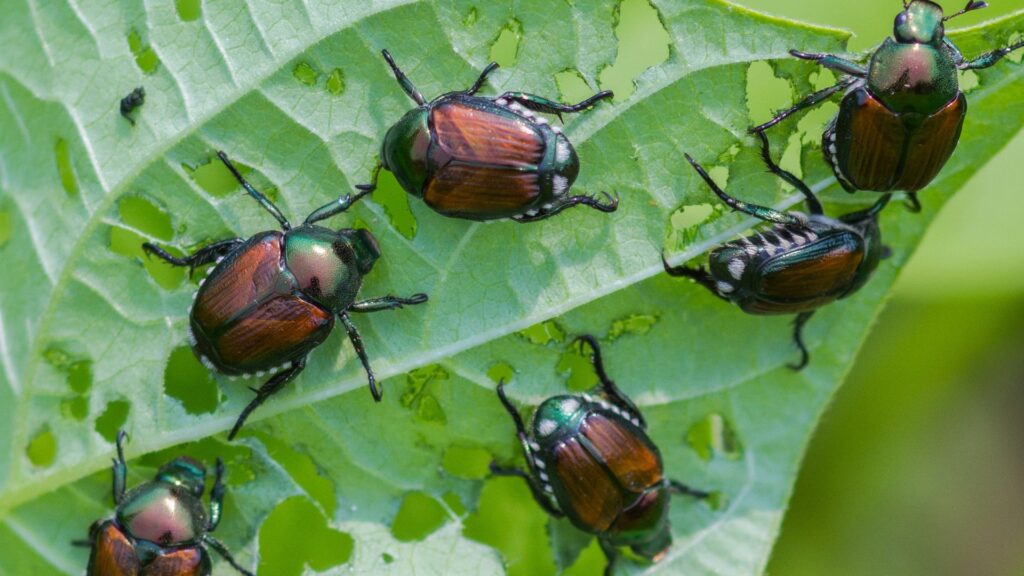
Insect damage is another concern. Fire ants and mole crickets are common in the Myrtle Beach area. Fire ants create unsightly mounds and painful stings. Mole crickets tunnel through your soil and destroy grass roots from below. By the time you notice the damage, it’s often too late to save affected areas.
The key principle is this: prevention costs less than cure. Treating problems before they start is always easier and cheaper than trying to fix damage after it happens.
Our coastal South Carolina climate creates specific challenges that generic lawn care advice doesn’t address. The salt air, sandy soils, and extreme summer humidity in areas like North Myrtle Beach, Little River, and Longs require a targeted approach.
DIY Lawn Care Guide for Myrtle Beach Homeowners
If you want to maintain your own lawn, you’ll need to follow a consistent schedule. Here’s what each phase of the year requires for Myrtle Beach area lawns.
Phase 1: Late Winter Pre-Emergent (January through February)
This is the most important treatment of the year for weed prevention. Apply a pre-emergent herbicide before soil temperatures reach 55 degrees consistently.
What to use: A granular or liquid pre-emergent containing prodiamine or pendimethalin works well for Myrtle Beach lawns. Apply according to label rates based on your lawn’s square footage.
Why this matters: Pre-emergent creates a barrier in the top layer of soil that prevents weed seeds from germinating. Once weeds break through the soil surface, pre-emergent won’t help. Timing is everything.
If you skip this step or apply too late, you’ll spend the rest of the year fighting crabgrass, goosegrass, and other annual weeds that could have been prevented.
Phase 2: Early Spring Growth (March through April)
As temperatures warm up, your lawn breaks dormancy and starts growing actively. This is the time to feed it.
Apply a balanced fertilizer to support new growth. Also apply a second pre-emergent application to extend your weed barrier through spring. Treat any broadleaf weeds like clover or dandelions with a post-emergent herbicide.
Surface insects become active during this period. Watch for signs of chinch bugs or sod webworms and treat if necessary.
Phase 3: Late Spring Insect Prevention (April through May)
Fire ants and mole crickets become a major concern for Myrtle Beach lawns during late spring. This is the time for preventive treatment.
Apply a grub preventive and fire ant or mole cricket prevention product. Continue fertilizing to support healthy growth. Treat any nutsedge that appears with a selective herbicide.
Why this matters: Waiting until you see fire ant mounds or mole cricket damage means the problem is already established. Preventive treatment costs less and works better.
Phase 4: Summer Stress Period (June through August)
Summer in Myrtle Beach brings heat, humidity, and disease pressure. Your lawn needs different care during this stressful period.
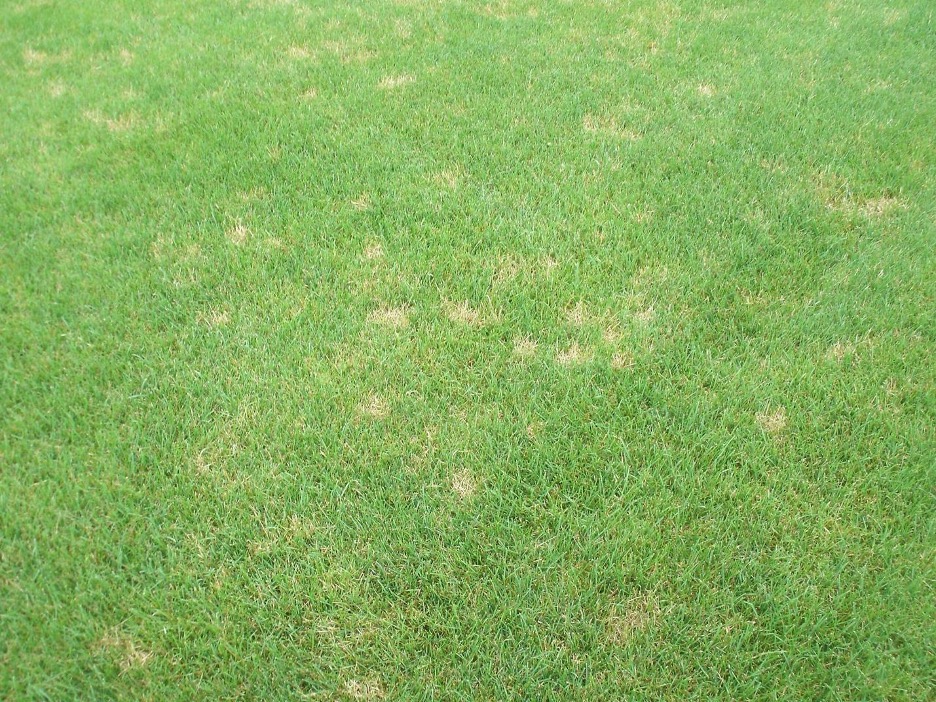
Continue insect control treatments. Apply fungicide if your lawn shows signs of disease like brown patch or dollar spot. Sedge control remains important through summer. Consider aeration to help water and nutrients reach grass roots.
Critical warning: Avoid heavy fertilization during the hottest months. Pushing growth when your lawn is already stressed can cause more harm than good. Use a root stimulant instead to strengthen the plant from below.
This is where many DIY lawn care programs fail. The Lawn Squad ELITE program includes disease control and aeration during summer rounds specifically because our Myrtle Beach climate demands it.
Phase 5: Fall Recovery (September through October)
Fall is recovery time for your lawn. Cooler temperatures and continued moisture help grass bounce back from summer stress.
Apply pre-emergent to prevent winter weeds. Continue fertilization to help your lawn store energy for winter. Maintain insect and disease control as needed. Fall aeration and overseeding (if your grass type allows) can thicken thin areas.
Phase 6: Late Fall and Winter Prep (November through December)
Finish the year with broadleaf weed control to knock out any winter weeds that slipped through. A final light fertilization helps your lawn stay green longer into winter.
Professional Lawn Care Guide for Myrtle Beach Properties
Professional lawn care follows the same basic principles but with better timing, commercial-grade products, and trained applicators who know how to adjust for conditions.
Round 1: Pre-Emergent and Soil Testing (January)
Professional programs start with pre-emergent application and often include a soil test to identify pH and nutrient deficiencies. Knowing your soil’s baseline helps customize the rest of the year’s treatments.
This is something most DIY programs skip. A soil test tells you whether you need lime or sulfur to adjust pH, which directly affects how well your lawn absorbs nutrients.
Round 2: Early Growth Support (March)
A second pre-emergent extends weed prevention. Fertilizer supports spring green-up. Surface insect control addresses early pest activity. Disease control prevents spring fungal problems.
Timing Consideration: Follow the 42-Day Interval
Professional programs typically space treatments about 42 days apart. This timing ensures products remain effective without overlapping or leaving gaps in coverage.
If you try to compress treatments or stretch them too far apart, you’ll either waste money or create windows where weeds and pests can establish.
Rounds 3 through 8: Consistent Protection
The remaining rounds follow a pattern of fertilization, weed control, insect management, and disease prevention timed to what your Myrtle Beach lawn needs each season.
Professional programs like Lawn Squad’s ELITE option include 14 separate treatments across 13 visits, covering everything from fire ant prevention to summer aeration to fall pre-emergent.
How to Calculate Your Lawn’s Square Footage
Knowing your lawn’s square footage helps you buy the right amount of product and understand service pricing.
Step by step process:
- Measure the length and width of your lawn area in feet
- Multiply length by width to get square footage
- Subtract areas like driveways, patios, and garden beds
For example, if your front yard measures 50 feet by 40 feet, that’s 2,000 square feet. If your backyard is 60 feet by 50 feet, that’s 3,000 square feet. Together, you have 5,000 square feet of lawn to treat.
Most Myrtle Beach properties fall between 5,000 and 15,000 square feet of treatable lawn area. Pricing for professional services typically increases with each 5,000 square foot increment.
What About Aeration and Overseeding?
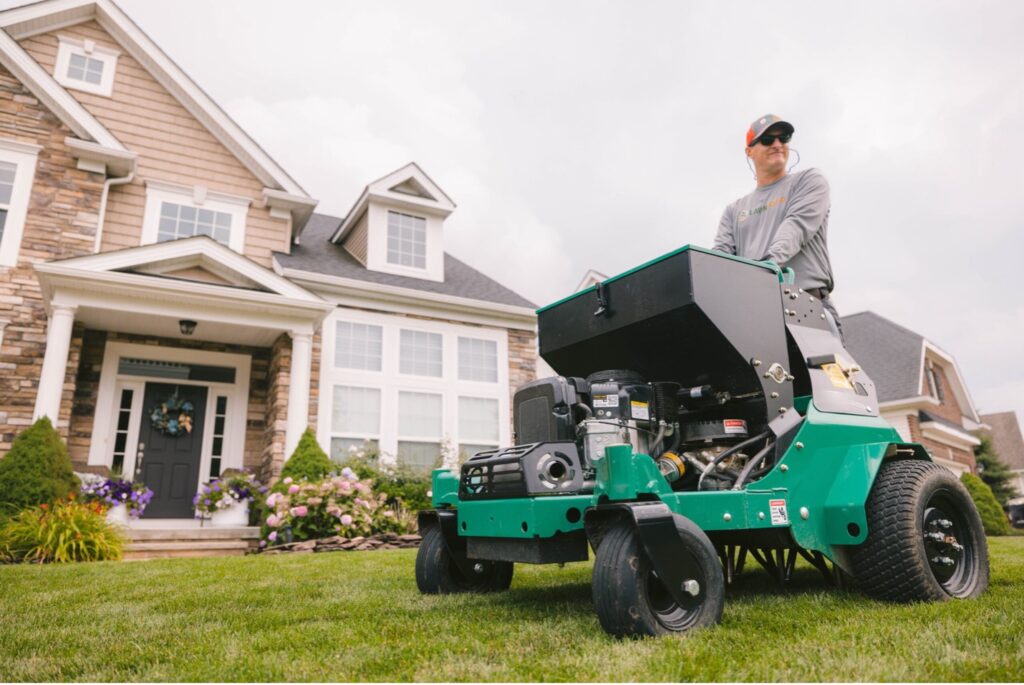
Aeration is one of the most beneficial services for Myrtle Beach lawns, yet many homeowners skip it entirely.
Aeration pulls small plugs of soil from your lawn, creating channels for air, water, and nutrients to reach grass roots. This is especially important in areas with compacted soil or heavy foot traffic.
Lawn Squad offers aeration as part of our ELITE program during summer rounds. We also offer standalone aeration services for customers on other programs or those who want extra treatments.
For best results, aeration should happen at least once per year. The ELITE program includes three aeration treatments (Rounds 4, 5, and 6) to maximize root development during the growing season.
Note: If you plan to overseed, you’ll need to skip pre-emergent applications before and after seeding. Pre-emergent prevents all seeds from germinating, including the grass seed you’re trying to establish.
Common Lawn Care Mistakes Myrtle Beach Homeowners Make
After years of treating lawns across Conway, Georgetown, Murrels Inlet, and throughout the Grand Strand, we’ve seen the same mistakes over and over.
Mistake #1: Waiting Until You See Problems By the time weeds are visible or insect damage appears, the problem is already established. Prevention always costs less than treatment.
Mistake #2: Mowing Too Short Cutting your grass too low stresses the plant and encourages weed growth. Most Myrtle Beach lawns should be mowed at 3 to 4 inches.
Mistake #3: Ignoring Soil pH Coastal South Carolina soils often run acidic. If your pH is off, your lawn can’t absorb nutrients properly no matter how much fertilizer you apply.
Mistake #4: Overwatering or Watering at the Wrong Time Watering in the evening leaves grass wet overnight, encouraging fungal disease. Water early in the morning instead.
Mistake #5: Using the Wrong Products Products designed for cool-season grasses won’t work correctly on warm-season lawns common to Myrtle Beach. Make sure you know your grass type before buying treatments.
DIY vs. Professional Lawn Care: Which Should You Choose?
DIY lawn care gives you complete control over timing and products. You’ll save money on labor costs but spend more time researching, shopping, and applying treatments. It works well for homeowners who enjoy yard work and have smaller properties. Best for: Homeowners with lawns under 5,000 square feet who enjoy outdoor work and have time to learn proper techniques.
Professional lawn care provides convenience, expertise, and access to commercial-grade products. You’ll pay more but get consistent results with less effort. Professionals can spot problems early and adjust treatments based on conditions. Best for: Busy homeowners, larger properties, or anyone who wants reliable results without the guesswork.
Your Myrtle Beach Lawn Care Calendar at a Glance
ELITE Program (14 Treatments)
| Round | Timing | What’s Included |
|---|---|---|
| Round 1 | January | Pre-emergent, weed control, soil test |
| Round 2 | March | Pre-emergent, fertilizer, weed control, insect and disease control |
| Round 3 | April | Fertilizer, weed control, insect control, fire ant and mole cricket prevention |
| Round 4 | May | Fertilizer, weed control, insect control, sedge suppression, disease control, aeration |
| Round 5 | July | Fertilizer, root stimulant, weed control, insect control, sedge suppression, aeration |
| Round 6 | August | Pre-emergent, fertilizer, weed control, insect control, sedge suppression, disease control, aeration |
| Round 7 | September | Pre-emergent, weed control, insect control, disease control |
| Round 8 | November | Broadleaf weed control |
ESSENTIAL Program (6 Treatments)
| Round | Timing | What’s Included |
|---|---|---|
| Round 1 | January | Pre-emergent, weed control |
| Round 2 | March | Pre-emergent, fertilizer, weed control |
| Round 3 | April | Fertilizer, weed control |
| Round 4 | May | Fertilizer, weed control |
| Round 6 | August | Pre-emergent, fertilizer, weed control |
| Round 8 | November | Broadleaf weed control |
The Bottom Line
Maintaining a green lawn year-round in Myrtle Beach requires consistent effort timed to our coastal South Carolina growing conditions. You can’t just fertilize once and expect great results.
Key principles to remember:
- Prevention beats treatment every time, especially for weeds and insects
- Timing matters more than the specific products you use
- Your lawn’s needs change with each season
- Soil health affects everything else you do
- Fire ants and mole crickets require proactive prevention, not reactive treatment
Follow these principles consistently, and you’ll have a lawn that stays green from January through December.
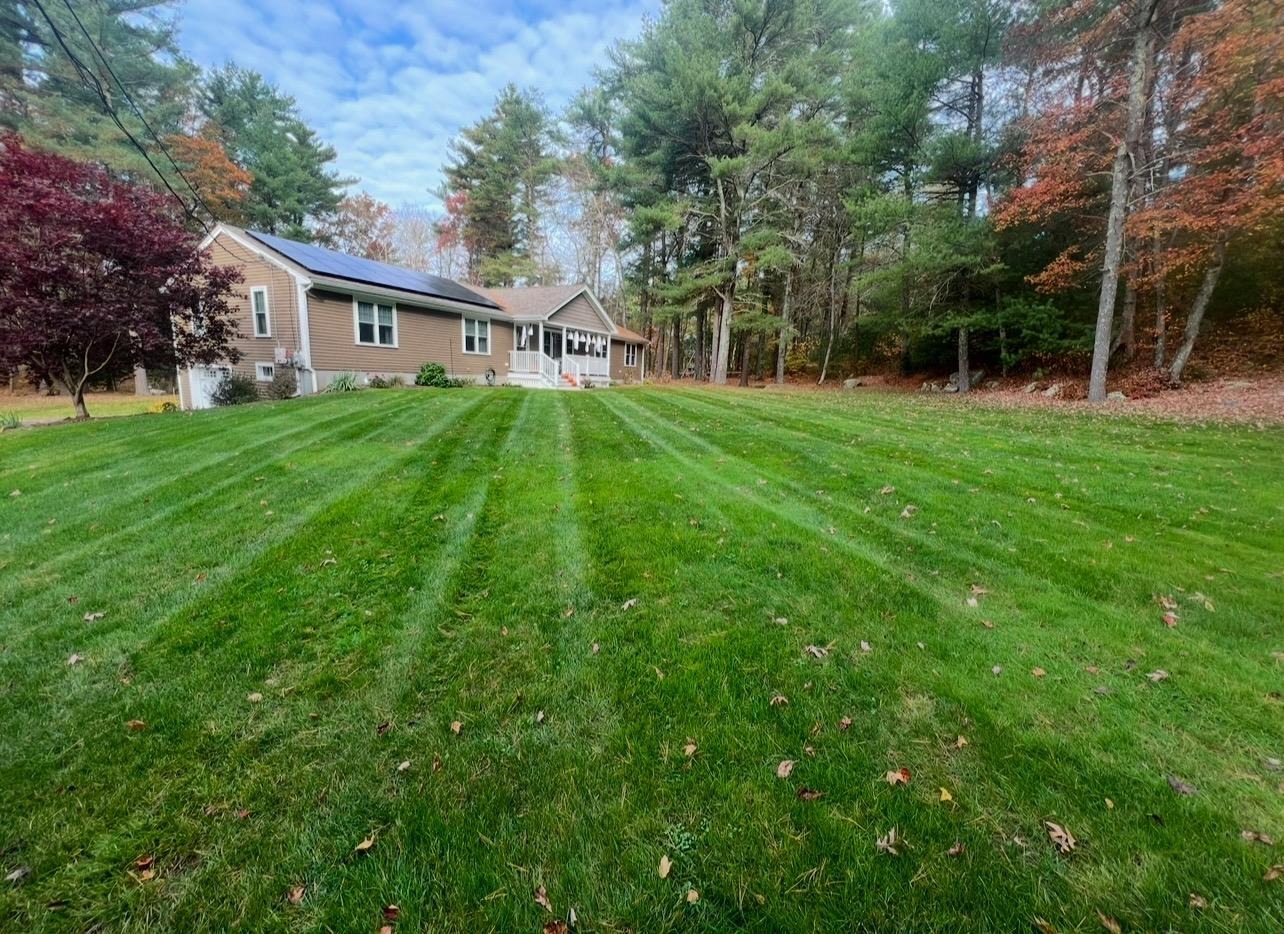
Let Lawn Squad Handle It For You
Every Myrtle Beach lawn is different. Soil conditions vary from Conway to Pawleys Island. Shade, irrigation, grass type, and existing pest pressure all affect what your specific property needs.
Lawn Squad’s programs account for these variables. We’ve been serving the Myrtle Beach area since 2001, treating lawns across Horry, Georgetown, and Williamsburg counties.
Our ELITE Program includes:
- 14 treatments across 8 rounds for complete protection
- Pre-emergent weed prevention (4 applications)
- Professional-grade fertilization (5 applications)
- Fire ant and mole cricket prevention
- Disease control throughout the growing season
- Summer aeration (3 treatments)
- Soil testing to customize your treatment plan
- Unlimited service calls if problems arise between visits
Tired of fighting weeds, dealing with brown patches, or wondering why your lawn doesn’t look as good as your neighbor’s? Let us take lawn care off your plate.
Contact Lawn Squad of Myrtle Beach today at (843) 896-0806 or visit lawnsquad.com/contact-us to get a free quote for your property.