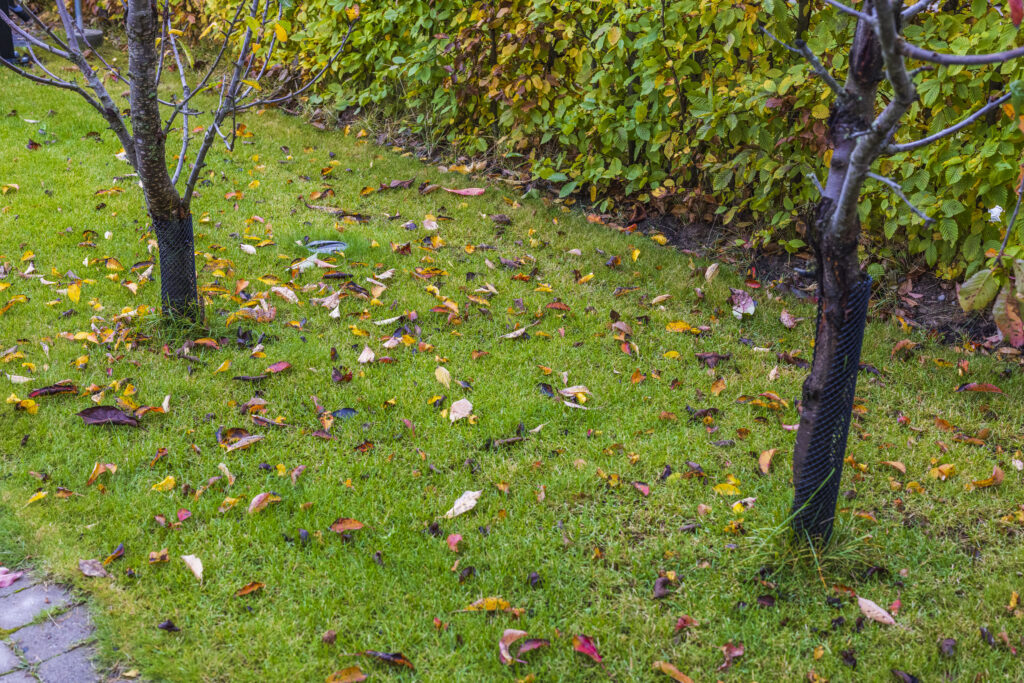

Picture this: You walk into your backyard after a long day, hoping to unwind in the lush green lawn you’ve worked so hard to nurture. Instead, you’re met with a patchy, browning landscape — and just beyond the fence, your neighbor’s flawless yard seems to mock you. Last week’s storm left behind soggy soil and muddy patches, and now your once-promising lawn feels more like a burden than a retreat. The frustration hits hard. Why can’t your yard look like theirs?
Across the Cincinnati suburbs, hidden lawn pests like grubs, chinch bugs, armyworms, and even moles are quietly destroying turf and confidence alike. These silent invaders leave grass wilted, thinning, and uneven, making even the most diligent homeowner feel defeated. But there’s good news — once you understand what’s attacking your lawn and how to stop it, you can take back control and restore your yard to the healthy, vibrant space it should be.

The Real Reasons Cincinnati Lawns Keep Falling Apart
Cincinnati’s neighborhoods may look picturesque from the curb, but the rolling terrain and dense clay-loam soil beneath our feet make lawn care far tougher than it seems. That heavy clay traps water, slows drainage, and leaves grass constantly stressed—creating ideal conditions for pests and disease to take hold. Add in our unpredictable weather—scorching heat, sudden downpours, and stretches of dry air—and it’s no surprise so many lawns struggle.
I’ve been there myself. One summer, my yard was overtaken by crabgrass and chinch bugs practically overnight. I tried every DIY fix I could find—organic sprays, vinegar mixes, you name it—but nothing made a dent. Like so many homeowners, I didn’t realize the real problem was happening below the surface.
Grubs thrive in our soil, laying eggs that turn into root-eating larvae. Chinch bugs spread fast, sucking the life out of your turf and leaving brittle yellow patches behind. Armyworms can destroy an entire lawn in a single night. And moles? Their tunnels create ridges and bumps that turn your yard into a lumpy mess.
It’s a familiar story throughout the Cincinnati suburbs—but once you understand what’s truly happening underground, you can finally take back control of your lawn.
Effective Solutions for Cincinnati & Northern KY Lawns
Now that we recognize the challenges, let’s discuss how to combat these pests effectively. Here’s a step-by-step approach to reclaiming your lawn:
- Assess the Damage: Walk your lawn and look for signs of pests. Brown patches? Check for grubs beneath the soil. Yellowing areas? Look for chinch bugs. This step is crucial for understanding the extent of the problem.
- Choose the Right Treatment: Once you’ve identified which pests are invading your lawn, you can select an appropriate treatment. For grubs, consider applying a nematode treatment in early spring or late summer. For chinch bugs, insecticidal soap can be effective, but timing is key—apply it when temperatures are below 90°F.
- Aerate and Seed: If your lawn has compacted areas, aeration helps improve drainage and allows treatments to penetrate the soil better. This is best done in the spring or early fall. After aerating, overseed with a drought-resistant grass variety to fill in bare patches.
- Fertilize Wisely: Apply a slow-release fertilizer that is suitable for our clay-loam soil. This will help strengthen your grass, making it more resilient against pests and diseases.
- Monitor and Adjust: Keep a close eye on your lawn’s recovery. Regularly check for signs of pests or new growth. Adjust your watering or fertilization schedule based on the weather—overwatering can lead to further issues.
By following these steps, you can turn your lawn from a patchy embarrassment into a source of pride. steps, you’re not just battling weeds; you’re building a resilient lawn that thrives in our Cincinnati climate.
Your Local Family’s Lawn Makeover
Let me tell you about the Parkers, my neighbors in Cincinnati. Last summer, their backyard was practically unrecognizable—patchy brown grass, mole tunnels everywhere, and a lawn that seemed more like a battlefield than a place for family fun. Hosting summer BBQs was stressful, and guests tiptoed around the yard, avoiding the mess.
Determined to fix it, the Parkers called in help. After a thorough assessment, we discovered that grubs were the main problem, quietly damaging the roots beneath the surface. Following a step-by-step plan tailored to their lawn, they began implementing proper aeration, targeted treatments, and watering adjustments.
Within just a few weeks, their lawn began to recover. Green shoots replaced the brown patches, and the mole damage became manageable. The Parkers finally felt proud to host backyard gatherings, and their transformation inspired other neighbors to take action—sparking a wave of lawn makeovers across the street.

Elevate Your Lawn Today
Don’t let rolling hills and crabgrass take over your yard. Call 513-715-6200 or ask about our VitaminLawn® Program today—it’s time your lawn fights back. With the right plan, we can turn your lawn from a constant headache into a lush, green oasis you’ll be proud to show off.