Imagine stepping into your backyard after a heavy rainstorm, your shoes sinking into the muddy clay-loam soil while you look around at your neighbors’ lush, green lawns. The contrast is stark—while their grass glimmers with vibrancy, your yard feels like a forgotten patch of earth. Frustration bubbles up as you feel the guilt of not being able to achieve that same level of pride in your outdoor space.
But the good news is that you don’t have to settle for mediocrity. The right grass type can transform your lawn into a paradise of green, even in the challenging climate of the Ohio River Valley.

Why Cincinnati Lawns Struggle
Cincinnati and Northern Kentucky feature rolling hills and clay-loam soil that can be a double-edged sword. While the scenery is gorgeous, the soil composition presents a unique challenge. Clay-loam retains moisture, leading to fungus and crabgrass that can quickly overtake your yard.
As one frustrated homeowner put it, “I tried everything from store-bought seeds to DIY fertilizers, but my lawn still looked like a patchy mess. It felt like I was fighting a losing battle.”
Many homeowners don’t realize that typical DIY methods often fail to address the underlying issues—compaction, poor drainage, and the unpredictable weather that swings from humid summers to cold winters. The truth is, without a deep understanding of local conditions, achieving a thriving lawn can feel like chasing a mirage.
Grass Types That Thrive in Cincinnati & Northern KY
Let’s dive into some practical, actionable strategies that are tailored for our unique local conditions. Now let’s dive into solutions tailored specifically to the climate of the Ohio River Valley. By understanding the unique characteristics of local grass types, you can take actionable steps to achieve a healthier, fuller lawn.
Step 1: Assess Your Lawn Conditions
Before you choose a grass type, take a moment to assess your lawn. Are there shaded areas, or do you have sunny spots? Is your lawn frequently trampled by kids and pets? Understanding these factors is crucial.
Step 2: Select the Right Grass
- Kentucky Bluegrass: This is the go-to for sunny areas. It thrives in cooler temperatures and creates a lush, dense lawn that’s visually stunning. Perfect for those sun-soaked patches in your yard!
- Tall Fescue: If your lawn sees a lot of foot traffic, Tall Fescue is the champion. Its strong root system allows it to withstand wear and tear, making it ideal for families with kids and pets.
- Perennial Ryegrass: Need a quick fix? This grass grows rapidly and is perfect for reseeding bare spots. It’s a great choice for patching up areas that have been worn down.
- Fine Fescue: Do you have shaded sections where grass struggles to grow? Fine Fescue flourishes in low-light conditions and doesn’t require much maintenance.
Step 3: Implement Seasonal Care
Once you’ve selected your grass type, it’s time to care for it according to the seasons:
Winter: Protect your lawn by avoiding heavy foot traffic. You may also want to consider applying a winter fertilizer for added protection against the cold.
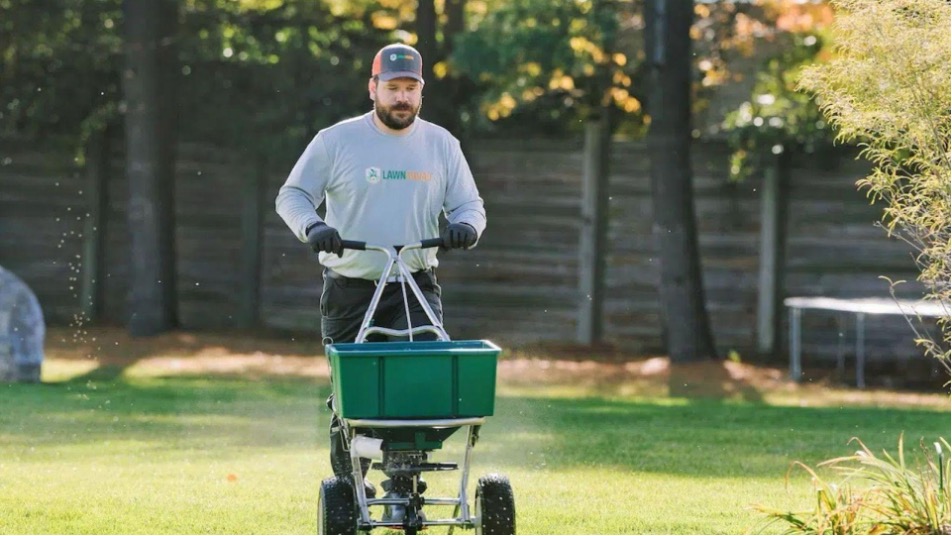
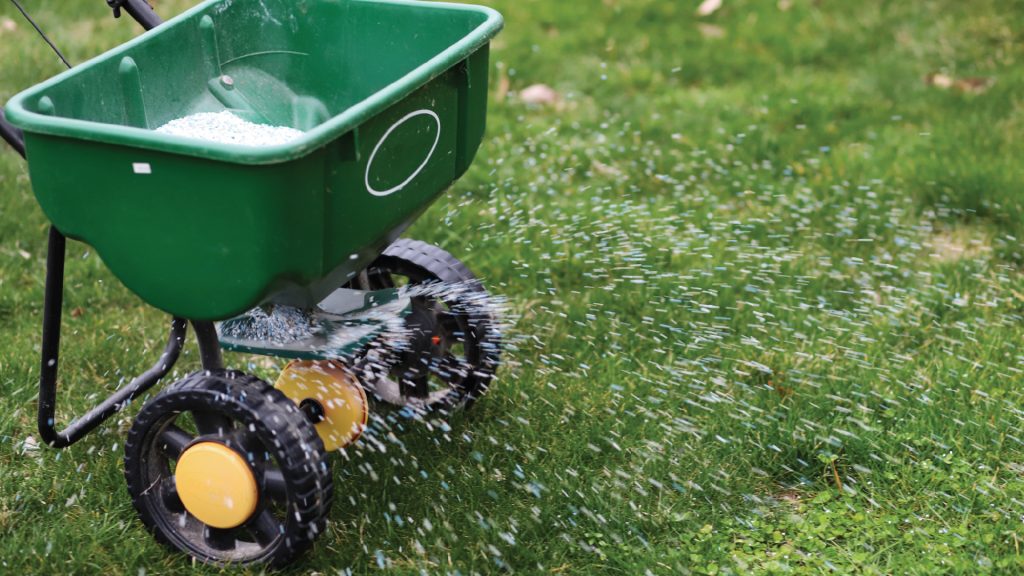
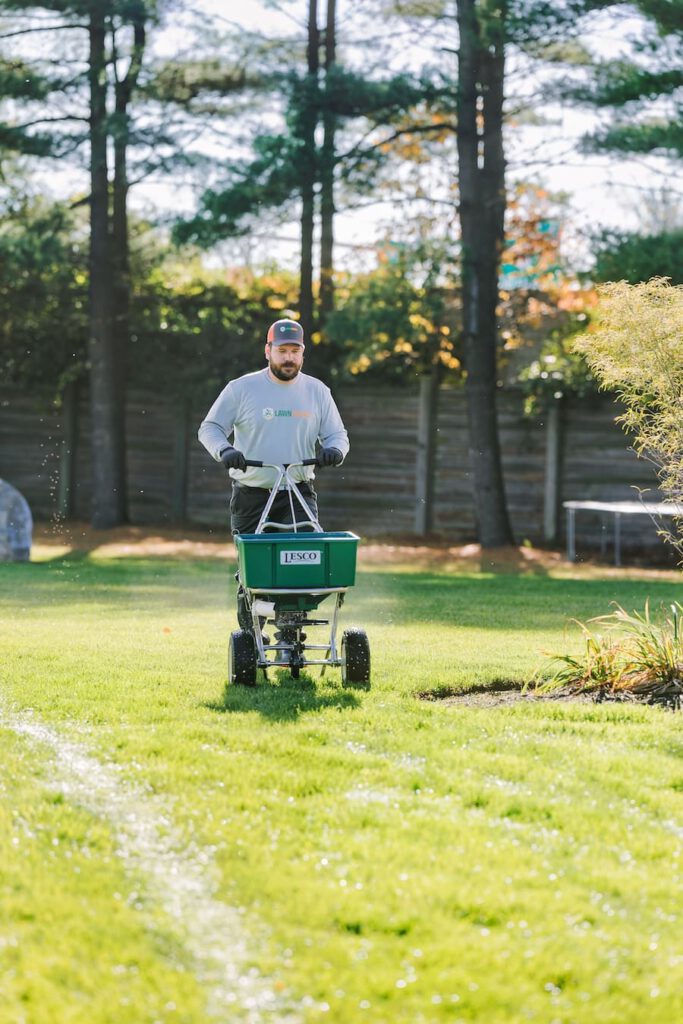
Spring: Prepare your soil by aerating compacted areas. This is crucial for clay-loam soils. After aeration, apply seasonal fertilizer and overseed with your chosen grass type.
Summer: Keep your lawn well-watered, especially in July and August. The heat can stress your grass, so deep watering is key.
Fall: This is the prime time for fertilization. Feed your lawn to help it recover from the summer and prepare for winter. Overseed if necessary.
Your Local Family’s Lawn Makeover
Meet the Harper family, who turned their worn-out lawn into a showpiece for their neighborhood. Weekends used to be a source of frustration as they stared at patchy grass while neighbors enjoyed summer barbecues on perfectly green yards.
Determined to fix it, they chose Kentucky Bluegrass for the sun-soaked areas and Tall Fescue for the spots where their kids ran and played the most. With professional guidance, they aerated the lawn in spring, applied fertilizer, and carefully overseeded.
A few months later, their efforts paid off. The once-bare patches were replaced by a lush, vibrant lawn. The Harpers now host summer cookouts with pride, and neighbors frequently stop by asking for tips to achieve the same remarkable results.

Your Seasonal Cincinnati & Northern KY Roadmap
To keep your lawn thriving, follow this month-by-month roadmap:
- March-April: Assess and aerate your lawn. Apply fertilizer and overseed.
- May-June: Water consistently; monitor for crabgrass and pests.
- July-August: Deep watering is crucial during the hottest months. Keep an eye out for signs of stress.
- September-October: Fertilize again and overseed if needed. Prepare for winter!
- November-December: Limit traffic on your lawn and consider a winter fertilizer application.
For a professional touch, consider Lawn Squad®’s VitaminLawn® Program, which is designed to meet the specific needs of lawns in Cincinnati and Northern KY.
Elevate Your Lawn Today
Don’t let uneven terrain and stubborn crabgrass take over your yard. Turn your lawn into the neighborhood showstopper! Call 513-715-6200 or ask about our VitaminLawn® Program today—your lush, vibrant lawn is just a call away!