Centipede Lawns: Why Less Fertilizer Is More in Myrtle Beach
Short Answer: Centipede is the one common lawn grass where feeding harder produces a worse lawn. It evolved on poor acidic soil and needs a fraction of the nitrogen Bermuda or St. Augustine wants. Pushed with a standard warm season program, it develops centipede decline, thinning and dying back in irregular patches that usually appear the following spring. It also prefers acidic soil and goes pale when pH climbs, which happens easily here given how much shell and limestone fill went into local construction. A pale centipede lawn almost always needs iron, not nitrogen.
If you have a centipede lawn along the Grand Strand that has been slowly thinning despite you feeding it more each year, this article is probably about your yard. Centipede is the exception to nearly everything homeowners are taught about lawn care, and the most common way it gets damaged is by someone trying hard to take care of it.
This is the grass we most often see mismanaged in our market, and almost never through neglect. Here is what centipede actually wants and why the standard advice works against it.
What Centipede Is
Centipede grass arrived in the United States from southern China in the early twentieth century and it took hold across the coastal Southeast because it thrives in exactly the conditions that defeat other grasses. Sandy, acidic, low fertility soil is its native habitat rather than a hardship.
You can identify it by color and habit. Centipede has a distinctive light apple green color, noticeably paler than Bermuda or St. Augustine even when perfectly healthy, and homeowners frequently mistake that natural color for a deficiency. It spreads slowly by above ground stolons, and the stems lying along the ground with short leaves branching off them are what gave it the centipede name.
It is sometimes called the lazy man’s grass, and that nickname is accurate in a way that matters. It grows slowly, needs less mowing, and wants very little from you. The problem is that homeowners who care about their lawns tend to give it a great deal anyway.
The Nitrogen Problem
Centipede needs a small fraction of the nitrogen that Bermuda wants. A Bermuda lawn in full sun here might take several applications a year to look its best. Centipede wants roughly one to two pounds of nitrogen per thousand square feet across the entire year, and many centipede lawns do fine at the lower end of that.
Run a standard warm season program on centipede and you are applying several times what the plant can use. In the short term it looks fine, sometimes better, because the extra nitrogen produces darker color and faster growth. That short term improvement is what convinces people the program is working.
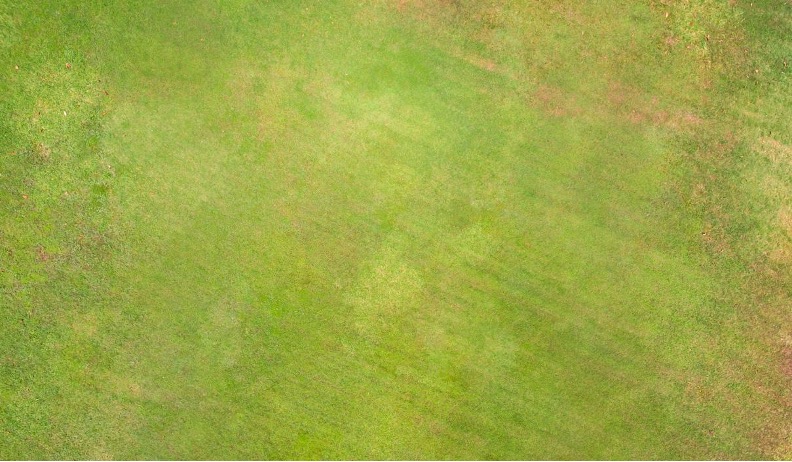
What follows is centipede decline. The lawn thins, then dies back in irregular patches, typically showing up the following spring when the grass fails to green up in areas that looked fine in October. Excess nitrogen drives growth the plant cannot sustain, depletes carbohydrate reserves, and leaves it far more vulnerable to cold injury and to disease.
The frustrating part of the cycle is what happens next. The homeowner sees a thinning lawn, concludes it needs feeding, and applies more. We see this pattern every year and it is the single most common way centipede lawns are lost here.
The pH Problem
Centipede prefers acidic soil, generally happiest somewhere in the fives, which is lower than most turf grasses want. That preference creates a specific vulnerability in our area.
A great deal of construction along the Grand Strand used shell or limestone fill, and coastal soils often carry shell fragments naturally. Both push soil pH upward. On a centipede lawn sitting at a pH above roughly 6.5, iron becomes chemically less available, and centipede goes chlorotic readily.
The result is a pale yellow lawn, and here is where the two problems collide. Pale looks like hunger, hunger looks like it calls for nitrogen, and nitrogen is the one thing that will genuinely harm the plant. A great many centipede decline cases start with a homeowner responding correctly to the wrong diagnosis.
The distinguishing sign is worth learning. Iron chlorosis produces yellowing between the veins of the blade while the veins stay green, and it appears on the newest growth first. It also tends to show while the lawn is still growing at a normal rate, whereas a genuinely nitrogen starved lawn grows slowly and thins.
What Centipede Actually Wants
Iron rather than nitrogen, in most cases. A foliar iron application greens a chlorotic centipede lawn within days and does nothing to push the growth that causes decline. On lawns with elevated pH this becomes a recurring seasonal item rather than a one time correction, because the soil chemistry has not changed.
Potassium is worthwhile, particularly heading into winter, since it supports cold tolerance without driving growth. Centipede is less cold hardy than Bermuda or zoysia, so at our latitude that is a genuine consideration in a hard winter.
Mowing height matters more than most people expect. Centipede should be cut relatively low, generally around an inch to an inch and a half, and it does not tolerate being scalped or being allowed to grow tall and then cut back hard. Consistency is worth more than precision.
And it wants to be left alone more than other grasses do. Restraint is an active management decision with centipede rather than an absence of one.
What Centipede Does Not Tolerate
A few things are worth knowing because they are common local practices that work against this grass.
Lime is the first. Homeowners across the Southeast apply lime by habit because acidic red clay is common regionally. On centipede that is frequently counterproductive, since the grass wants acidic conditions and raising pH is what triggers the chlorosis. Never lime a centipede lawn without a soil test showing it is genuinely needed.
Heavy phosphorus is the second. Centipede is unusually sensitive to excess phosphorus, which can interfere with iron uptake and worsen chlorosis. This is one more reason a soil test matters before applying a complete fertilizer.
Heavy traffic is the third. Centipede recovers slowly from wear because it grows slowly, so a backyard that hosts constant activity is a poor match for it. That is not a fertility problem and no program fixes it.
When Centipede Is the Wrong Grass
We would rather be honest about this than manage an uphill situation indefinitely. Centipede is an excellent choice for a low input, moderately used lawn on acidic sandy soil, which describes a lot of Grand Strand properties well.
It is a poor choice where soil pH is high and cannot practically be lowered, where the lawn takes heavy foot traffic, or where a homeowner genuinely wants a dark green, high input, manicured lawn. In that last case the mismatch is about expectations rather than soil, and no amount of program will resolve it.
If you find yourself fighting your centipede lawn every season, the productive conversation is often about whether it is the right grass for what you want, rather than about what to apply next.
What to Do Next
Confirm you have centipede. Light apple green color, slow creeping growth, and stems lying along the soil surface with short leaves branching off. If you are unsure, compare a runner against a photo, since the growth habit is quite distinctive once seen.
Get a soil test before applying anything else, and specifically before applying lime. On centipede the pH number matters more than on any other lawn grass here, and testing costs a fraction of one application.
If your lawn is pale, look at a blade closely and check whether the veins are still green. If they are, that is iron and nitrogen would be the wrong response. Tally up how much nitrogen you applied this year, and if it is more than about two pounds per thousand square feet, that alone may explain the thinning.
If you would rather have someone confirm the grass, test the soil, and build a program around what centipede actually needs, we are here for that. Visit lawnsquad.com to find Lawn Squad of Myrtle Beach and request a free evaluation. Our VitaminLawn program is built around the coastal grasses and soils we work with here, and with centipede that frequently means recommending less rather than more.