When Should You Stop Fertilizing Your Myrtle Beach Lawn This Fall?
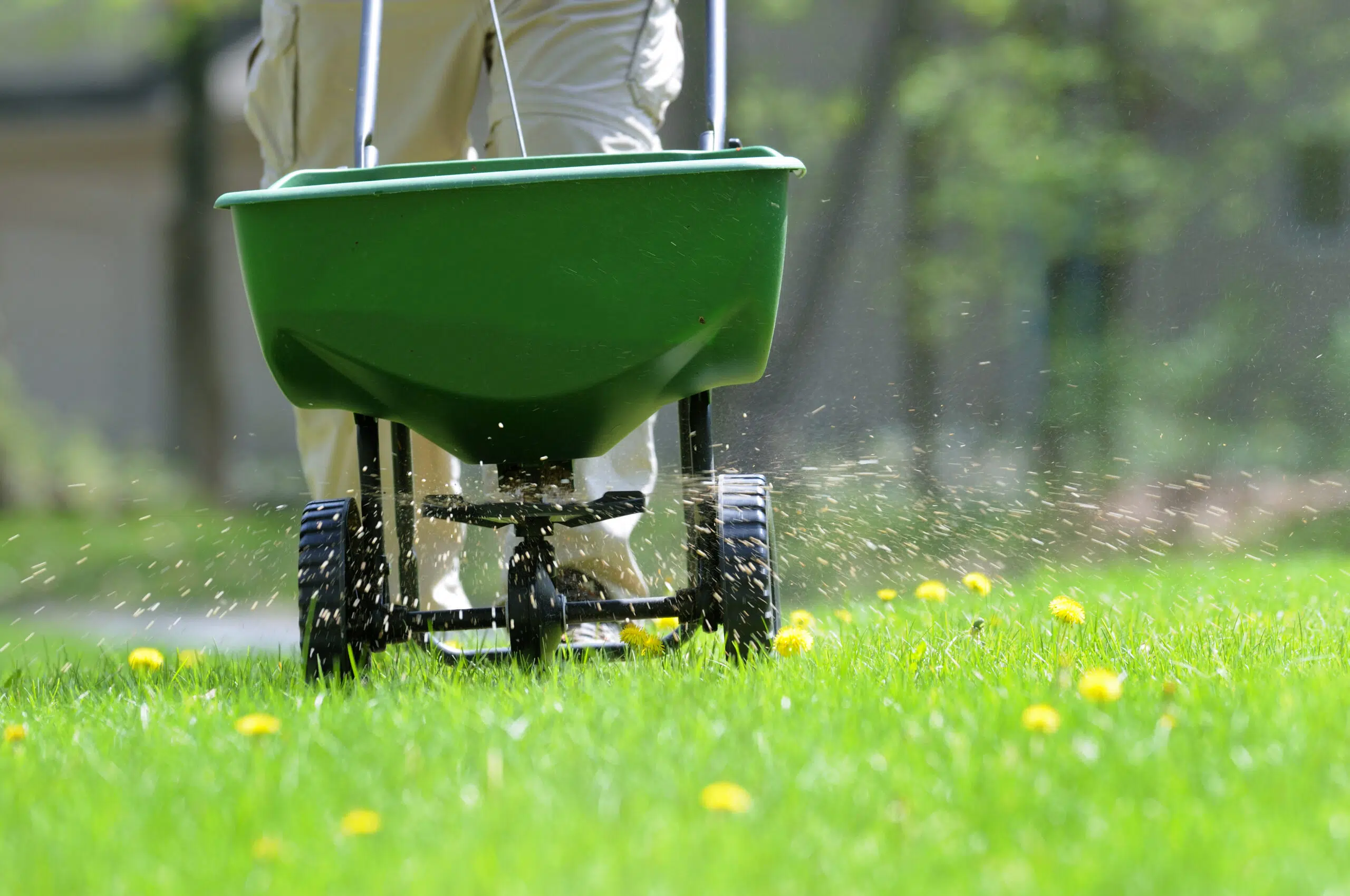
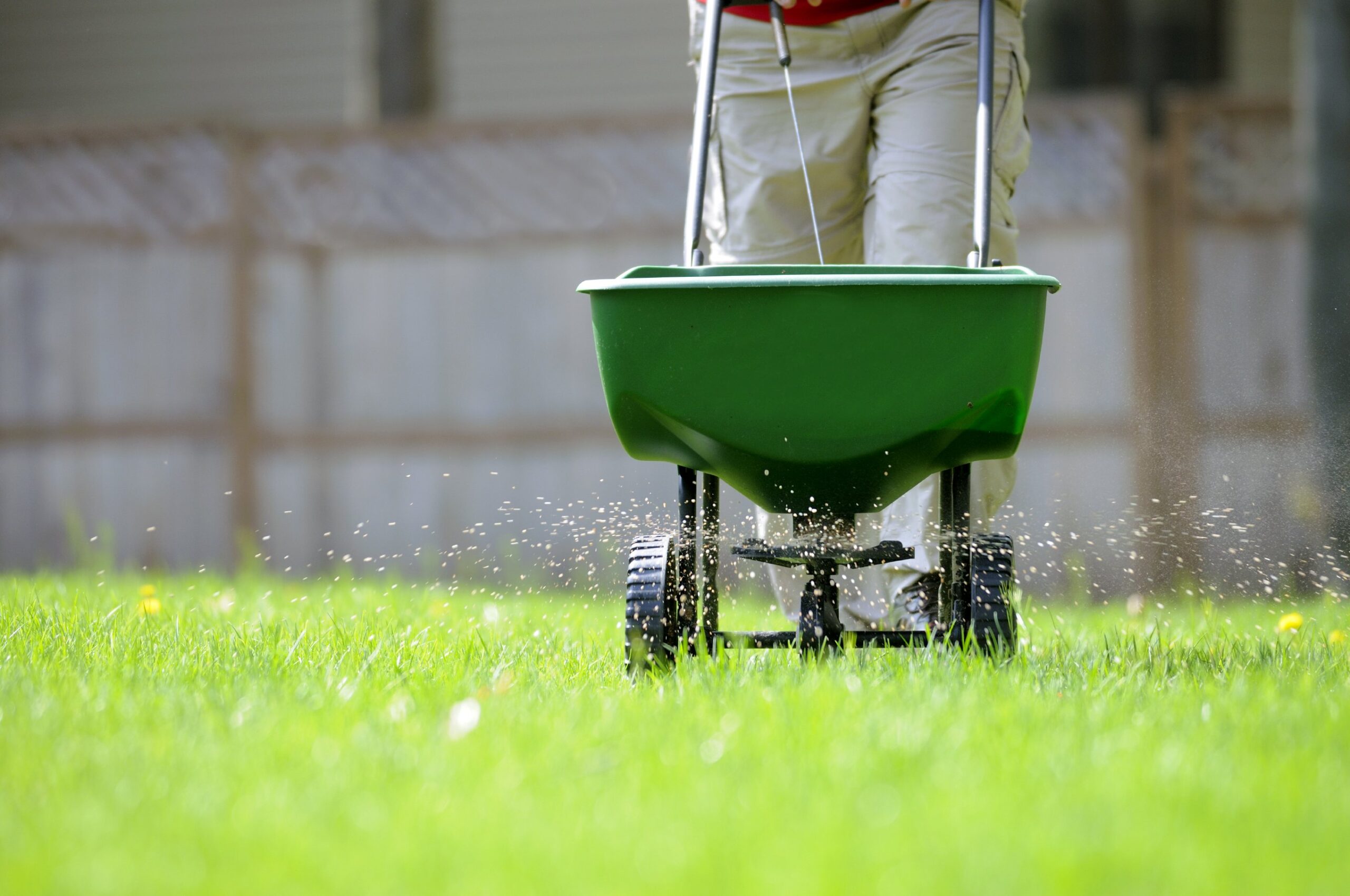
Short Answer: For most Myrtle Beach lawns, the last nitrogen application of the year should go down by roughly the end of September or the first week of October, several weeks ahead of our first frost. Warm season grasses are winding down, and nitrogen applied later produces tender growth that cold damages and that large patch disease feeds on. If you have centipede, which is very common along the Grand Strand, the window closed even earlier and the total amount of nitrogen it wants for the whole year is far lower than most homeowners assume.
If you are looking at a lawn that came through a hot humid summer and thinking it deserves one more feeding before winter, we would like to catch you first. The last application of the year is the least forgiving one you make in this climate, and along the coast the cost of getting it wrong shows up as disease rather than just wasted product.
Most homeowners we talk with from Carolina Forest through Murrells Inlet have read fall lawn advice written for cool season grass somewhere well north of here. Very little of it applies. Here is how the timing actually works on the Grand Strand.
Your Grass Is Shutting Down
Centipede, St. Augustine, Bermuda, and zoysia cover nearly every lawn in our area. All are warm season grasses. They grow hardest when soil is warm, peak through our long summer, and slow toward dormancy as nights cool. Cool season grasses do the opposite, hitting their strongest growth in fall, which is why national fall articles read the way they do.
Right now your lawn is transitioning. Growth slows, mowing frequency drops, and the plant begins moving carbohydrates out of leaf tissue and into stolons, rhizomes, and roots for winter storage. That is deliberate and healthy. The plant is packing away food to survive dormancy and fuel green up in spring.
Nitrogen interrupts it. Nitrogen tells a grass plant to make leaves, so a late application pulls the plant back toward top growth exactly when it should be storing reserves, and it produces soft tender tissue at the worst possible time.
Counting Back From First Frost
The working guideline for warm season turf is four to six weeks ahead of the first expected frost. Around Myrtle Beach that frost typically arrives in late November or early December, which would suggest a mid October cutoff.
In practice we push it earlier than that math implies, generally to the end of September or the first week of October, and the reason is disease rather than cold. Our humidity, heavy dew, and long warm autumns give large patch an unusually generous window here, and late nitrogen is the clearest thing that feeds it.
There is variation across the area worth knowing. Oceanfront and near beach properties hold warmth longer and frost later, sometimes considerably later. Inland toward Conway and up along the river, frost arrives earlier and harder. Low areas collect cold air regardless.
If you have not fed since late summer and you have Bermuda, St. Augustine, or zoysia, there may still be a narrow window right now. If you already fed in early October, you are finished with nitrogen for the year.
Large Patch Is the Real Risk Here
This is the part that turns a wasted application into an expensive one. Large patch, which many homeowners call brown patch, is a Rhizoctonia fungus that is extremely common on St. Augustine, centipede, and zoysia along the Carolina coast.
It becomes active in exactly what our fall delivers. Soil temperatures easing through the seventies into the sixties, cooler nights, heavy dew, and extended leaf wetness. Coastal humidity keeps blades wet for long stretches, and morning fog off the ocean extends that further than most inland areas ever experience.
Excess nitrogen is among its clearest triggers, because it produces the lush thin walled growth the fungus moves through easily and keeps the canopy humid longer. The sequence repeats every year. A homeowner feeds in late October chasing one more green push and has expanding circular patches of collapsed tan grass by late November. Those patches do not fill in over winter, because the grass is not growing enough to repair them.
Centipede Is a Different Animal
This deserves its own mention because centipede is so common here and because it behaves unlike anything else in the list.
Centipede has very low nitrogen requirements, dramatically lower than Bermuda or St. Augustine. Feeding it on a schedule designed for other warm season grasses causes a genuine problem called centipede decline, where the lawn thins and dies back in irregular patches, often the following spring. It is one of the few grasses where doing less produces a better lawn.
So for centipede, the practical answer to when you should stop fertilizing is usually earlier and with less than you think. The last nitrogen of the year should be well behind you by now, and the total annual amount is a fraction of what a Bermuda lawn wants.
Centipede also prefers acidic soil, generally happiest somewhere in the fives, and it is prone to iron chlorosis when pH climbs. Along the Grand Strand that happens readily, because shell and limestone fill were used in a great deal of construction here and both push pH upward. If your centipede lawn looks pale, the answer is far more likely to be iron than nitrogen, and reaching for a nitrogen bag is how homeowners accidentally start the decline cycle.
What Is Still Worth Applying
Stopping nitrogen does not mean stopping lawn care. Potassium is genuinely useful now and carries no disease risk. It supports cell wall strength and root development, which translates into better cold tolerance through dormancy and a cleaner green up in spring. Unlike nitrogen, it does not drive the soft growth that disease exploits.
That matters here more than people assume. The Grand Strand is mild, but we do get hard freezes, and thin or poorly drained areas are vulnerable. Potassium is one of the few levers available for reducing that risk.
Iron is the other worthwhile input, particularly on centipede and on lawns where shell or limestone fill pushed soil pH up during construction. It improves color without pushing growth, which is exactly the right combination late in the season.
Watering Through the Rest of Fall
Reduce it as growth slows. A lawn barely growing in November needs far less than one growing hard in July, and carrying a summer irrigation schedule into fall is a common mistake that directly feeds disease.
Time of day matters more here than almost anywhere, because our natural dew period is already long. Watering in the early morning, finishing shortly after sunrise, lets blades dry as the day warms. Evening watering stacks hours of leaf wetness on top of coastal humidity and fog, which is precisely what large patch needs.
Our sandy coastal soils drain quickly and hold little reserve moisture, so the instinct is to water often and lightly. Through fall, less frequent and better timed serves the lawn considerably better than daily cycles, which keep the canopy damp and encourage shallow roots at the same time.
What to Do Next
Identify your grass, because the schedule and the rates depend on it. Centipede has a distinctive light apple green color and a coarse, slow creeping habit with stems that look almost like a centipede lying along the ground. St. Augustine has broad flat blades and thick visible runners. Bermuda is fine bladed and dense. Zoysia is stiff and intermediate.
If you have centipede, the honest answer is that you are almost certainly done feeding for the year and you may be feeding too much overall. If you have another warm season grass and have not fed since August, a moderate application now can work, and it should be the last nitrogen of the year.
Shift your irrigation clock to early morning, reduce run times as growth slows, and watch through November for expanding circular tan patches. Large patch is far easier to stop early than to repair later.
If you would rather have someone else handle timing, rates, and the centipede question on your lawn, we are here for that. Visit lawnsquad.com to find Lawn Squad of Myrtle Beach and request a free quote on your property. Our VitaminLawn program is built around the coastal grasses, sandy soils, and humidity we actually work with here.