When Is the Late-Summer Seeding Window on Chicago’s North Shore, and What Seed Should I Use?
Short Answer: On Chicago’s North Shore, the productive seeding window opens as soil temperature falls back through the low seventies, which usually lands in the last week of August and runs into the third week of September. That is early enough for fast germination in still-warm soil and late enough that cooling nights stop cooking the seedlings. Choose a blend built mostly on turf-type tall fescue with Kentucky bluegrass and a little perennial ryegrass, matched to your sun and shade. Seed dropped in early October is a gamble our winters usually win, so the calendar rewards acting now.
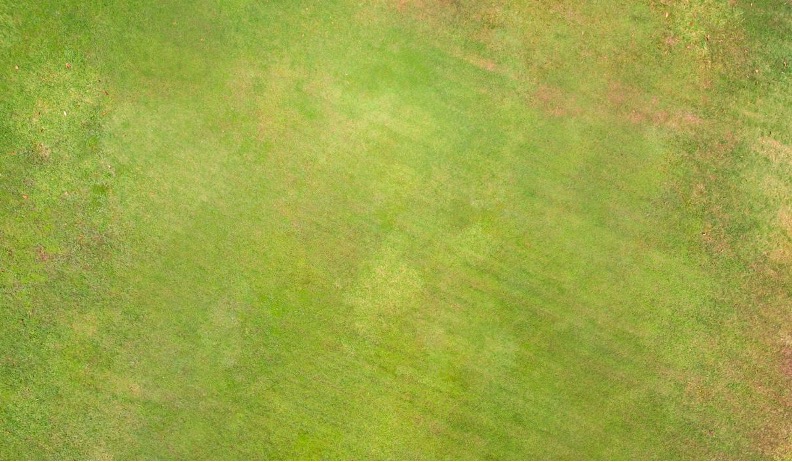
Step out onto a Highland Park lawn in the last week of August and the season is quietly turning even though the afternoons still feel like summer. The light comes in at a lower angle. The dew sits on the grass past eight in the morning. The strip along the south side of the driveway that went straw-colored in July is still thin, and the shaded stretch under the parkway trees has opened up where the canopy stole the light. Everything about the yard is telling you it is time, and it is.
Most homeowners we talk to on the North Shore are not unsure about whether the lawn needs seed. They can see the thin spots. What they are unsure about is timing, because they keep hearing about a window and they do not want to miss it or jump the gun. That instinct is right, and the window here is narrower and more specific than most people assume.
Why the Window Is About Soil, Not the Calendar
Cool-season grasses, the Kentucky bluegrass, turf-type tall fescue, and perennial ryegrass that make up nearly every established lawn from Evanston to Lake Forest, want two conditions at once to establish from seed. They want soil still holding summer warmth, because warm soil drives fast germination, and they want air that has stopped punishing a seedling with ninety-degree afternoons. On the North Shore those two conditions overlap for a genuinely short stretch.
The trigger is soil temperature, not a date on the calendar. Seed germinates best as soil settles back through roughly the low seventies on a falling trend, and near Lake Michigan that generally happens in the last week of August and holds into the third week of September. A hot week in early September does not undo the trend, and a cool snap in late August does not mean the window has opened for good. It is a stretch, not a single day, and it is shorter than the fall itself feels.
Proximity to the lake nudges it too. Lawns close to the shore in Highland Park and Winnetka stay a touch warmer into fall as Lake Michigan holds its summer heat, while properties farther inland cool a little faster. It is a small difference, but on a window this short it is worth watching your own yard rather than a regional average.
Why Late August Beats Waiting Until October
The temptation is always to wait until the yard is fully done with summer and the weather is comfortable to work in. The problem is what that costs the grass. Seed dropped in the last week of August into mid-September gets warm soil for quick germination and then two to three months of favorable growing weather to build roots before the ground freezes. Seed dropped in early October gets a few cool weeks and then a Chicago winter it has not had time to prepare for.
That difference shows up the following summer. A lawn seeded in the window roots deeply and holds through the next July. A lawn seeded too late comes up thin, roots shallowly, and is the first thing to fail when the heat returns. On the North Shore, where winter arrives in earnest, the penalty for being three weeks late is larger than it is a few hundred miles south.
What Our Clay Adds to the Picture
The soil under most North Shore neighborhoods is heavy, and it changes how you seed. Older established lots in Winnetka and Wilmette often have decent structure but decades of compaction from foot traffic and mowing. Newer construction and rebuilds, which the area sees a great deal of, frequently sit on subsoil that was compacted by equipment and then topped with a thin layer of soil before sod went down. Either way, seed broadcast over hard, dense clay largely sits on the surface and washes into the street with the first storm.
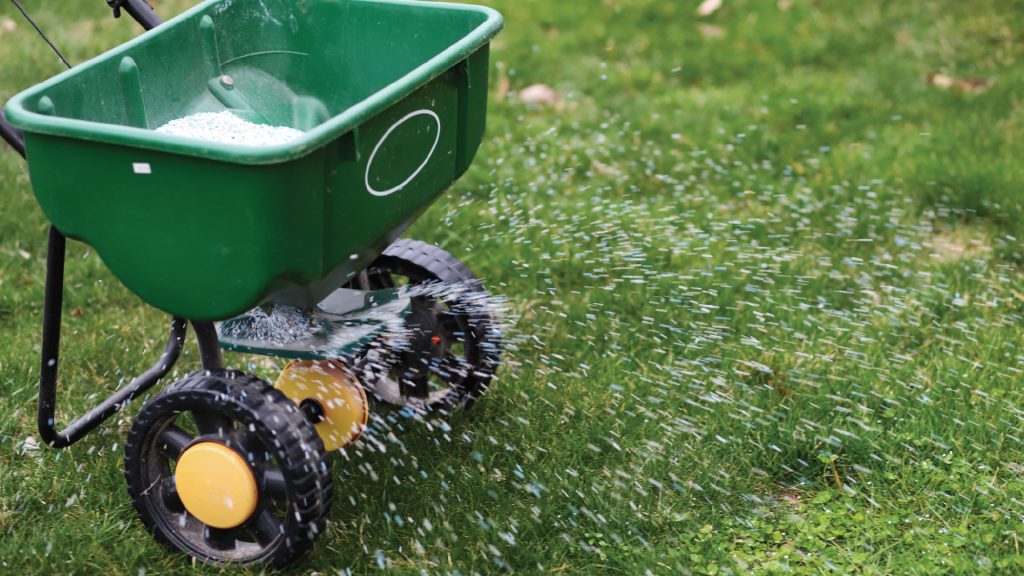
That is why core aeration belongs in the same visit as seeding here. Aeration pulls plugs out of the clay and opens thousands of small pockets, and those open holes are the best seedbed you can create, giving seed direct contact with soil and a protected, moisture-holding place to germinate. On our ground, aeration is not an optional add-on to overseeding. It is most of what makes the overseeding work.
Skipping the aeration and simply raking seed into the surface is the most common shortcut we see on the North Shore, and on this clay it is also the most common reason a seeding looks promising in September and then thins out by the following June.
Choosing Seed for Your Actual Yard
The right blend depends on your light, and most North Shore properties have both bright and shaded areas that need different mixes. For open, sunny lawns, a blend built mostly on turf-type tall fescue, which roots deeply and handles our summer heat, supported by Kentucky bluegrass, which spreads by rhizomes and knits damage closed, and a modest amount of perennial ryegrass, which germinates fast and holds the seedbed while the slower species establish, is the dependable choice.
Under the mature canopy that defines so much of the North Shore, fine fescues tolerate low light far better than bluegrass and use less water, which matters when tree roots are drinking first. Buy by the tag, not the front of the bag. Look for named varieties rather than a generic species name, a weed-seed figure near zero, and no annual ryegrass, which looks lovely in October and is gone by the following July. A bargain bag is cheap because of what it contains, and you pay for it twice, once at the register and again in the weeds that came free with it.
Watering the Window, Which Is Not How You Watered in July
Once seed is down, the watering rules invert. Established turf wants deep, infrequent soaking. Germinating seed wants the top half inch of soil constantly moist, which means short, light cycles two or three times a day for roughly the first two weeks. Let that surface dry out at midday and the seedlings that had just started die before you ever see them, and that is the single most common reason a North Shore seeding underperforms. Once the new grass is up and has been mowed once, you begin backing off frequency and lengthening each session until you are back to deep, infrequent watering by mid-autumn.
What to Do Next
The practical move this week is to walk the property and mark what is genuinely thin rather than merely dormant, then get aeration and overseeding scheduled inside the window rather than after it. Call us at PHONE_PLACEHOLDER or request a free quote at lawnsquad.com. We serve Highland Park, SERVICE_AREA_PLACEHOLDER, and the surrounding North Shore communities.
A first visit is a walk of the property with you. We check compaction and thatch, look at how much living turf is actually left in the thin areas, assess sun and shade zone by zone, and recommend seed by area rather than by bag. If your lawn is thin because of shade or grub feeding rather than a seeding gap, seed alone will not hold, and we will say so before you spend anything. Expect ryegrass to show in seven to ten days, tall fescue next, and bluegrass last. At thirty days the lawn looks patchy and uneven, which is normal. The real payoff arrives next spring, when the seeded areas green up thick and early alongside everything else.
Longer term, the lawns that hold up through a North Shore summer are the ones with deep roots and balanced nutrition going in, which is the whole idea behind our VitaminLawn program. It builds fertilization and weed control around the grass types, the heavy clay, and the specific swing of our seasons rather than a national schedule. Every location is independently owned and operated, quotes are free, and the work is backed by a satisfaction guarantee. Get the date on the calendar now, and spend the rest of August simply keeping the thin areas watered.