
Snow, Salt, and Spring Green-Up: How a Winterizer Helps Central Indiana Lawns Recover
Snow, Salt, and Spring Green-Up: How a Winterizer Helps Central Indiana Lawns Recover
Short Answer: Central Indiana winters are hard on lawns in a few predictable ways: snow mold where snow and leaves sit longest, salt damage along driveways and streets, freeze and thaw cycles that stress turf, and thin spots from winter traffic. A late-season winterizer applied in November, while the grass is still green and the ground is unfrozen, gives bluegrass and fescue the stored energy to recover quickly from all of them. Pair it with a modest final mow, clean leaf removal, and careful salt use, and most lawns come through winter with far less to repair.
If you are reading this, you may remember last March. The snow melted, and instead of a lawn ready to grow, you found matted gray circles in the backyard, a brown strip along the driveway, and a worn path where everyone cut across the yard all winter. It is a frustrating way to start spring, especially after a year of good care.
Most homeowners we talk to around Indianapolis have seen at least one of those problems. The good news is that much of it can be softened with a few steps in November, and a late-season winterizer is one of the most important.
Central Indiana Winters Are Unpredictable
Central Indiana does not usually get the deep, long-lasting snow cover of places farther north. Instead, winters here tend to swing between snow, ice, freezing rain, and thaws. One week the lawn is buried, the next it is bare and soggy, and the week after that it is frozen solid again.
Those swings are hard on turf. Freeze and thaw cycles stress grass crowns, wet snow and ice create conditions for disease, and repeated salting along pavement builds up in the soil.
The Four Winter Problems We See Most
After every winter, the same four issues show up on lawns across Hamilton, Marion, Hendricks, Johnson, and Boone counties.
Snow mold. A fungal disease that grows under snow and in cool, wet conditions. It shows up in spring as matted, grayish or pinkish circles, often where snow or leaves sat the longest.
Salt damage. Rock salt on driveways, sidewalks, and streets builds up in the soil along the edges of the lawn, leaving brown, thin strips.
Freeze and thaw stress. Repeated cycles can weaken crowns, especially in low, wet spots and on newly seeded areas.
Traffic damage. Frozen grass blades break under foot traffic, and repeated paths across the lawn can leave thin, compacted strips.
Where the Winterizer Fits In
A late-season winterizer does not stop snow from falling or salt from being spread. What it does is give the grass a deeper energy reserve going into winter. Kentucky bluegrass and tall fescue fed in November store nitrogen in their crowns and roots, and in bluegrass, the rhizomes.
That stored energy is what the plant draws on to recover and push new growth as soon as the soil warms. A well-fed lawn bounces back faster from mild snow mold, grows back into salt-burned edges more quickly once the salt is flushed, and fills in worn paths sooner. The damage may still happen, but the lawn recovers instead of struggling.
Preventing Snow Mold
Snow mold thrives when grass stays cool, wet, and matted. Here is what we have found works best for prevention. Keep mowing until growth stops, then make a final cut slightly lower than usual, around two and a half inches. Clear or mulch leaves so they do not mat down under snow. Time the late-season feeding for when growth has nearly stopped, rather than early fall, so the nitrogen goes into storage rather than soft top growth. And avoid piling shoveled snow in the same spot all winter.
If snow mold appears in spring, lightly rake the matted areas once the lawn dries. Most cases are cosmetic and recover as temperatures warm.
Reducing Salt Damage
Shovel before you salt, so less product is needed. Use ice melt only where it is truly needed. Consider products labeled as safer for lawns and plants. And avoid shoveling salty snow onto the grass. In spring, a few deep waterings along the edges help push salt below the root zone.
The curb strip between the sidewalk and the street usually takes the worst of it, from plow spray and road salt. Expect it to be the slowest part of the lawn to recover, and give it extra attention in spring.
Freeze and Thaw on Clay Soils
Much of Central Indiana sits on clay-rich glacial soils that hold water. When wet clay freezes, it expands, and repeated cycles can heave young or shallow-rooted grass out of the soil. A lawn with deeper roots, built partly by late-season feeding, is much less likely to heave. Improving drainage in low spots and aerating compacted areas in late summer help too.
Protecting High-Traffic Areas
Try to keep foot traffic off frozen or frosted grass. Avoid parking on the lawn or running the snowblower across turf. If there is a path the kids or the dog use every day, expect it to need extra attention in spring, and consider stepping stones for next winter.
Timing the Winterizer
For most Central Indiana lawns, the late-season winterizer works best in November, after the last regular mowing, while the grass is still green and the ground is not frozen. Clear leaves first, choose a nitrogen-focused product with little or no phosphorus, and apply on a calm day ahead of light rain. Avoid frozen ground and heavy downpours.
Leaves Make Every Problem Worse
It is worth repeating, because it ties all four problems together. A thick layer of leaves going into winter blocks light in late fall, traps moisture that favors snow mold, and smothers patches of turf that then come out of winter thin. Mulch light cover with the mower and clear heavier layers before the winterizer.
Ice Sheets
Freezing rain sometimes leaves a sheet of ice over the lawn. Most cool-season grasses tolerate brief ice cover, but long-lasting ice in low spots can damage turf. Avoid chipping ice off the lawn, which harms the grass more than the ice does. Let it melt naturally, and note low areas for drainage improvements later.
Keep Granules Out of the Storm Drains
Around Indianapolis, storm drains carry runoff toward the White River, Fall Creek, and reservoirs like Geist and Morse. Sweep any fertilizer granules off driveways, sidewalks, and streets after application, and never use leftover fertilizer as a de-icer on icy steps or driveways in winter.
Vole Trails
Voles are small rodents that tunnel along the lawn surface under snow, especially near beds, shrubs, and woodpiles. Their winding trails of dead grass show up after the melt. Raking them lightly in spring and letting the surrounding grass fill in usually takes care of it.
Zoysia Areas
If part of your lawn is zoysia, a warm-season grass that goes tan after the first frost, skip it for the winterizer. Zoysia is already dormant and will not use late-season nitrogen.
What Spring Looks Like After a Well-Prepared Winter
Imagine this. The last snow melts in March. Instead of gray circles under the old snow pile, the grass is starting to green. The strip along the driveway is a little thin but fills in within a few weeks. The path across the backyard recovers quickly. The lawn still went through a Central Indiana winter, but it came out ready to grow.
What to Do Next
This month, make a slightly lower final mow, clear or mulch the leaves, and apply a nitrogen-focused late-season winterizer in November while the lawn is still green and the ground is unfrozen. Through winter, shovel before you salt, use lawn-friendlier ice melt where you can, spread out snow piles, and stay off frozen grass.
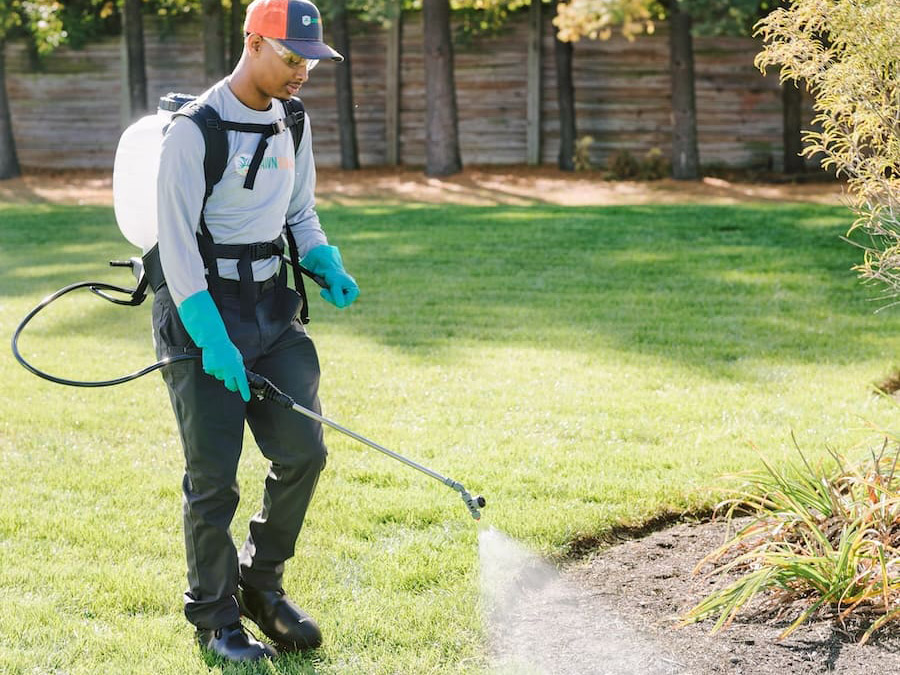
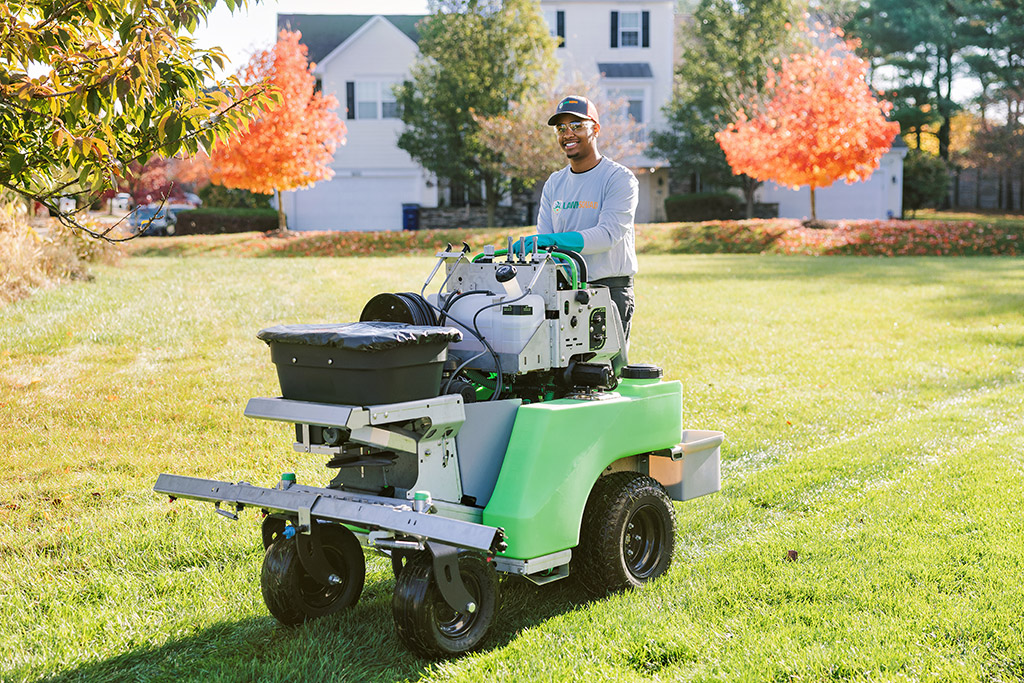
If you would rather have someone else handle the timing decisions, product selection, and application for your Central Indiana lawn, we are here for that. Lawn Squad of Central Indiana serves homeowners across Central Indiana. Visit lawnsquad.com to request a free quote. Our VitaminLawn program is built for the grass types, soils, and weather patterns we deal with here.
Here is what to expect. We will look at your grass, talk through how your lawn handled this year, and explain what we would apply before winter and why. If your lawn does not need a late-season application, we will tell you that honestly.