
What to Expect From a Professional Fall Fertilization Visit

What to Expect From a Professional Fall Fertilization Visit
Short Answer: A good professional fall fertilization visit is more than someone pushing a spreader. It should start with a look at your grass type, lawn condition, and any trouble spots, followed by a product and rate chosen for your grass and the time of year. The application should be even, kept off hard surfaces and away from water, and timed around the weather and any local rules. Afterward, you should know what was applied, why, and what to do next, such as watering or staying off the lawn. Clear communication is a big part of the value.
If you have never had a professional lawn care service before, or you have had one that left you wondering what actually happened, it is fair to ask what a fall fertilization visit should look like. You see the truck pull up, someone walks the lawn with equipment, and a flag goes in the yard. But what should be happening behind that?
Most homeowners we talk to are not looking for a sales pitch. They want to understand what they are paying for and whether it is being done right. Here is what a good fall fertilization or winterizer visit should include, whoever you hire.
It Starts Before Anything Is Applied
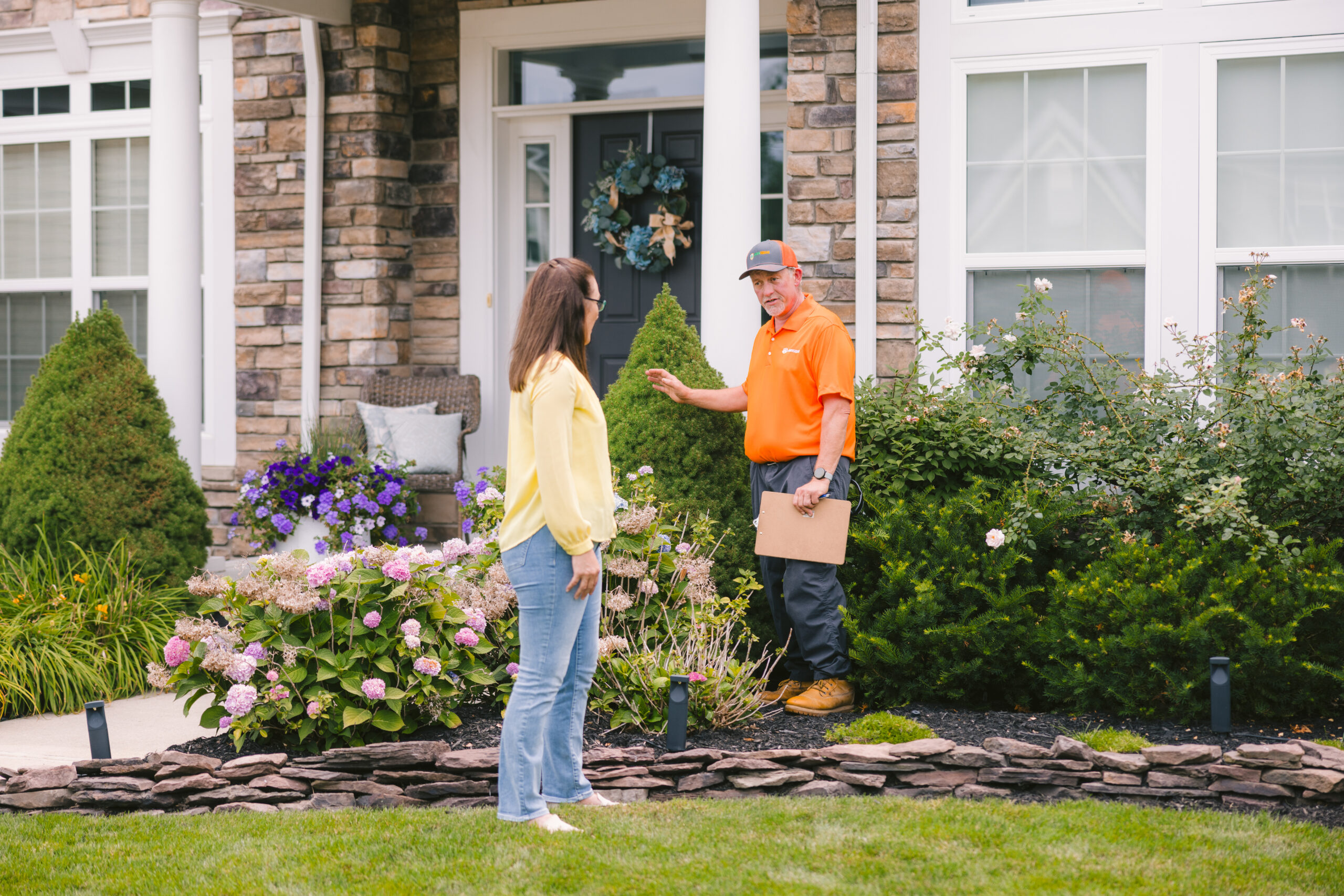
A good fall visit starts with a look at the lawn, not with the spreader. The technician should be noting the grass type, the overall condition after summer, thin or bare areas, weed pressure, signs of disease or insect damage, and anything unusual since the last visit.
That assessment matters because fall fertilization depends heavily on the grass. Cool-season lawns like bluegrass and fescue benefit from fall and late-season feedings. Warm-season lawns like Bermuda, St. Augustine, and zoysia are heading toward dormancy and usually should not get heavy nitrogen this late. A mixed lawn may need different treatment in different areas.
The Right Product for the Season
A professional fall feeding should be chosen for the grass type and the time of year, not pulled from the same bag used in spring. For cool-season lawns, a late-season feeding typically focuses on nitrogen in a form the grass can use before the ground freezes. For warm-season lawns, late fall may call for no nitrogen at all, or for potassium or iron instead.
Phosphorus is rarely needed on established lawns and is restricted in many areas. A good provider should be able to explain why they are using what they are using.
Timing Around Weather and Rules
Timing is one of the biggest advantages of professional service. A good provider watches the weather and avoids applying right before heavy rain or on frozen ground. They also know any local rules, such as fall or winter fertilizer cutoff dates, rainy-season restrictions, or setbacks from water, and plan around them.
Even Application
Professional equipment is calibrated to put down an even amount across the whole lawn. Uneven application shows up the next spring as stripes or rings of dark and pale grass. A careful technician overlaps passes correctly and closes the spreader or sprayer when turning.
Keeping Product Where It Belongs
A good technician keeps fertilizer off driveways, sidewalks, and streets, and blows any stray granules back onto the lawn before leaving. They also keep product away from ponds, streams, storm drains, and garden beds where it is not intended.
Working Around Leaves
In fall, leaves can get in the way. Fertilizer spread over a thick leaf layer never reaches the soil. A good provider will let you know if leaves need to be cleared before the visit, or adjust the timing so the application actually reaches the lawn.
Respecting Your Property
Little things matter. Closing gates, watching for pets, avoiding garden beds, and being careful around landscaping and outdoor furniture all show that the technician respects your home.
Communication Before the Visit
You should know when the visit is coming, so you can make sure gates are unlocked, pets are inside, and the lawn is reasonably clear of toys and debris.
Communication After the Visit
After the visit, you should know what was applied and why, whether you need to water it in, how long to keep kids and pets off the lawn, and anything the technician noticed, such as thin areas, weeds, signs of disease, or insect activity. Many providers leave a note, send a message, or both.
Honest Recommendations
A good provider tells you what your lawn actually needs, not just what they can sell. If your warm-season lawn should skip the late-season nitrogen, they should say so. If a thin area needs seed rather than more fertilizer, they should explain that.
Licensed and Insured
Lawn care applicators are licensed or certified in many states. It is completely reasonable to ask whether a company’s applicators meet your state’s requirements and whether the company is insured.
Follow-Up
If something does not respond the way it should, a good provider follows up. Ask how they handle concerns between visits, and whether a return visit is included if a treatment does not take.
Questions Worth Asking
Before you hire anyone for fall fertilization, it helps to ask the same questions. What grass type do you see in my lawn, and how does that change the fall plan? What will you apply this fall, and why? How do you handle timing around weather and any local fertilizer rules? Will you let me know before and after each visit? What happens if I am not happy with the results?
What You Can Do to Help
A few things make every visit more effective. Mow a day or two before the visit if the lawn needs it. Clear heavy leaf cover if you can. Make sure gates are unlocked and pets are inside. And let your provider know about anything new, like a recent seeding, a new pet, or a problem area you have noticed.
Signs a Visit Was Rushed
A few signs suggest a visit was not done carefully: granules left on the driveway, product spread over a thick leaf layer, stripes or rings showing up a few weeks later, or no information about what was applied. If you notice any of these, it is fair to ask about it.
Price Versus Value
Two quotes for fall fertilization can look very different. Before comparing totals, compare what is included: how many visits, what is applied at each, whether weed control is part of it, and what happens if a treatment does not take. The cheapest option is not always the best value if it skips steps your lawn needs.
Fall Fertilization Is Part of a Bigger Plan
A single fall visit helps, but the biggest results come from a plan that covers the whole year: the right feedings at the right times, weed control, and attention to disease and insects. Fall is often the most important part of that plan for cool-season lawns, and a time to prepare warm-season lawns for dormancy.
What a Good Visit Leaves Behind
Imagine this. The technician walks your lawn, points out a thin spot under the maple and some clover along the fence, explains why your fescue is getting a late-season feeding this month, and makes sure no granules are left on the driveway. That evening, you get a note with what was applied and when to water. Next spring, the lawn greens up early and evenly.
What to Do Next
Before your next fall visit, mow if needed, clear heavy leaves, unlock gates, and bring pets inside. Ask your provider what grass type they see, what they plan to apply and why, and how they handle weather and local rules. After the visit, follow any watering or stay-off instructions.
If you would rather have someone else handle the timing decisions, product selection, and application for your lawn, we are here for that. Visit lawnsquad.com to find the Lawn Squad location nearest you and request a free quote. Our VitaminLawn program is built specifically for the grass types, soils, and weather patterns in each market we serve.
Here is what to expect. Your local Lawn Squad team will look at your grass type, how your lawn handled this year, and any trouble spots, then explain what they would apply this fall and why. If your lawn does not need a late-season application, they will tell you that honestly.


