Short Answer: The late-August through mid-October aeration and overseeding window is the most important seven weeks of the year for Utah County cool-season lawns, and the decisions that determine whether yours succeeds happen in July. Pull a soil test now so sulfur or chelated iron can go down in August. Map the bare spots and thin zones while you can still see the damage clearly. Pick the seed blend that fits your sun, slope, and water situation. And book the aeration date before the calendar fills up across Provo, Orem, Lehi, and Saratoga Springs. Customers who plan in July get a different lawn in October than customers who try to start the conversation Labor Day weekend.
The Utah County lawn calendar is not symmetrical. Twelve months on paper. About seven real weeks that decide everything. From the last week of August through the second week of October, every condition a cool-season grass needs comes together at once. Cool overnight temperatures. Moderating soil temperatures. A few merciful inches of rain. Reduced disease pressure. Reduced billbug pressure. Long, gentle days. We can grow more grass in those seven weeks along the Wasatch Front than we can in the entire rest of the year combined.
Which means the question is not whether to renovate in September. The question is whether you arrive at September with a plan, or whether you call Labor Day and find out the aeration crews are already booked into October. The decisions that make the difference happen now, in July, while the lawn is still telling you the truth about itself.
Why the Late-Summer Window Matters Most in Utah County
Along the Wasatch Front, the average first hard frost arrives between October 20 and November 5, depending on elevation and exposure. Lehi and Saratoga Springs tend to frost a few days earlier than Provo and Springville, and the bench neighborhoods above the valley floor frost first because cold air pools at elevation. A new grass seedling needs about 6 to 8 weeks of active growth between germination and the first hard freeze to develop a root system strong enough to survive winter. That math puts the last viable seeding date in mid-September for most of the county.
On the front end, soil temperatures typically drop back into the high 70s during the last week of August and into the low 70s by mid-September. That is when cool-season seed germinates reliably without baking. Combine those bookends and you get about seven weeks of true renovation window. Try the same work in July, and you fight 95-degree afternoons. Try it in November, and you fight frost before establishment.
That is why the lawns that look spectacular every May are the lawns that nailed the September window.
Reading Your Lawn While You Can Still See the Damage
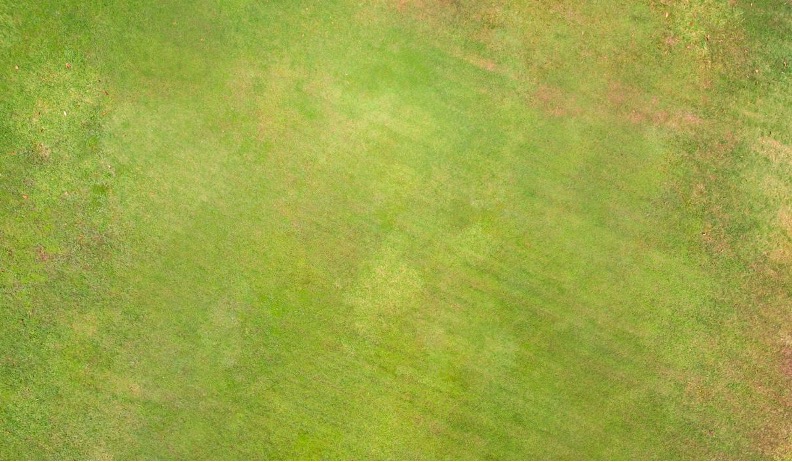
Here is the strange thing about lawn renovation. The best month to plan it is the month the lawn looks the worst. By the time September arrives and the cool nights bring color back, the recovery is already starting and the thin spots blur together. You forget which corner had the dog damage, which strip next to the driveway never came back from spring snow piles, and which slope on the south side scorched into bare soil in July.
Walk the property now with a notebook or your phone. Mark the zones honestly. We use four categories with Utah County customers.
- Bare soil. No living grass. Will need either overseeding or sod patches.
- Thin turf with weeds. Living grass present but density below 60 percent, weeds filling the gaps. Will need pre-emergent removal, aeration, and overseeding.
- Dense but tired. Good coverage, color faded by alkaline soil iron lockout, no real damage. Will benefit from aeration, iron, and a nitrogen push but does not need heavy seeding.
- Healthy. Skip the heavy renovation. Maintain through fall.
A typical Utah County lawn after a tough summer might have 15 percent bare, 30 percent thin, 45 percent dense but tired, and 10 percent healthy. Knowing those zones now lets us bring the right amount of seed, the right aeration intensity, and the right starter fertilizer for each zone instead of treating the whole property the same way.
Why a July Soil Test Is Even More Important on Alkaline Soil
Utah County soils run alkaline. Decades of irrigation with municipal water that carries dissolved calcium carbonate, combined with low natural rainfall to leach those minerals out of the profile, have pushed pH on most Provo, Orem, and Lehi lawns into the 7.5 to 8.2 range. Optimal pH for cool-season grass is 6.2 to 6.8. The gap matters more than people realize.
At pH 8.0, iron, manganese, zinc, and phosphorus are all significantly less available to the grass plant than at pH 6.5. So a Kentucky Bluegrass lawn can be receiving plenty of fertilizer and water and still show the yellow-green color that screams iron deficiency. The nutrients are sitting in the soil. The plant cannot reach them. The problem is the chemistry, not the inputs.
A soil test through the Utah State University Extension lab in Logan costs about $20 and the turnaround is 2 to 3 weeks. Pull the sample in early July, get results back by late July, and you have time to apply elemental sulfur, ammonium sulfate, or chelated iron in August before the September aeration. These amendments take 60 to 90 days to begin meaningfully shifting soil chemistry, so the August application is positioning the soil to support the seedlings going in during September.
Important note: do not apply lime to a Utah County lawn. Lime raises pH. Our soils are already too high. Some out-of-state guides still recommend lime universally. Ignore that advice in our climate.
Test for pH, organic matter, iron, manganese, phosphorus, potassium, and salts. The salt reading matters along the bench neighborhoods and anywhere with poor drainage, because road de-icing carryover and irrigation salts accumulate in our soils. We use those results to build the September starter fertilizer and the soil amendment plan, not just to dump iron.
Picking the Right Seed for Utah County Conditions
The seed conversation gets oversimplified at the big-box store. Cool-season blend, contractor mix, sun and shade mix. None of those tell you what you need on Wasatch Front soils. A genuine Utah County seed blend reflects three things: the dominant sun exposure, the water reality including any secondary water restrictions, and the soil drainage.
For most full-sun lawns in Provo, Orem, Lehi, and the surrounding cities, a blend of about 70 percent Turf-Type Tall Fescue, 20 percent Kentucky Bluegrass, and 10 percent Perennial Rye works well. Tall Fescue provides the deep root system that survives our hot, dry summers with less water than Bluegrass. The Bluegrass spreads through rhizomes and fills gaps over time. The Rye gives quick germination so you have green color in 7 to 10 days while the slower grasses establish.
For lawns in newer developments on south-facing slopes in Saratoga Springs, Eagle Mountain, and parts of Lehi where sun exposure is brutal and water restrictions are tight, push the Tall Fescue percentage higher, even up to 90 percent. Tall Fescue can survive on 25 to 30 percent less water than Kentucky Bluegrass under stress.
For shaded lawns in older Provo and Orem neighborhoods under mature trees, shift the blend toward Fine Fescue. About 40 percent Fine Fescue (Creeping Red and Hard Fescue), 40 percent Tall Fescue, and 20 percent Kentucky Bluegrass. Fine Fescue handles shade and lower water inputs better than any other cool-season grass.
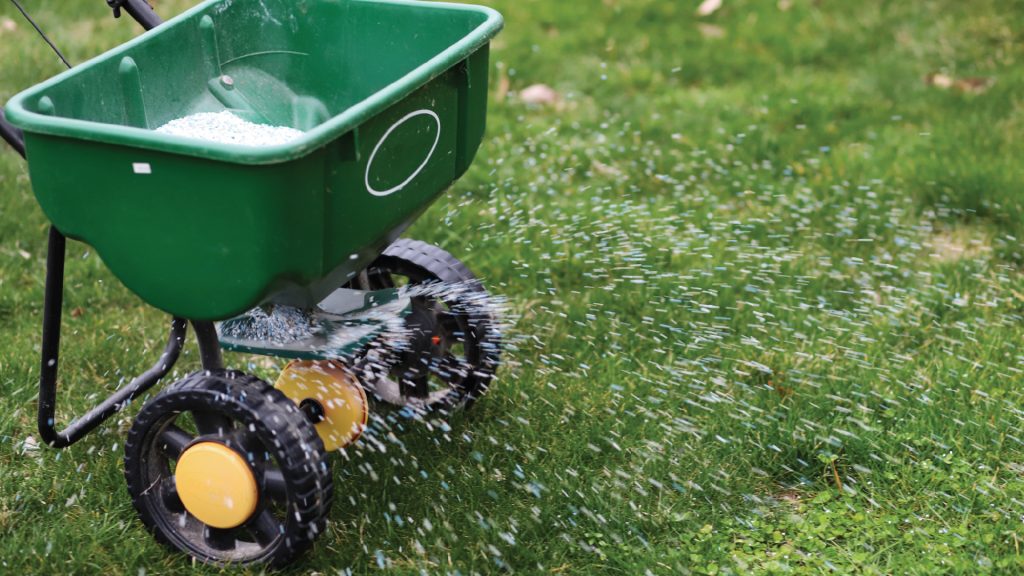
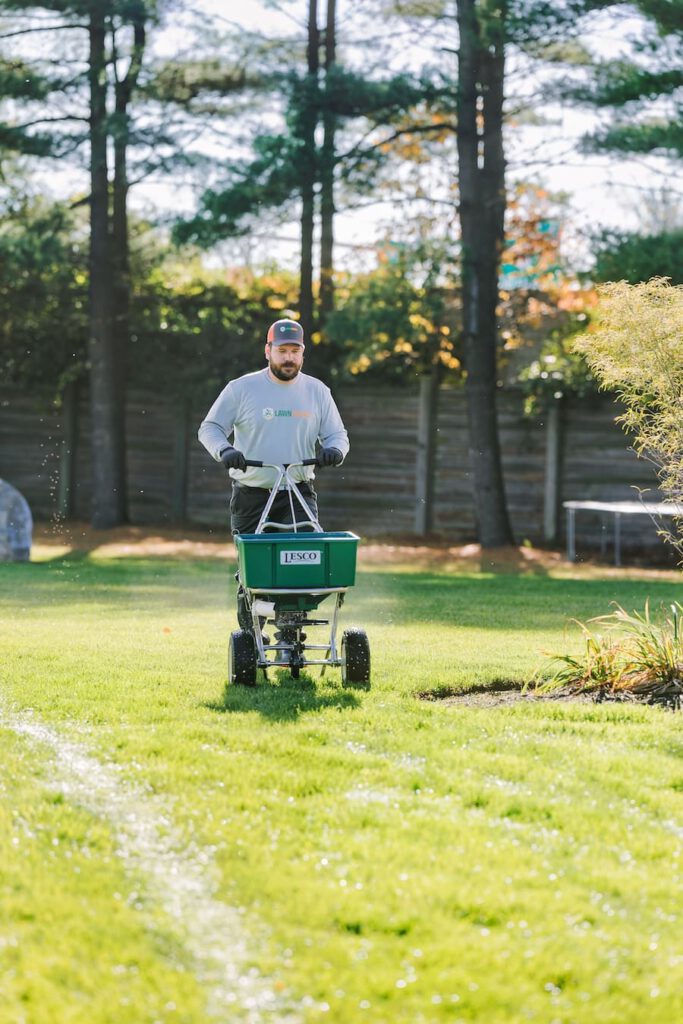
Bag count matters too. Most homeowners under-seed by 30 to 50 percent. Plan on 6 to 8 pounds of seed per 1,000 square feet for thin-turf overseeding, and 10 to 12 pounds per 1,000 for true bare-soil renovation. Skimping on seed is the second biggest reason fall renovations underperform.
The Aeration Decision: When, How, and How Aggressive
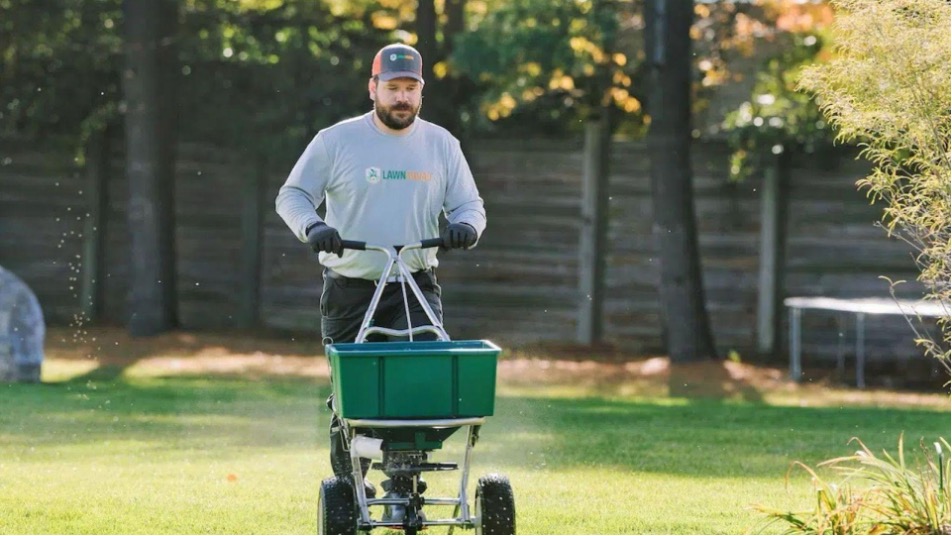
Core aeration is the single most valuable thing you can do for a Utah County lawn in fall. It pulls plugs of soil and thatch out of the lawn, relieves the compaction common in our clay loam, improves water and air movement to the root zone, and creates the seed-to-soil contact overseeding requires. Without aeration, broadcast seed germinates at maybe 25 to 30 percent. With aeration, that climbs past 70 percent.
For most Utah County lawns, a single pass with a core aerator pulling plugs 3 to 4 inches deep on 4 to 6 inch spacing is the right intensity. Heavy clay soils in newer developments where topsoil was scraped during construction often benefit from a double pass in different directions. Sandier soils on the bench can usually get by with a single pass.
Timing matters. Aerate too early in August and the heat punishes the freshly opened soil. Aerate too late in October and seed germination races the first frost and loses. The sweet spot for Utah County is the second through fourth weeks of September. That is also when our schedule fills up first. Booking in July typically gets you that prime September slot. Calling Labor Day weekend often pushes you into late September or even October, which compresses the establishment window.
Stitching It All Together: The Real July Plan
- Week 1: Pull the soil sample. Send to USU Extension lab or hand to your Lawn Squad rep.
- Week 2: Walk the property. Map bare, thin, dense-tired, and healthy zones. Photograph for reference.
- Week 3: Review soil test. Calculate sulfur or chelated iron needs. Pick seed blend.
- Week 4: Book the September aeration date. Schedule the August amendment application.
Customers who follow that rhythm get a fall renovation that produces visible results by mid-October and a lawn that looks transformed by next May. Customers who wait until Labor Day get whatever dates are still on the calendar and a renovation that fights the calendar instead of working with it.
What to Do Next
If you want a real plan for your specific property before the September window opens, this is the month to start that conversation. We will walk the lawn, map the zones, pull the soil test, recommend the seed blend that fits your sun and water situation, and lock in the aeration date.
Lawn Squad of Utah County serves Provo, Orem, Lehi, American Fork, Pleasant Grove, Lindon, Saratoga Springs, Eagle Mountain, Springville, Spanish Fork, Mapleton, Payson, and the surrounding Utah County communities.
Call us at 385-336-6785 or request a free quote at lawnsquad.com. Our VitaminLawn program ties summer protection to fall renovation in one calibrated plan for cool-season Kentucky Bluegrass and Fescue lawns on alkaline Wasatch Front soils, and the July customers are the ones who get the best September dates.