
Short Answer: In The Palm Beaches, caterpillar pressure splits by zip code. Oceanfront estates on Palm Beach island, Manalapan, and Jupiter Island deal with salt-stressed St. Augustine that gets hit harder and recovers slower. Wellington and Loxahatchee see pasture-driven armyworm migration from adjacent equestrian properties. Snowbird-owned homes lose lawns to detection gaps when no one is walking the turf at dusk. The fix is twice-weekly scouting from July through November, a documented authorization chain with your property manager, and a chlorantraniliprole application timed against UF/IFAS Palm Beach County moth-flight reports. Pyrethroid knockdown handles emergencies. Anything caught in week one is a treatment. Anything caught in week three is a sod replacement.
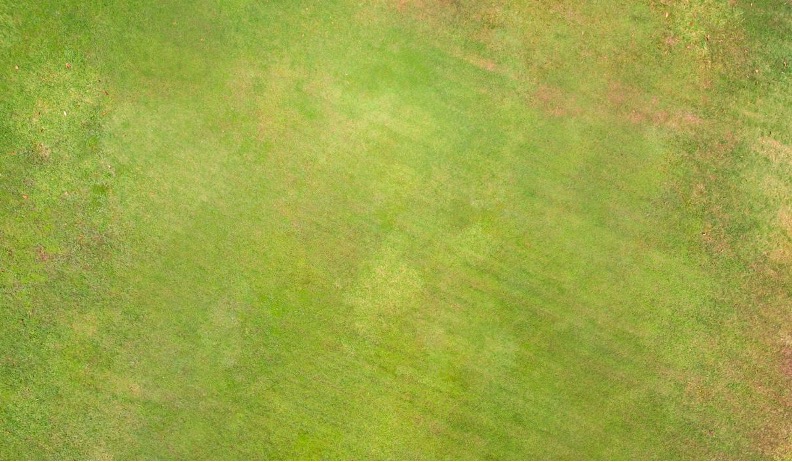
The property manager call we get most often in July starts the same way. The owners are in Maine or in Europe. The technician scheduled to mow on Monday walked the front lawn in Manalapan and the entire stretch facing the seawall looks scalped overnight. The pool deck side is fine. The Atlantic side is gone. The owners want to know whether the lawn can be back together before they fly down for Thanksgiving.
Armyworms and tropical sod webworms are the answer about half the time. The other half is a salt-and-stress story where the caterpillar pressure was the trigger but not the only cause. Either way, the Palm Beaches version of this problem is not the inland or North Florida version, and the response logistics on a multi-acre oceanfront estate are not the same as a homeowner pulling the soap flush bucket out of the garage.
The Three Palm Beaches Micro-Climates
Within Palm Beach County, three distinct turf environments produce three distinct caterpillar patterns, and treating them the same way is how lawns get lost.
The barrier-island zone runs from Jupiter Island and Hobe Sound south through Singer Island, Palm Beach, and Manalapan. Atlantic salt spray rides the prevailing easterly wind onto these lawns daily. St. Augustine on these properties carries chronic low-grade salt injury that compounds when caterpillars feed. A defoliation event a Wellington lawn shrugs off in three weeks can take a Jupiter Beach Road lawn six to ten weeks to repair.
The equestrian and western suburban zone covers Wellington, Loxahatchee, The Acreage, and the western edges of Lake Worth. Horse pastures and adjacent agricultural acreage are constant armyworm reservoirs because pasture grasses are exactly what the moths want for egg-laying. When pasture populations spike, the moths fan out into adjacent residential turf. Wellington homeowners on streets backing up to equestrian properties see armyworm pressure two to three weeks ahead of coastal neighborhoods most years.
The Lake Okeechobee influence zone covers Belle Glade, Pahokee, and the far western parts of Loxahatchee. Rainfall here runs heavier than the coast, often driven by lake-fed afternoon convection. Wetter thatch favors tropical sod webworm reproduction. These properties see webworm pressure earlier in summer than coastal estates, sometimes by mid June.
The Two Caterpillars and Why Both Matter Here
Fall armyworms (Spodoptera frugiperda) arrive on the southern migration each summer. Mature caterpillars run about an inch and a half, light green to brown, with an inverted Y on the head. They feed at night and on cloudy days. One generation runs roughly 30 days. A heavy outbreak can chew a coastal St. Augustine lawn from green to bare stems in 48 to 72 hours.
Tropical sod webworms (Herpetogramma phaeopteralis) are smaller, around three quarters of an inch when mature, with a dark head. They build silk-lined tubes in the thatch and feed only at night. Palm Beach County supports four to five generations per year because winter rarely drops low enough to break the cycle. The cumulative damage across successive generations is what actually drags lawns down, not any single event.
On Palm Beach island, the sod webworm is the bigger long-term problem and the armyworm is the bigger emergency. The estate lawns that look worst by November are the ones that absorbed three sequential webworm generations because nobody was scouting.
Scouting on an Estate Property
Scouting twice a week is easy on a quarter-acre lot. On a three-acre oceanfront estate with formal hedges, banyan canopy, pool gardens, and multiple lawn zones, it requires planning. The grounds crew needs a written route, not a vague instruction to watch for moths.
The route should hit irrigation-stressed zones first. On most barrier-island properties that means the strip closest to the seawall, the western exposure that bakes after 2 p.m., and any zone where a controller was adjusted down for SFWMD watering compliance. Caterpillar damage shows up there first because the turf is least able to outgrow feeding.
Look for brown to gray moths flying low at dawn or dusk (armyworms) or small tan moths zigzagging across the turf at last light (webworms). Watch for ibis, grackles, and mockingbirds working a single zone with intense focus. The bird signal is one of the most reliable indicators we know. Check for chewed-edge damage where green turf meets a sharp ragged line, and pull back thatch at dawn to look for silken webbing.
Under mature banyan or ficus canopy the dynamic shifts. The cooler humid micro-climate holds higher larval populations, but the moths are less visible because the canopy hides dusk flights. On those properties we run rotating flush tests rather than waiting for moth observation.
The Flush Test, Adapted for Palm Beach Lawns
The diagnostic is straightforward. Mix two tablespoons of lemon-scented dish soap into two gallons of water. Pour across a one-square-yard area at the edge of suspected damage. Wait three to five minutes. Caterpillars come up through the thatch where you can count and identify them.
Treatment thresholds run roughly two to three caterpillars per square foot for armyworms and four to six per square foot for sod webworms. On estate properties we test multiple zones because the variation between a shaded zone and a seawall zone can be dramatic on the same lawn. We log counts by zone so the property manager can authorize zone-specific treatment instead of blanketing the property.
If the flush turns up nothing but damage is still expanding, the most common look-alike is chinch bug. The float test (coffee can pressed into the soil at the damage edge, filled with water) rules chinch bugs in or out. Salt stress and dry-down on barrier-island lawns can also masquerade as caterpillar damage, which is why diagnostics before authorizing insecticide matter more here than further inland.
SFWMD Watering Rules and Caterpillar Risk
The South Florida Water Management District restricts landscape irrigation by quadrant. Most of Palm Beach County runs on a two-day-per-week schedule, with specific allowed days driven by odd or even address and the utility serving the property.
The caterpillar implication is direct. Lawns programmed for frequent shallow watering compressed onto two allowed days end up cycling through drought stress between watering days, especially during a July rainfall gap. Stressed St. Augustine attracts heavier moth egg-laying and recovers slower from defoliation when caterpillars do hit.
Use allowed days for deeper cycles (roughly three quarters of an inch per event) rather than short daily bursts. Pair with a functional rain sensor, which SFWMD rules already require, but which we routinely find disconnected on properties that have not had an irrigation audit in years.
Treatment Products and Estate Logistics
Both pests respond to similar product classes. The choice is usually driven by site conditions and timing, not pest identity.
Pyrethroids (bifenthrin, lambda-cyhalothrin) are the standard emergency knockdown. Granular or liquid, applied in the evening, watered in lightly per label. Results within 24 to 48 hours.
Chlorantraniliprole is the preferred preventive on estate properties because of long residual and a favorable pollinator profile. One well-timed early July application carries protection across multiple sod webworm generations. On properties with formal gardens, pollinator plantings, or beekeeping operations (more common in the Wellington and Loxahatchee zone than you would expect), this is the right choice.
Bt (Bacillus thuringiensis var. kurstaki) works well on small caterpillars and is the gentlest option. Useful for shaded banyan-canopy zones where webworm pressure is steady but moderate.
UF/IFAS Palm Beach County Extension publishes regional pest pressure notes through summer, and EDDMapS reports from neighboring properties give a useful early signal. Palm Beach County Mosquito Control runs an overlapping insecticide program, which matters for golf-course-adjacent properties (Palm Beach Country Club, Trump International, The Breakers) where IPM coordination across the property line keeps both sides on a sustainable rotation.
The Snowbird Authorization Chain
Many Palm Beaches estates are occupied four to six months a year. Owners fly south in late October and back north in May. From May through October the property is run by a property manager and rotating vendors. Caterpillar damage in those months is the single most common cause of bad welcome-home moments in November.
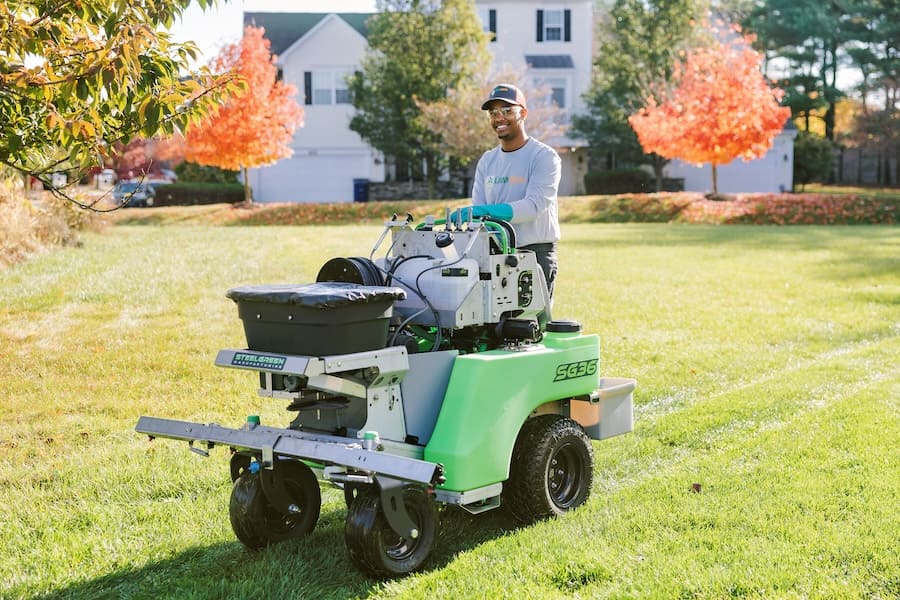
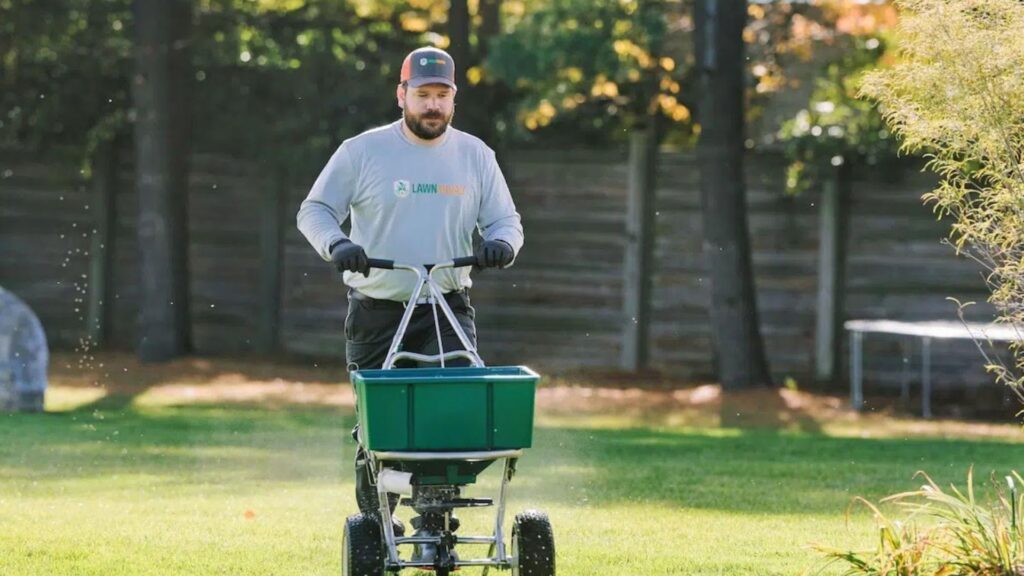
The fix is operational, not chemical. Before owners leave in spring, the property manager, lawn care company, and irrigation contractor should agree on a written protocol. Twice-weekly turf walks with photo documentation. Pre-authorized treatment thresholds so the technician can act on a flush count without waiting for a transatlantic call. A standing chlorantraniliprole application timed for early July. A documented escalation path for damage beyond the standing authorization.
Our team works in English, Spanish, and Creole because the property management and grounds workforce across the Palm Beaches is multilingual and field communication has to reach the people walking the property at dawn. A protocol that only exists in an English email to the owner is not a protocol.
Recovery and What Comes Next
If treatment hit early and runners and crowns are alive, recovery is straightforward. Resume irrigation within SFWMD limits. Skip aggressive mowing for one to two weeks. Hold off on additional nitrogen for two weeks. South Florida’s year-round growing season means St. Augustine rebounds faster here than in almost any other turf region.
If damage reached bare soil on a barrier-island property, sod replacement is more complicated than dropping pallets. Salt tolerance matters. Floratam holds up better than common St. Augustine on Atlantic-facing zones, and an irrigation audit usually pays off when sodding back in.
Either way, scouting continues through November. Both pests come in waves. One treatment knocks the current generation, but new moth flights drop new eggs within two to three weeks.
What to Do Next
Get a written scouting and authorization protocol in place before the next moth flight. Walk the turf twice a week. Run a flush test on any suspicious zone the same day you spot moths or birds working a corner. Treat within 48 hours if counts exceed threshold.
Lawn Squad of The Palm Beaches serves Palm Beach island, Manalapan, Jupiter Island, Hobe Sound, Jupiter, West Palm Beach, Wellington, Loxahatchee, Lake Worth Beach, Boynton Beach, Delray Beach, and Boca Raton. Call 561-621-9217 or request a quote at lawnsquad.com. Our VitaminLawn program is built for Palm Beach County conditions, with salt-zone fertility planning, SFWMD-compliant irrigation guidance, caterpillar scouting routes adapted for estate properties, and a property-manager friendly communication chain that works whether the owners are at the pool or in the Hamptons.