How Do I Protect My Katy St. Augustine Lawn Before a Hard Freeze?
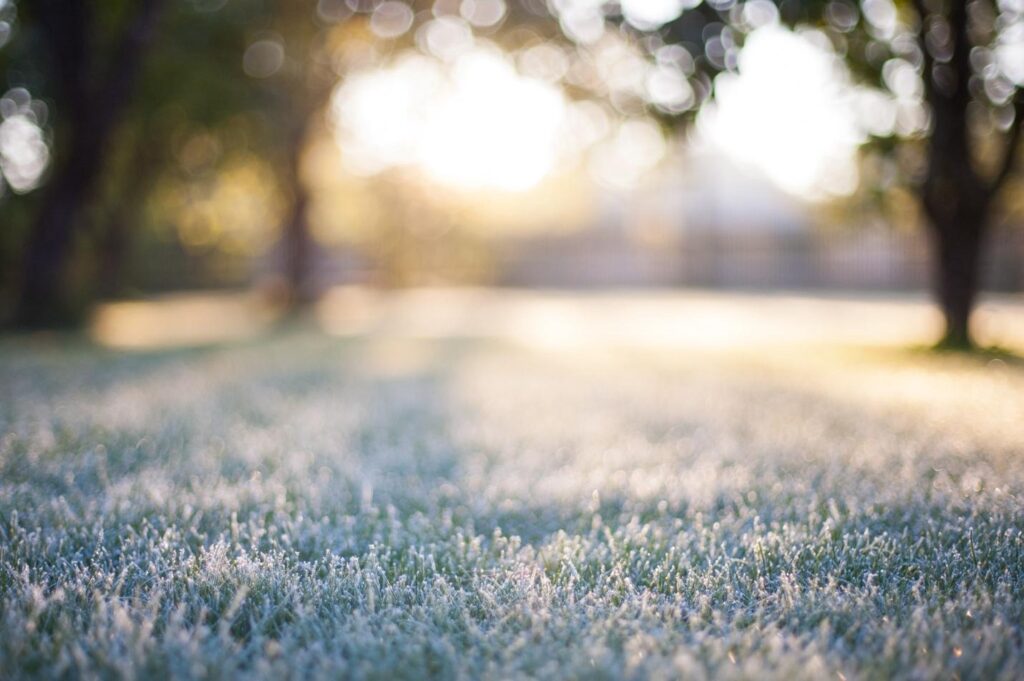
How Do I Protect My Katy St. Augustine Lawn Before a Hard Freeze?
Short Answer: St. Augustine is one of the most cold-sensitive lawn grasses in Katy, so a hard freeze is worth preparing for even though most winters here are mild. Here is what we have found works best: water the lawn a day or two before a hard freeze if it has been dry, turn off the sprinkler schedule, skip late fertilizer, keep mowing at three to four inches, and stay off frozen grass. Afterward, be patient. Brown blades do not mean a dead lawn, and spring green-up will show what truly needs repair.
If you are reading this, you may have seen a freeze warning in the forecast and wondered whether your lawn needs anything from you. Most winters in Katy are mild. Most winters bring some frosty mornings, but they are usually light ones. But every so often a hard freeze settles over the Katy Prairie for a night or two, and St. Augustine is the grass most likely to pay for it.
Plenty of homeowners in Katy, Cinco Ranch, Grand Lakes, and Seven Meadows still remember the February 2021 freeze, when lawns across the Houston area came out of winter with large dead patches. The good news is that a few simple steps before a cold snap, and some patience afterward, make a real difference.
Why St. Augustine Is the Grass to Watch
St. Augustine is a warm-season grass, and it is one of the least cold tolerant lawn grasses grown around Houston. Bermuda and zoysia go fully dormant and usually handle a freeze better. St. Augustine often stays partly green through a mild Katy winter, and that green, still-active tissue is exactly what a hard freeze damages.
A light frost that burns the tips of the blades is not a problem. The lawn may look tan or bronze for a while, but the runners and roots underneath are fine. The real risk comes from temperatures that drop well below freezing and stay there for many hours, especially when the ground is dry.
Light Frost Versus a Hard Freeze
It helps to know what you are actually protecting against. A frost happens when the air near the ground dips to around freezing on a clear, calm night. It burns the blades and passes by midmorning. A hard freeze is a long stretch well below freezing, often with wind, that can reach down to the runners at the soil surface. Short frosts are common in a Katy winter. Hard freezes are rare, which is exactly why they catch people off guard.
Water the Lawn a Day or Two Before
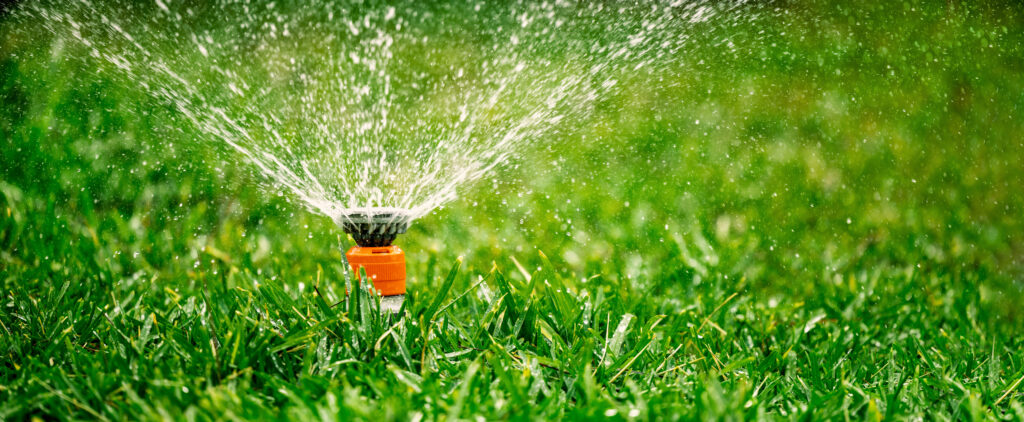
This is the single most useful thing you can do. Moist soil holds and releases heat far better than dry soil, so a lawn that goes into a freeze well watered keeps its runners a little warmer through the night. If the forecast calls for a hard freeze and it has been dry, give the lawn a thorough watering a day or two ahead, during the warm part of the day so the blades are dry by evening.
Do not water the night of the freeze. Water sitting on blades and sidewalks turns to ice, and wet grass at nightfall does the lawn no favors.
Turn Off the Sprinkler Schedule
Many Katy homes have automatic irrigation that keeps running on its fall schedule. Before a freeze, switch the controller off or set it to skip. A system that runs on a twenty-five degree morning coats driveways, sidewalks, and streets in ice, and it can crack pipes and fittings. It is also worth wrapping or covering an exposed backflow preventer, since that is often the first part of a sprinkler system to break in a hard freeze.
Skip the Fertilizer
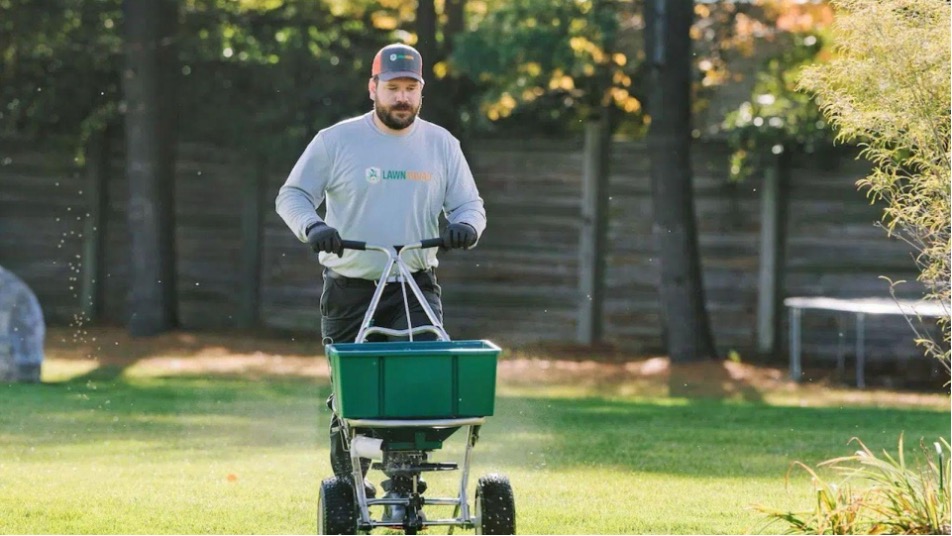
Fertilizer this late in the year pushes tender new growth, and tender growth is the most cold-sensitive part of the plant. If you have not fed the lawn since early fall, that is fine. St. Augustine does not need a late feeding to survive winter, and a heavy dose of nitrogen right before cold weather can leave it more vulnerable, not less.
Keep the Mowing Height Where It Belongs
St. Augustine should stay around three to four inches tall going into winter. That leaf canopy shields the runners at the soil surface. Some homeowners give the lawn one last short cut in November to tidy it up for the holidays, but scalping St. Augustine strips away its insulation right before the coldest weeks of the year.
Stay Off the Grass While It Is Frozen
Frozen blades are brittle. Walking on them, parking on them, or rolling trash bins across them can crush the cells and leave footprint-shaped brown marks that last into spring. On a frosty morning, let the sun do its work before anyone cuts across the yard.
Should You Cover the Lawn?
Covering a whole lawn is rarely practical, and it is not something we usually recommend. Sheets or frost cloth can help a small, prized area or young sod for a single night, as long as the cover reaches the ground and comes off the next day. Never lay plastic directly on grass. It transfers cold, traps moisture, and often does more harm than good.
Why Katy Clay Matters Here
Much of Katy sits on heavy prairie clay. Clay holds water well, which helps before a freeze, but it also stays soggy after rain and compacts under foot traffic. Lawns with poor drainage, or thin turf left over from summer heat, insects, or disease, tend to suffer most when a hard freeze hits. A lawn that went into fall healthy has far more reserves to come back from cold damage.
What to Do After a Freeze
Here is what we have found works best: be patient. After a hard freeze, St. Augustine almost always turns brown, and it can look alarming. Brown blades do not mean the lawn is dead. The runners and roots below are what matter, and you will not know how they fared until the lawn starts to green up in spring.
Resist the urge to rake hard, scalp, fertilize, or lay new sod in January. If you want an early read, pull up a runner in a few spots in late winter. A runner that is white or green and firm inside is alive. One that is brown and mushy is not. By April or May the picture is usually clear, and that is the time to decide whether any areas need repair.
Repairing Real Freeze Damage
If some areas do not come back once the weather has warmed, healthy St. Augustine will slowly creep in from the edges of small spots. Larger dead areas are usually best repaired with sod in late spring, once the soil has warmed and the grass is actively growing. St. Augustine lawns are established from sod and plugs rather than seed, so overseeding is not the fix here.
Common Mistakes
A few patterns show up every winter. Letting the sprinklers run on a freezing morning. Scalping the lawn before Thanksgiving. Applying a winterizer in December. And tearing out brown grass in February that would have greened up on its own by April.
What a Protected Lawn Looks Like in Spring
Imagine this. It is late March. A cold front last winter brought two nights in the low twenties, and a few lawns on your street still have dead patches that will need sod. Yours is filling in evenly as the weather warms, because it went into that freeze watered, mowed at the right height, and left alone until spring showed what had survived.
What to Do Next
When a hard freeze is in the forecast, water the lawn a day or two ahead if it has been dry, turn off the sprinkler schedule, protect any exposed backflow preventer, and keep everyone off frozen grass. Skip late fertilizer, keep mowing at three to four inches, and after the freeze, wait for spring green-up before you decide what needs repair.
If you would rather have someone else keep an eye on your lawn through winter, we are here for that. Lawn Squad of Katy is coming in 2027 to serve homeowners across Katy and the surrounding communities. Visit lawnsquad.com to request a free quote. Our VitaminLawn program is built for the grass types, soils, and weather patterns we deal with here.
Here is what to expect. We will look at your grass type, how your lawn came through the fall, and any trouble spots, then explain what we would do this winter and what comes next in spring. If your lawn does not need a treatment right now, we will tell you that honestly.