

Why Surface Insect Control Still Matters in North Raleigh in November
Why Surface Insect Control Still Matters in North Raleigh in November
Short Answer: Cooler weather slows most lawn insects in North Raleigh, but several that matter to families and pets stay active on mild days. Ticks, including lone star and blacklegged ticks, can be out whenever temperatures climb, and blacklegged adults are active in fall and winter. Fleas survive in shaded, protected spots where pets rest. Ants, including fire ants found in parts of the Triangle, slow down but remain. November is a good time to reduce the shelter these pests use, treat targeted areas on milder days, and keep pets on prevention through winter.
If you are reading this, you may be wondering whether insect control is worth thinking about once the leaves are falling. It is a reasonable question. The mosquitoes have faded, the cicadas are long gone, and frosty mornings make it feel like the bugs must be done for the year.
In North Raleigh, that is only partly true. Our late fall is often mild, with plenty of sunny afternoons in the 60s and even 70s through November. On those days, a handful of pests that matter most to families and pets are still active. Here is what is still around, what is not, and what makes sense this month.
Why Raleigh’s Late Fall Keeps Pests Active
Insects are cold-blooded, so their activity follows the temperature. A hard freeze slows them down, but North Raleigh’s November is rarely a steady cold. A frosty morning is often followed by a warm afternoon, and mild stretches can last for days. Pests that shelter in leaf litter, mulch, and protected spots during cold snaps come back out when the weather warms.
Ticks: The Most Important Late-Fall Pest
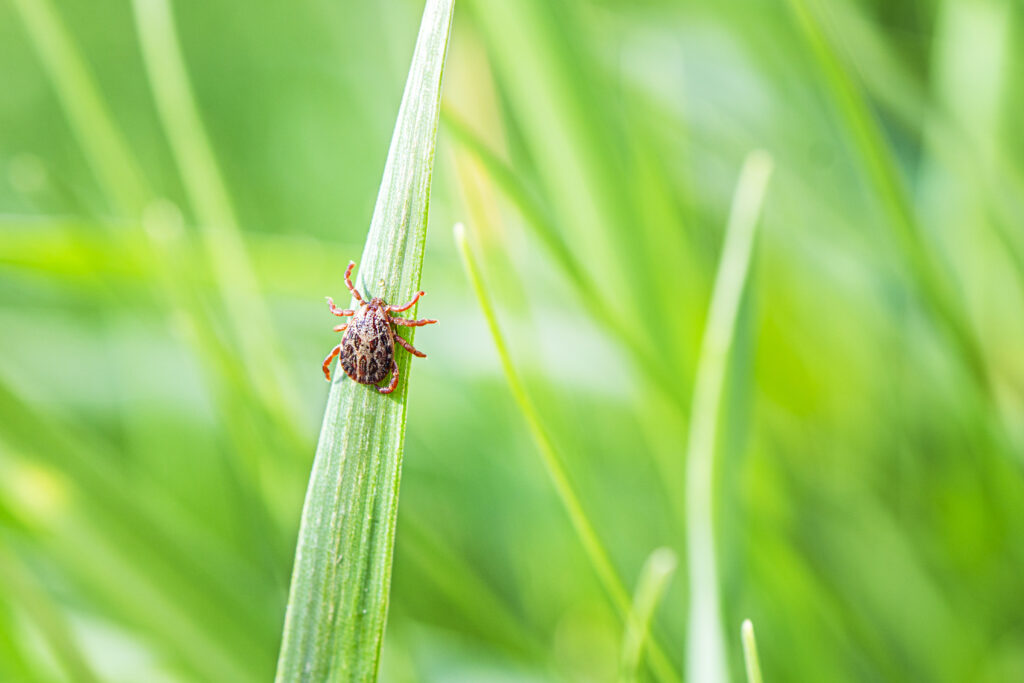
Ticks are the surface pest that surprises people most in late fall. Lone star ticks are among the most common ticks in North Carolina and are aggressive biters. They are most active in warm months but can turn up on mild fall days. Blacklegged ticks, often called deer ticks, have an adult stage that is active in fall and through winter on days when temperatures rise above freezing. American dog ticks are also found in the area.
North Raleigh’s wooded lots, greenways, and neighborhoods bordering Falls Lake and its surrounding woods give ticks and the deer that carry them plenty of habitat.
Where Ticks Wait
Ticks do not do well in short, sunny lawn. They dry out quickly. Instead, they wait in leaf litter, tall grass, and brush, usually along the edges where lawn meets woods, along fence lines and paths, under shrubs and in dense groundcover, and around woodpiles. Those edges are where most tick encounters happen.
Fleas: Hiding in the Shade
Fleas thrive in warm, humid, shaded spots. As the weather cools, they retreat to protected areas: under decks and porches, in pine straw beds and dense groundcover, along shaded foundations, and wherever pets like to rest outside. Wildlife like raccoons, opossums, squirrels, and stray cats can keep flea populations going in a yard.
If your pets spend time outdoors, fleas can ride inside and keep breeding in a warm house through the winter.
Ants and Fire Ants
Ants do not disappear in winter. They move deeper into the soil and slow down, then come back up to forage on mild days. Imported fire ants are present in parts of the Triangle, and their mounds often become more noticeable after fall rains. Fire ant baits work best when ants are actively foraging in warmer weather, so November is a good time to mark mounds and treat on warm days or plan for spring.
What Is Mostly Done for the Year
Mosquitoes drop off sharply after the first freezes. Chiggers become inactive once temperatures stay below about 60 degrees. Fall armyworms, which can damage Bermuda and fescue lawns in late summer and early fall, are usually killed by the first hard frost. If you saw damage from any of these earlier in the season, November is a time to assess and plan rather than treat.
Insects Moving Indoors
Late fall is also when ants, crickets, spiders, and occasional invaders like stink bugs and lady beetles try to move into homes for the winter. They gather around foundations, doors, and windows on sunny afternoons. Sealing gaps around doors, windows, and utility lines, keeping pine straw and leaf piles pulled back from the foundation, and treating the perimeter where insects gather all help keep them outside.
Pine Straw Beds
Pine straw is a classic North Raleigh landscape mulch, and it is great for beds. It also stays moist and sheltered underneath, which makes it a favorite hiding spot for fleas, ticks, and ants as the weather cools. Keeping pine straw at a reasonable depth, pulled back a few inches from the foundation, and refreshed rather than piled deeper each year makes beds less inviting.
Reducing Shelter Around the Yard
In late fall, one of the most effective things you can do is reduce the places pests shelter. Rake or mulch leaves, especially along the edges of the lawn and under shrubs. Keep grass mowed along wooded edges and fence lines. Trim back dense groundcover near the house. Stack firewood off the ground and away from the foundation. Clear brush piles near play areas.
Deer, Rodents, and Ticks
Deer are common across North Raleigh’s wooded neighborhoods, and they carry adult ticks into yards. Mice and chipmunks, which host young ticks, thrive around woodpiles, brush, and spilled birdseed. Keeping bird feeders away from the house, reducing brush and debris, and choosing deer-resistant plants near patios and play areas all help reduce the tick load close to home.
Where a Late-Fall Treatment Makes Sense
A surface insect control treatment in November is most useful when it is targeted to the places that matter: wooded edges and paths where ticks wait, shaded areas where pets rest and fleas hide, and the perimeter of the house where insects try to move indoors. Treatments applied on milder days, when pests are active, tend to work best.
Pets and Family Safety
Keep pets on flea and tick prevention through the winter, as your veterinarian recommends. Check pets and kids for ticks after time near wooded areas or greenways, even on cool days. Keep kids and pets off treated areas until they have dried, as the product label directs. If someone develops a rash, fever, or other symptoms after a tick bite, contact a medical professional.
Ticks Indoors
Ticks that come inside on pets or clothing usually do not survive long in a dry house, but an unattached tick can still crawl onto someone. Putting outdoor clothes in the dryer on high heat for a few minutes after yard work or a walk on the greenway kills ticks hiding in fabric.
Planning for Spring
Early spring brings a new wave of ticks, fleas, and ants as temperatures warm. Making a note now of where you saw pests this year, and where fire ant mounds appeared, makes spring treatment more targeted.
What a Well-Managed Late Fall Looks Like
Imagine this. It is a warm Saturday afternoon before Thanksgiving. The kids are playing in the backyard, and the dog is stretched out by the deck. The leaf litter along the tree line is cleared, the pine straw is pulled back from the house, and the edges where ticks wait have been treated. Nobody is pulling ticks off the dog that evening, and the stink bugs are staying outside.
What to Do Next
This month, clear leaves and brush along wooded edges, keep grass mowed along tree lines and fences, pull pine straw back from the foundation, seal gaps around doors and windows, and keep pets on year-round flea and tick prevention. Mark any fire ant mounds for treatment on a warm day or in spring.
If you would rather have someone else keep an eye on the insects in your North Raleigh yard, we are here for that. Lawn Squad of North Raleigh serves homeowners across North Raleigh. Visit lawnsquad.com to request a free quote.
Here is what to expect. We will walk your lawn and the edges of your landscape, look for signs of insect activity and the conditions that encourage it, and explain what we would treat and why. If your yard does not need a treatment right now, we will tell you that honestly.
