Short Answer: You do not fix sandy soil by watering it more. You fix it by giving it something to hold water with. Most Southeastern Massachusetts lawns sit on glacial outwash sand that drains within minutes and holds almost no nutrients, so water and fertilizer both pass below the root zone. The durable fix is organic matter added over several seasons through compost topdressing, returned clippings, and deeper rooting. Pair that with drought-tolerant fescue in the seed mix, higher mowing, and slow-release feeding, and the lawn stops collapsing every August.
Why the Soil Under Your Lawn Behaves This Way
Most of Southeastern Massachusetts sits on glacial outwash, which is exactly what it sounds like: sand and gravel sorted and dropped by meltwater as the ice sheet retreated. Plymouth, Bristol, and Barnstable county soils are frequently sandy loam over coarse sand, and in places the sand runs many feet deep. That structure drains beautifully, which is why the region rarely has standing water problems, and it is also why lawns here go from green to straw in about ten dry days. Understanding that the problem is soil texture rather than a fertilizer deficiency changes what you spend money on.
Sand Cannot Hold What You Put on It
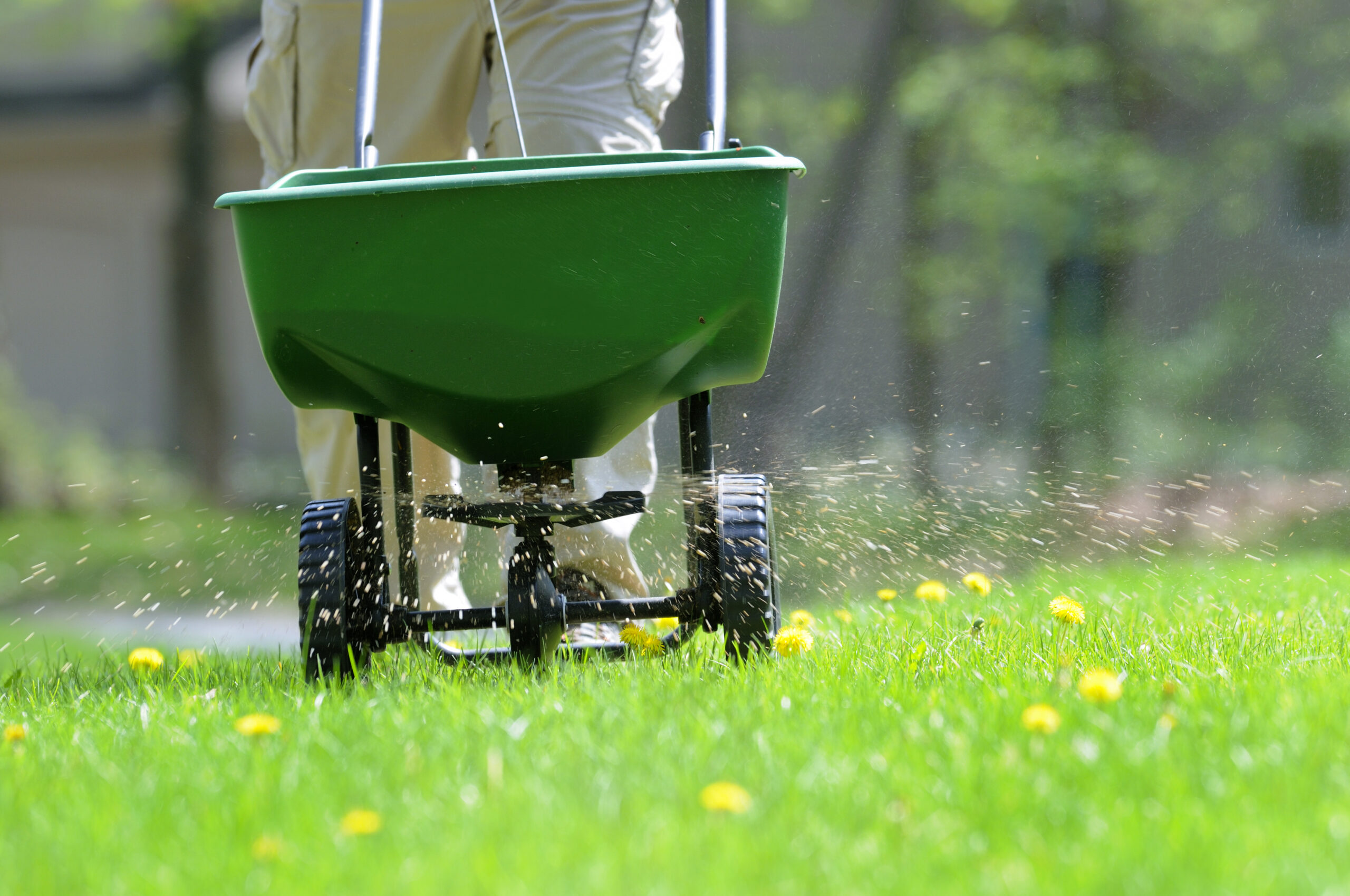
Soil holds nutrients on the surface of clay and organic particles. Sand grains are large, smooth, and chemically inactive, so the soil has very little capacity to hang onto potassium, calcium, magnesium, or nitrogen. Apply a quick-release fertilizer to sand and a meaningful share of it moves below the root zone with the next heavy rain. That is wasted money, and in a region where groundwater feeds drinking wells and coastal estuaries it is also a genuine water quality issue. The answer is not more product. It is slower product on soil that can hold it.
Organic Matter Is the Actual Fix
Every one percent increase in soil organic matter meaningfully raises how much plant-available water the top few inches can hold. On sand, that is transformative. You cannot buy this in a bag and apply it once. It is built over three to five seasons by topdressing with quality compost after aeration each fall, returning clippings rather than bagging them, and letting the grass build root mass that decays into the soil. A quarter inch of compost across the lawn after core aeration is the single highest-value thing most homeowners here can do in September.
Topdressing Without Smothering the Lawn
The mistake is applying too much at once. A quarter inch is roughly three quarters of a cubic yard per thousand square feet, and it should disappear into the canopy when you drag it in with the back of a rake or a leveling bar. If you can no longer see grass blades, you have applied too much and the lawn will thin underneath. Do it immediately after core aeration so material falls into the holes, and pair it with overseeding so seed lands in a moisture-holding layer rather than on bare sand. Screened compost matters here. Coarse, weedy material introduces problems you will spend two years undoing.
Choose Grass That Belongs on Sand
Fine fescues, meaning creeping red, chewings, and hard fescue, are the most drought-tolerant cool-season grasses available and they perform well on low-fertility sandy sites. They also tolerate the shade of a pitch pine and oak canopy that covers much of this region. Turf-type tall fescue roots deeply and holds up through August better than bluegrass. Kentucky bluegrass looks excellent when irrigated and struggles badly on dry sand without it. A blend weighted toward fescue is far more honest for most properties here than a bluegrass-heavy mix sold nationally.
The Fall Seeding Window in This Region
Late August through the third week of September is the productive window for cool-season seeding in Southeastern Massachusetts, and the coast buys you a little extra time because the ocean moderates temperatures into October. Soil is still warm, nights are cooling, and September rainfall is typically more reliable than anything you get in May. Spring seeding on sand rarely works, because the seedlings simply do not build enough root to survive their first July. If you seed one time a year here, make it now.
Watering Sand Correctly Is Counterintuitive
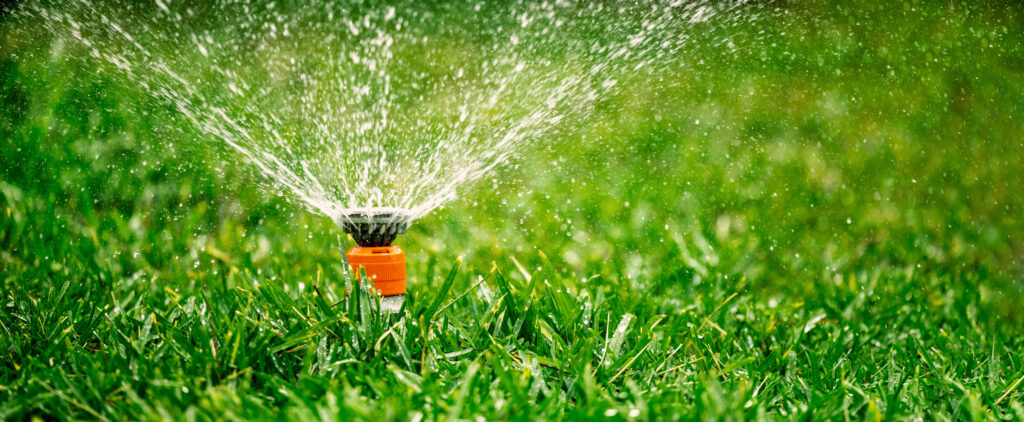
The instinct on fast-draining soil is to water deeply and infrequently, which is standard advice everywhere. On deep sand it partly breaks down, because water applied beyond what the soil can hold simply leaves. A better pattern on very sandy sites is moderate amounts somewhat more often, for example half an inch twice a week rather than a full inch once. Check by pushing a screwdriver into the soil an hour after watering. If it slides in easily to six inches you are fine. If it stops at two, you are wetting the surface and losing the rest.
Salt, Wind, and the Coastal Strip
Properties within a few hundred yards of open water deal with salt spray and salt-laden wind, especially after a fall storm. Salt pulls moisture out of grass tissue and leaves the same scorched, tan appearance as drought. If your worst damage is consistently on the seaward side of the house, salt is a likely contributor. Rinsing the turf with fresh water after a heavy blow genuinely helps, and choosing more salt-tolerant grasses matters. Creeping red fescue and alkaligrass handle coastal exposure considerably better than bluegrass does. Winter road salt causes the same pattern along driveways and street edges.
Know the Fertilizer Rules Before You Apply
Massachusetts has statewide regulations governing turf fertilizer, including restrictions on phosphorus applications to established lawns unless a soil test shows a need, and a late-season cutoff date after which applications are not permitted. Several municipalities in this region, particularly in the Buzzards Bay and Cape watersheds, have adopted their own local bylaws that are stricter than the state rule. Check your town’s current requirements, or ask whoever treats your lawn to confirm they are following them. This is not optional paperwork. These rules exist because nitrogen leaching through sand reaches estuaries quickly.
Mow High and Leave the Clippings
Raise the deck to three and a half inches or more. On sand this is not a preference, it is a drought strategy: taller grass shades the soil surface, keeps soil temperature down, and supports proportionally deeper roots. Leaving clippings returns a meaningful share of the season’s nitrogen and slowly contributes to the organic matter you are trying to build. Bagging clippings on sandy soil is actively working against yourself. Keep the blade sharp, because a torn leaf tip loses more water than a cleanly cut one, and on this soil every bit of moisture matters.
Set Realistic Expectations by Season
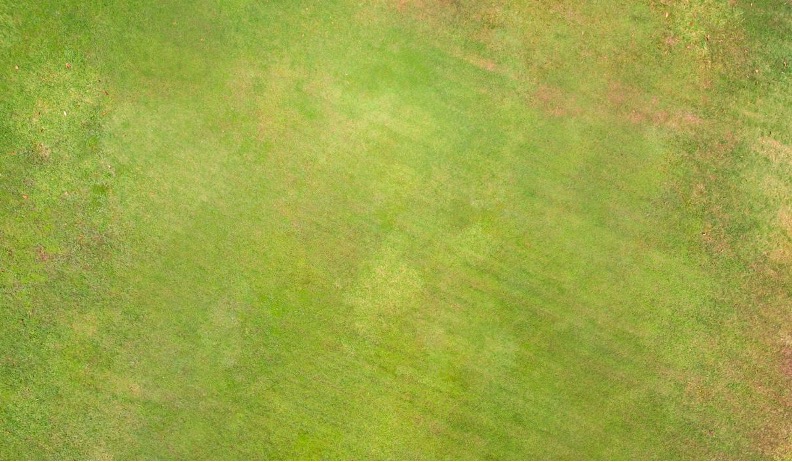
A sandy lawn in this region will never behave like an irrigated lawn on loam. In a normal year you should expect strong color from April into late June, some stress in July and August, and excellent recovery from September through November. Judging the lawn by how it looks on the first weekend of August is judging it at its worst moment. The goal of soil building is not to eliminate summer stress but to shorten it and to make recovery automatic rather than something you have to reseed for.
A Three-Year Way to Think About It
Soil work compounds, which makes it hard to sell and easy to abandon. Year one, aerate, topdress, and overseed with fescue, and you will notice better fall color and slightly less August burn. Year two, repeat, and the dry spells stop killing patches outright. Year three, the lawn holds through a normal summer with routine watering, and the reseeding you have been doing every fall becomes optional. Homeowners who quit after one season conclude that topdressing does not work, when the truth is that they stopped one quarter of the way through the actual fix.
What to Do Next
Walk the lawn this week and write down the two or three things that actually bother you about it, then work backward from the window rather than forward from today. Almost every fall mistake we see in Southeastern Massachusetts comes from starting with the calendar instead of with the lawn.
If you would rather have someone look at it with you, Lawn Squad of Southeastern Massachusetts offers a free quote. Call 833-816-7508 or find us at lawnsquad.com. Every Lawn Squad location is independently owned and operated, and our VitaminLawn fertilization and weed control program is built around the grass, soil, and conditions here rather than a national average.
A first visit is a walk of the property, a look at the thin areas, a check of mowing height and irrigation, and a straight conversation about what is realistic in the weeks left this season. At 30 days you should see color and density improve. At 90 days the lawn should be visibly thicker, with the root growth that carries it through winter.