Short Answer: It depends entirely on your grass, and in Murfreesboro the split is close to even. If you have tall fescue, fall is your one seeding window of the year and the highest value work you will do: aerate, overseed from mid September through mid October, and feed. If you have bermuda or zoysia, fall is the opposite, a season for protection rather than renovation. Finish the last feeding well before frost so you are not pushing tender growth into a cold snap, and get a fall pre-emergent down when soil temperatures drop through about seventy to stop the winter weeds that make a dormant lawn look terrible in February.
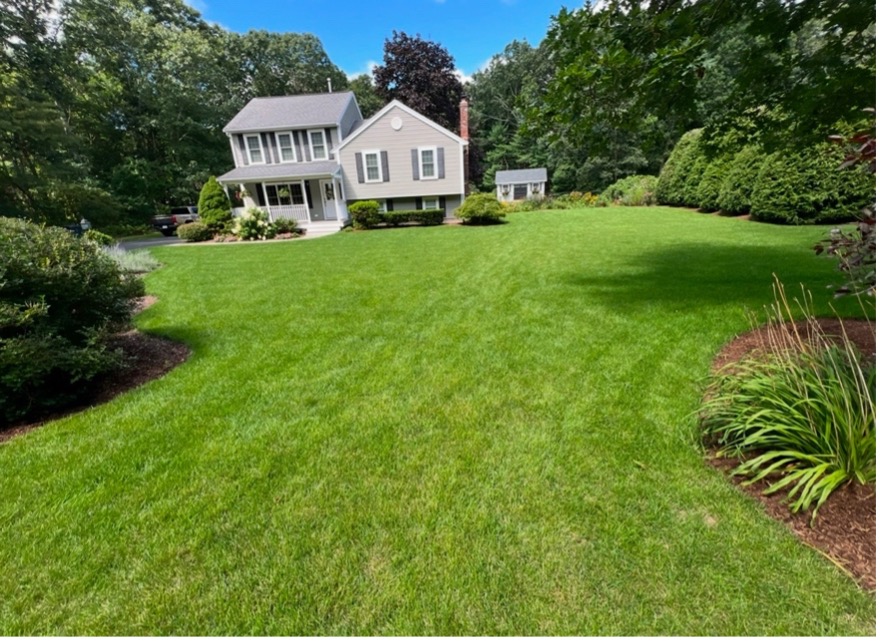
Murfreesboro sits squarely in the transition zone, and Rutherford County lawns are genuinely split between cool-season fescue and warm-season bermuda and zoysia. That makes generic fall advice close to useless here, because the correct program for one is actively wrong for the other.
So the first job is identification.
Which Grass Do You Have
The simplest test is what the lawn does in January.
Tall fescue stays green through winter. It has relatively wide blades, grows in clumps, and never sends runners across a sidewalk.
Bermuda and zoysia go completely dormant after the first hard frost and turn tan until spring. Both spread aggressively by above ground runners and underground rhizomes, which is why they creep into flower beds and across driveways.
Zoysia has a denser, more carpet like feel underfoot than bermuda and greens up later in spring.
Plenty of Murfreesboro lawns are a mix, usually because bermuda has been encroaching into a fescue lawn for years. Walk the property and note which areas are which, because they need different handling.
If You Have Fescue: Fall Is Everything
Tall fescue is a bunch grass. It does not spread. When a plant dies in summer, the gap stays a gap until somebody puts seed in it.
That makes fall overseeding the only mechanism by which a fescue lawn ever gets thicker, and skipping a year means starting next summer from a thinner stand.
The window in Murfreesboro runs roughly mid September through mid October. Work backward from frost, since a seedling needs six to eight weeks of decent growing weather to establish enough root system to survive winter.
Aerate first, then seed immediately into the open holes. Seed broadcast onto an unaerated lawn mostly lands on thatch, germinates on dew, and dies. Every aeration hole is a pocket of soil contact that dramatically raises the success rate.
Then water completely differently than you do the rest of the year: short frequent cycles keeping the top inch moist, rather than deep soaking. Once seedlings are up, stretch the interval over about four weeks back toward normal.
If You Have Bermuda or Zoysia: Protect It
Everything above would waste your money. Warm-season grasses are not seeded in fall and should not be pushed to grow now.
The critical decision is when to stop feeding. These grasses need to harden off before dormancy, moving resources into stolons, rhizomes, and roots and building cold tolerance. Nitrogen applied late interrupts that and forces tender new growth exactly when the plant should be shutting down.
That tender tissue is what gets killed by the first hard cold event, and winter kill on bermuda and zoysia in this region frequently traces back to a late fall feeding. The working guideline is to make the last nitrogen application about six weeks before the average first frost.
What fall is genuinely for on these lawns is the pre-emergent application, discussed below.
Fall Pre-Emergent and Why It Matters More Here
Winter annual weeds germinate as soil cools, grow through winter while your lawn is dormant, then explode in early spring. Henbit, chickweed, deadnettle, and annual bluegrass are the usual cast.
On a dormant bermuda or zoysia lawn these are far more visible than they would be in a green fescue lawn, because green weeds against tan dormant turf stand out badly from December through March. That is why fall pre-emergent is close to universal advice on warm-season lawns in this area.
The trigger is soil temperature falling through roughly seventy degrees and heading down, not a calendar date. In Murfreesboro that usually lands in September, but it moves by a couple of weeks depending on the year.
Applied at the right moment it prevents nearly all of them. Applied two weeks late it prevents almost none, because pre-emergent has no effect on a weed that has already germinated.
The one conflict to plan around: pre-emergent cannot tell grass seed from weed seed. If you are overseeding fescue, you generally skip it on those areas.
Perennial Weeds Are Best Handled Now
This one applies to both grass types.
Autumn is the best time of year to control dandelion, clover, plantain, and ground ivy. In fall these plants move sugars down into their roots for winter storage, and a systemic herbicide applied then travels the same pathway and reaches the root rather than just burning off the top.
Spring applications on perennials often look impressive for a week and then the weed returns from an untouched root. Fall applications actually kill them.
The seeding waiting period applies here too, typically around four weeks either side, so sequence it against your overseeding rather than doing both in the same week.
Compaction and Our Soil
Rutherford County has areas of shallow soil over limestone and areas of heavy clay, and both create rooting problems in their own way.
Shallow soil over rock limits how deep roots can go regardless of what you do, which means those lawns dry out faster and need more careful watering rather than more product.
Clay compacts, and a compacted lawn roots in the top inch and fails in July. Core aeration addresses it directly, and fall is when the grass can recover from the operation. For warm-season lawns, note that aeration is better done in late spring or summer when they are actively growing.
Test it yourself with a screwdriver pushed into moist soil. Stopping at two inches means compaction is limiting the lawn.
A Simple Fall Checklist
- Identify your grass before buying anything.
- Fescue: aerate, overseed mid September to mid October, starter fertilizer, short frequent watering for three weeks.
- Bermuda or zoysia: last feeding about six weeks before frost, no renovation, fall pre-emergent on a soil temperature trigger.
- Both: treat perennial broadleaf weeds in fall, sequenced around any seeding.
- Both: keep mowing until growth stops, bringing height down gradually over the last several cuts.
- Both: get a soil test, because our soils vary a lot across the county and guessing is expensive.
Living With Both Grasses on One Property
This is common enough in Murfreesboro to deserve its own answer, because the mixed lawn is where people get most frustrated.
Bermuda spreads by stolons above ground and rhizomes below, and it will advance into an adjacent fescue lawn steadily every summer. In July it shows as patches of finer, faster growing grass. In January those same patches are tan while the fescue around them is green, which is when most homeowners finally notice how much ground it has taken.
There is no selective herbicide that removes bermuda from fescue cleanly. That is the uncomfortable truth, and anyone promising otherwise is overselling.
The realistic options are three. Manage it with practices that favor fescue, meaning higher mowing and adequate irrigation, which slows bermuda without stopping it. Spot kill the bermuda patches with a non selective product and reseed those areas in the fall window, accepting that it will creep back from the edges. Or decide which grass you would rather have and convert the whole lawn, which is the only permanent answer.
What does not work is doing nothing, because bermuda does not stop advancing on its own.
What to Do Next
Walk the lawn this week and write down the two or three things that actually bother you about it, then work backward from the window rather than forward from today. Almost every fall mistake we see in Murfreesboro comes from starting with the calendar instead of with the lawn.
If you would rather have someone look at it with you, Lawn Squad of Murfreesboro offers a free quote. Call 833-816-7508 or find us at lawnsquad.com. Every Lawn Squad location is independently owned and operated, and our VitaminLawn fertilization and weed control program is built around the grass, soil, and conditions here rather than a national average.
A first visit is a walk of the property, a look at the thin areas, a check of mowing height and irrigation, and a straight conversation about what is realistic in the weeks left this season. At 30 days you should see color and density improve. At 90 days the lawn should be visibly thicker, with the root growth that carries it through winter.