Short Answer: Seed that does not grow almost never failed because it was bad seed. It failed because it never touched soil, or because it dried out once during germination. Seed needs firm contact with actual soil, not thatch, and it needs the top inch kept consistently moist until it germinates and for a couple of weeks after. That means short, frequent watering rather than the deep soaks that are correct the rest of the year. Get contact and moisture right and ordinary seed succeeds. Get them wrong and the best seed on the market will not save you.
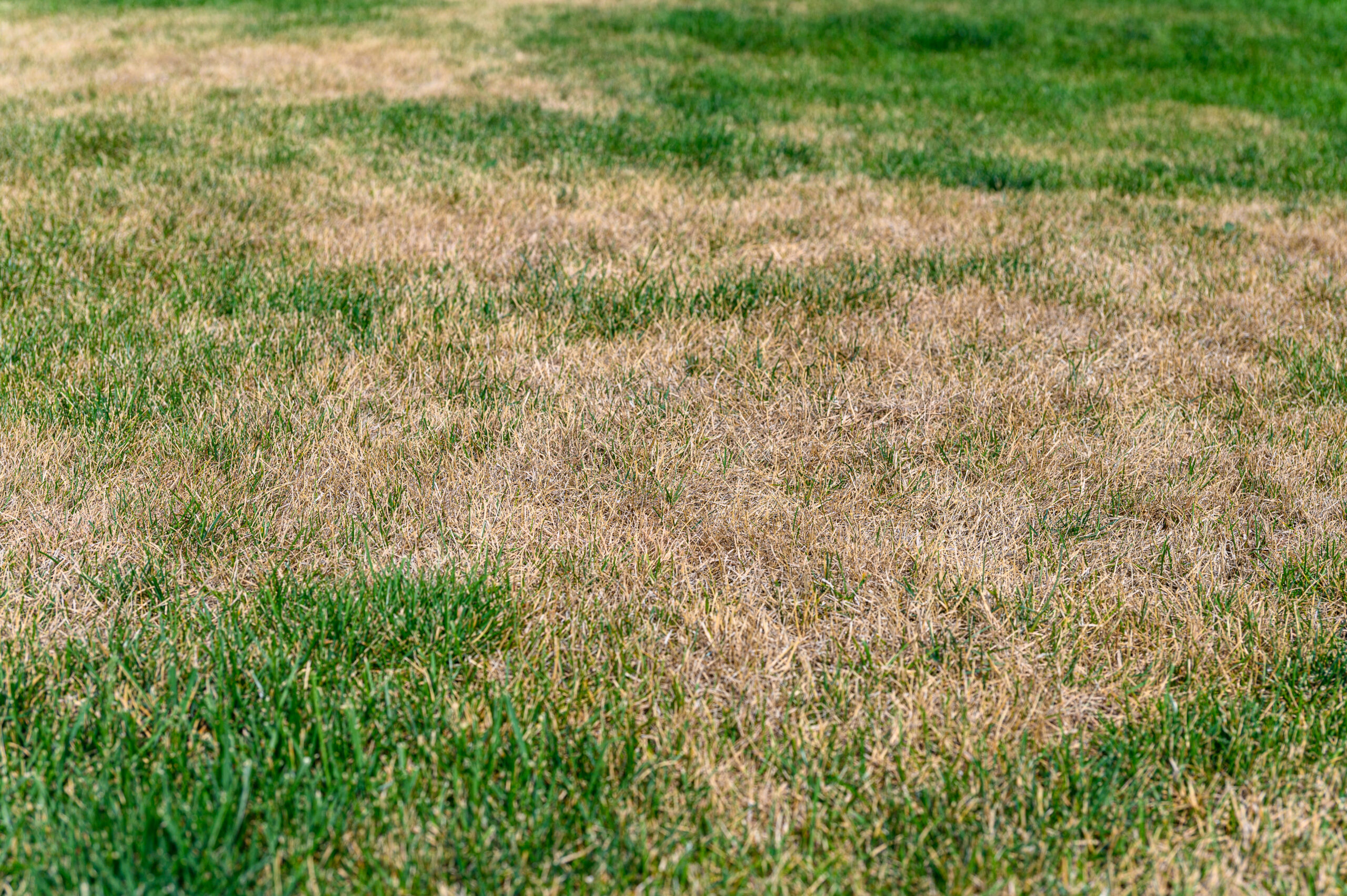
Every fall we get called out to look at lawns that were overseeded a few weeks earlier and did essentially nothing. The homeowner is frustrated, usually blames the seed, and often bought the most expensive bag available.
The seed is almost never the problem. Two things decide whether overseeding works, and neither of them is on the bag.
The Two Things That Actually Matter
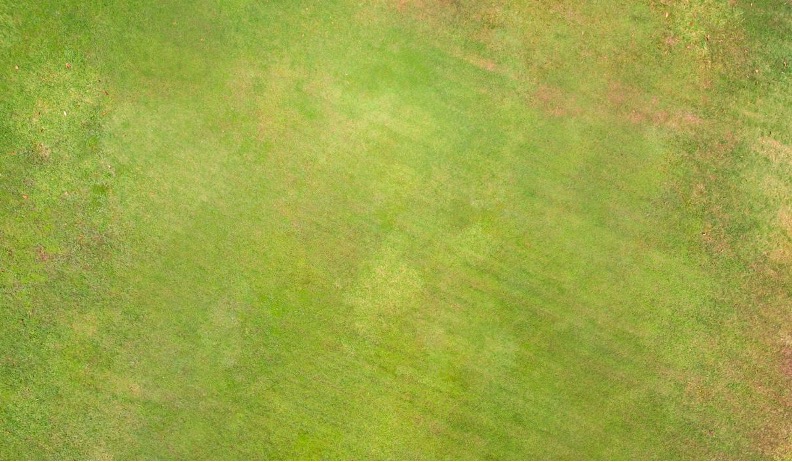
Seed to soil contact is the first. A grass seed needs to be touching soil, held firmly enough that moisture transfers into it consistently. Seed lying on top of thatch, or sitting on a hard crusted surface, or resting on top of existing grass, is not in contact with anything. It will absorb dew, begin to germinate, and then dry out and die, which is why so many failed overseeding jobs show a faint fuzz of green about ten days in and nothing after.
Continuous moisture is the second. Germination is not a single event you can water toward and then stop. The seed swells, the root emerges, and that root is tiny and sitting in the top fraction of an inch of soil, which is the fastest part of the profile to dry out. One hot afternoon where that layer goes dry can kill an entire seeding.
Everything else in this article is in service of those two facts.
Getting Contact: The Part Most People Skip
Broadcasting seed across an existing lawn and hoping is the most common approach and the least effective.
Core aeration before seeding is the standard answer for a reason. Every hole is a pocket of exposed soil that holds moisture and shelters the seed. Seed that falls into an aeration hole germinates at a dramatically higher rate than seed that lands beside it.
Slice seeding, sometimes called slit seeding, is the other strong option. The machine cuts shallow grooves and drops seed directly into them, which produces excellent contact in a single pass. On badly thinned lawns it often outperforms aeration plus broadcast.
For small bare patches, loosen the top inch of soil with a rake, scatter seed, press it in firmly with your foot or a roller, and cover very lightly with compost or fine soil. Lightly is the operative word. Seed buried more than about a quarter inch does not have the energy reserves to reach the surface.
Whatever the method, if thatch is heavy, address it first. Seeding onto a thick thatch layer is the single most reliable way to waste a bag of seed.
Rates: More Is Not Better
Overseeding rates are lower than new lawn establishment rates, and exceeding them causes problems rather than solving them.
Seed sown too heavily produces seedlings competing directly with each other for light, water, and nutrients in a very small area. The result is a dense stand of weak, spindly plants that thin out badly under the first stress they meet. It also raises disease risk, because crowded seedlings hold humidity around each other.
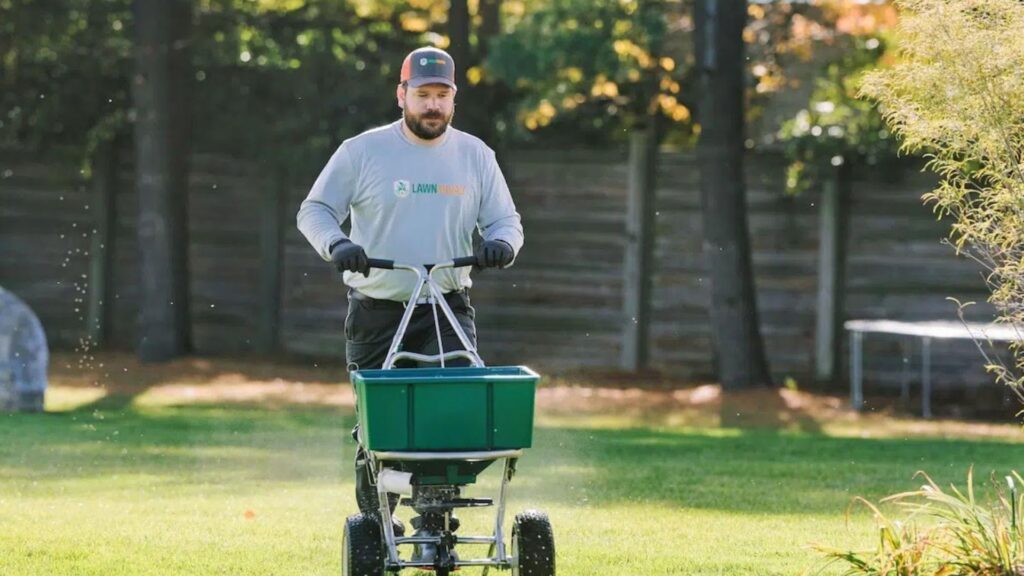
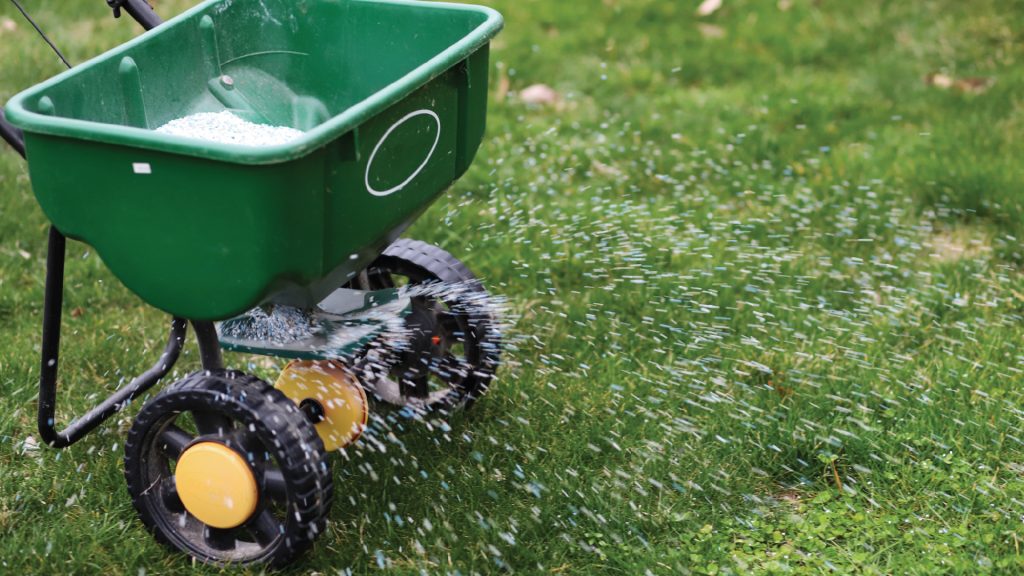
Follow the overseeding rate on the bag rather than the new lawn rate, and resist the instinct to add extra for insurance. Calibrate the spreader, or at minimum apply half the seed walking north to south and the other half east to west, which evens out the distribution far better than one heavy pass.
The Three Weeks That Decide It
This is where results are won and lost, and it is entirely about water management.
From seeding until germination, the goal is to keep the top inch consistently moist without saturating it. In practice that usually means light watering two or three times a day in warm weather, less as temperatures drop. This feels wrong to anyone who has been told to water deeply and infrequently, and it is genuinely the opposite of correct practice for an established lawn. Both rules are right, for different situations.
Germination timing varies by species. Perennial ryegrass typically moves in five to ten days. Tall fescue runs about seven to fourteen. Kentucky bluegrass is the slow one at fourteen to thirty days, which matters because a blend containing bluegrass will look patchy for weeks while the faster species come up first. That is normal and not a sign of failure.
After germination, begin extending the interval and increasing the volume, pushing roots downward. By about four weeks you should be moving back toward normal watering. Cutting back too quickly is the most common late failure, because seedlings that germinated fine still have almost no root system.
Protecting the Investment
A few things will undo good work.
- Do not apply broadleaf weed control before or shortly after seeding. Nearly every product carries a waiting period, commonly around four weeks on either side, and ignoring it kills seedlings.
- Keep traffic off. Foot traffic, pets, and mower wheels all damage seedlings that have no anchorage yet.
- Wait to mow until new grass reaches roughly three to four inches, then cut no more than a third of the height with a sharp blade. A dull blade pulls unrooted seedlings straight out of the ground.
- Hold off on heavy nitrogen. A starter fertilizer at seeding is appropriate. Pushing top growth on plants that have not built roots produces exactly the wrong result.
Choosing Seed Without Overthinking It
Match the species to your climate and your light, then read the label rather than the front of the bag.
The label tells you what actually matters: the percentage of each species, the germination rate, the inert matter, and critically the weed seed and other crop content. A cheap bag with high inert matter and measurable weed seed is not a bargain, because you are paying to introduce weeds into a lawn you are trying to thicken.
Named cultivars generally outperform generic listings, and blends of several improved cultivars outperform single varieties because they spread the risk across different disease and drought tolerances.
When Overseeding Is the Wrong Tool
Overseeding thickens a thin lawn. It does not fix the reason the lawn got thin, and that distinction saves people a lot of money.
If an area is thin because it is too shaded, seed will germinate and then decline on the same schedule the last stand did. The honest options there are pruning to raise the canopy and let light through, switching that area to a more shade tolerant species, or accepting that it wants to be a bed rather than turf.
If an area stays wet, seed will rot or the seedlings will drown. Drainage comes first, then seed.
If the thinning follows a compaction pattern, along paths and where cars park, aeration addresses the cause and seed addresses the symptom. Doing only the second means repeating it every year.
And if the lawn is thin because the wrong grass is planted for the site, more of the same seed produces more of the same result. That is the case where a renovation, rather than an overseeding, is the cheaper answer over three years.
Seed is inexpensive relative to the labor around it, so it is tempting to reach for it first. It works best as the finishing step after whatever caused the thinning has been dealt with.
What to Do Next
Before you buy seed, go look at the surface you intend to seed into. Push your fingers down through the grass to soil. If you meet a springy brown layer first, that is thatch, and it has to be dealt with before seed goes anywhere.
Then be honest about water. If you cannot commit to keeping that top inch moist for the next three weeks, whether by irrigation or by hand, wait for a better window rather than spending the money now.
If you would rather have someone handle it, find your local Lawn Squad at lawnsquad.com or call 833-816-7508 for a free quote. Every Lawn Squad location is independently owned and operated, and each one builds its VitaminLawn fertilization and weed control program around the grass type, soil, and climate where you actually live, not around a national average.
Here is what to expect from us. We will look at thatch and contact before recommending a seeding method, tell you what the realistic germination timeline looks like for the blend going down, and be straight with you about whether your watering situation supports doing this now or waiting.