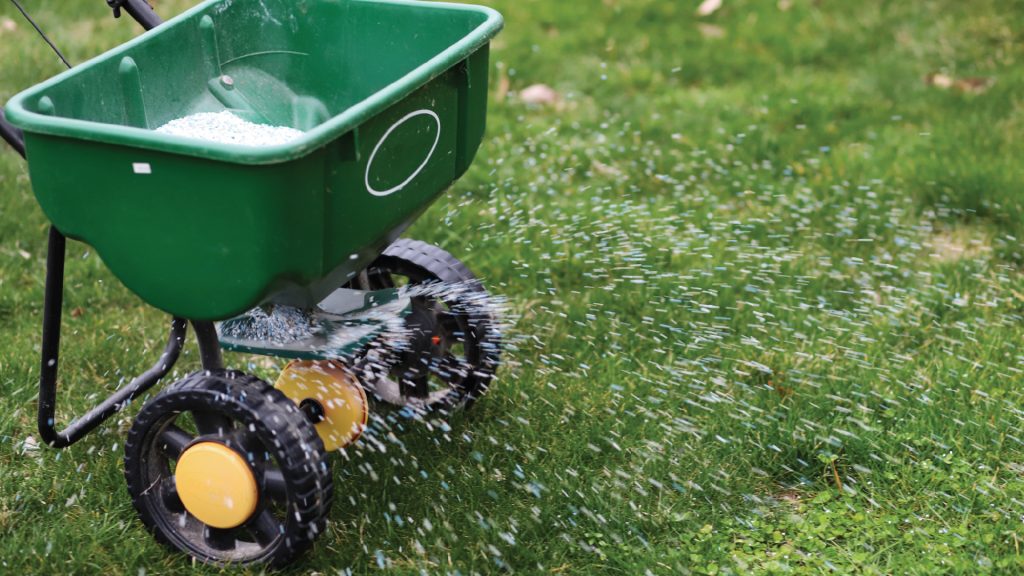

Short Answer: September is the highest value month of the year for lawns, and what it asks of you depends entirely on your grass. If you grow cool-season grass, this is the aeration and overseeding month, and the window closes faster than most homeowners expect. If you grow warm-season grass, this is the month to get fall pre-emergent down on a soil temperature trigger and to plan the final feeding rather than to renovate. Transition zone lawns are on the tightest schedule of anyone, because tall fescue gets one real seeding window a year and this is it. The work is not hard. The timing is the whole job.
There is a particular kind of September optimism that shows up in our inbox every year. The heat has finally broken, the lawn has stopped looking actively unhappy, and the homeowner is ready to fix everything at once. It is a good instinct and it is the right month for it. The trouble is that September rewards a narrow set of correct moves and quietly punishes the rest, and the difference between the two is almost never effort. It is timing.
August is the setup month. September is the month the work actually happens, and unlike most of the year, it does not wait for you. A seeding window that closes on the fifteenth does not reopen because you got busy.
Why September Carries More Weight Than Any Other Month
Three things line up in September that do not line up together at any other point in the year, and they are the reason this month decides so much.
Soil temperature falls into the range where roots grow fastest while air temperature drops out of the range that stresses the plant. Grass spends the summer defending itself. In September it goes back to building, and everything you put into the soil now gets used rather than merely survived.
Weed pressure shifts. The summer annuals are finishing their life cycle and are no longer the problem. The winter annuals have not germinated yet, which means this is the one month where you can act before a weed problem exists instead of after.
And day length shortens on a fixed schedule that no amount of warm weather will change. This is the part homeowners miss most often. A warm October does not extend a seeding window, because the limiting factor is light and soil temperature trending down, not a single mild afternoon.
Cool-Season Lawns: This Is The Month
If you grow Kentucky bluegrass, perennial ryegrass, fine fescue, or tall fescue, September is not one option among several. It is the single best thing you will do for your lawn all year.
Core aeration followed immediately by overseeding is the standard, and the order matters. Aerating opens the soil and gives seed somewhere to land that is not the thatch layer. Seeding into an unaerated lawn puts most of your seed where it will germinate and then die.
Work backward from your first hard frost rather than forward from today. A seedling needs somewhere in the range of six to eight weeks of decent growing weather to establish well enough to survive a winter. In the northern half of the cool-season range that math puts you at the start of September, not the end. Further south in the zone you have more room, into early October in some years.
Fall fertilization belongs here too, and this is where cool-season lawns get their most valuable feeding of the year. Nitrogen applied now goes into root development and carbohydrate storage rather than into the flush of top growth that spring feeding produces. It is the least visible application you will make and the one that matters most.
Warm-Season Lawns: Protect, Do Not Renovate
Bermuda, zoysia, centipede, and St. Augustine are on the opposite schedule, and the most common September mistake in this zone is treating fall like a growth opportunity.
These grasses are heading toward dormancy. Pushing top growth now with heavy nitrogen produces tender tissue going into the first cold event of the season, which is a reliable way to get winter injury on a lawn that would otherwise have been fine. The last meaningful feeding of the year should be timed well before dormancy, not squeezed in at the edge of it.
What September is genuinely for in the warm-season zone is the fall pre-emergent application. Winter annual weeds, the ones that make a dormant lawn look patchy and unkempt from December through March, germinate when soil temperatures fall through the mid sixties. Getting a barrier down before that happens is the entire ballgame, and it is far easier than removing those weeds later.
The trigger is soil temperature, not a date. That distinction costs people every year, because the calendar date that worked last season can be two weeks off this season.
The Transition Zone: The Tightest Schedule In The Country
The band where cool-season and warm-season ranges overlap is the hardest place to grow grass, and September is where that difficulty concentrates.
If you grow tall fescue here, you get one real seeding window a year and this is it. Fescue does not spread meaningfully on its own, which means a thin fescue lawn stays thin until somebody puts seed down. Miss the window and you are looking at the same lawn until next fall.
If you grow bermuda or zoysia in the same region, you are on the warm-season schedule instead, with the added complication that your lawn will go dormant and turn tan while your neighbor’s fescue stays green. That is not a problem to fix. It is what the grass does.
A lot of transition zone properties have both, in patches, from years of different decisions. Sorting out which is which before you buy anything is worth an afternoon.
What Everyone Should Be Doing, Regardless Of Zone
A few items apply across every climate.
- Get a soil test moving now, so that amendments go down with this fall’s work rather than a season later.
- Reprogram irrigation. Summer settings overwater a September lawn, and new seed needs the opposite pattern entirely: short and frequent rather than long and deep.
- Keep mowing. Growth picks back up in fall on cool-season lawns, and letting it get away from you undoes the rest.
- Scout before you treat. Fall damage from grubs, armyworms, and disease all look similar from the porch and need different responses.
- Stay off newly seeded areas, including with the mower, until the new grass has been cut two or three times.
What to Skip
September has its own list of things that sound productive and are not.
Do not apply broadleaf weed control to an area you plan to seed within a few weeks. Nearly every product carries a waiting period, and ignoring it wastes the seed rather than the herbicide.
Do not dethatch as a reflex. Core aeration handles moderate thatch and is far less disruptive. Dethatching a lawn that does not need it removes cover the lawn cannot replace before winter.
And do not seed a lawn you cannot water. Consistent moisture for the two to three weeks after seeding is not optional, and seed put down without that plan is money spread on the ground.
What to Do Next
Identify your grass type first, then your zone, then work backward from your seeding or pre-emergent window rather than forward from today. Almost every September mistake we see traces back to somebody starting from the calendar instead of from the grass.
If you would rather have someone walk the property with you, find your local Lawn Squad at lawnsquad.com or call 833-816-7508 for a free quote. Every Lawn Squad location is independently owned and operated, and each one builds its VitaminLawn fertilization and weed control program around the grass type, soil, and climate where you actually live, not around a national average.
A first visit is usually a walk of the property, a look at the thin areas, a check of mowing height and irrigation, and a straight conversation about what is realistic in the weeks you have left this season. At 30 days after a well timed fall start, you should see color and density improve and new seedlings filling gaps. At 90 days, the lawn should be visibly thicker, with the root growth that carries it through winter and gives it a real head start next spring.