When Should Fall Pre-Emergent Be Applied for Winter Weeds?
Short Answer: Fall pre-emergent is timed to soil temperature, not to a calendar date. The trigger is soil in the top few inches cooling back to roughly seventy degrees for several consecutive days, which is when poa annua, henbit, and chickweed begin germinating. That happens in late August or early September in the arid West and cool-season North, mid to late September across the transition zone, late September into October in the warm-season South, and as late as October or November in tropical Florida and along the Gulf. Applied after emergence, it does nothing, and by spring the weeds have already set seed.
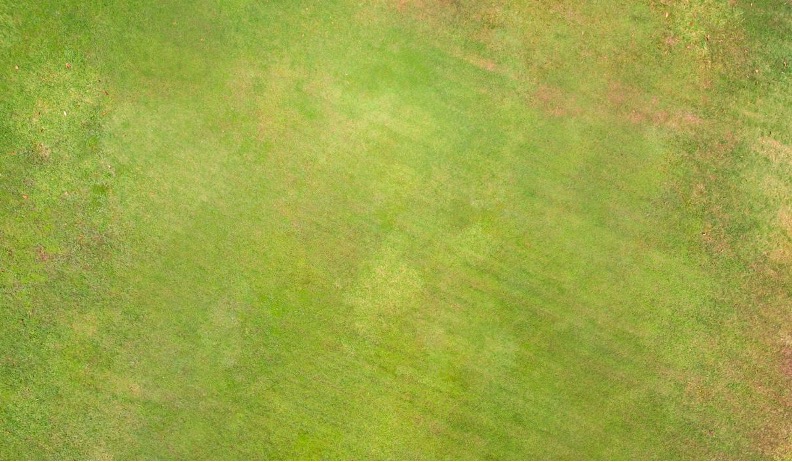
Picture the lawn in early March. The turf is still the color of a paper bag, mostly asleep, and scattered through it are patches of something aggressively, almost obnoxiously green. Get closer and it is a low clumping grass with pale seedheads that are already up, or a mat of small round leaves with purple flowers running along the edge of the bed. It looks like the weeds woke up first. They did not. They have been there since October, sitting an inch tall in a lawn nobody was looking at.
The frustrating part for most homeowners is that spring weed control feels like it should be the answer and never quite is. You are not doing it wrong. You are doing it late, by about five months.
Winter Annuals Run a Backwards Calendar
A winter annual germinates in fall, survives cold as a small, low growing plant, resumes growth the moment temperatures moderate in late winter, flowers and sets seed in early spring, and then dies as the weather warms. That last part matters more than people expect. Poa annua does not get pulled out or killed off in June. It dies on schedule, and when it does, it leaves bare ground in the middle of your lawn right as summer heat arrives, plus a seed bank waiting for fall.
So the whole life cycle happens during the months you are least engaged with the lawn. Every part of the plant’s plan depends on going unnoticed until it is finished. Pre-emergent works by putting a chemical barrier in the top layer of soil so those seeds cannot establish a root when they germinate. It has to be in place before germination, which means the entire decision is a timing decision.
Know the Three You Are Preventing
Poa annua, or annual bluegrass, is the headliner nearly everywhere. It is a lighter, apple green than your turf, grows in clumps rather than spreading evenly, and produces whitish seedheads so persistently that it will push them out even at low mowing heights. Pull a blade and the tip is shaped like the front of a boat. In a dormant warm-season lawn it is impossible to miss, which is exactly why it drives people crazy in February.
Henbit grows upright, six inches or so, with a square stem you can feel by rolling it between your fingers, scalloped leaves that wrap directly around the stem in the upper whorls, and small purple flowers. Common chickweed is the opposite in habit, a dense prostrate mat with small pointed oval leaves in opposite pairs and tiny white star shaped flowers, favoring shade, moisture, and compacted spots. All three want the same thing: bare soil and thin turf in autumn.
The Trigger Is Soil Temperature, Not a Date
The number to watch is soil temperature in the top two to four inches, cooling back down to roughly seventy degrees and holding there for several consecutive days. Air temperature will mislead you badly. A stretch of cool nights in early September does not mean the soil has cooled, because soil lags well behind air, and in a wet year with cloud cover it cools faster than in a dry sunny one. This is why the same calendar date can be perfect one year and two weeks early the next.
Erring early is far better than erring late. A pre-emergent that goes down a week or two before the trigger simply sits and waits. A pre-emergent that goes down a week after germination has started is money spent on the weeds that have not sprouted yet, while the ones already up continue as though nothing happened, and those are the ones you will see in March.
Every Climate Zone Runs a Different Window
In the cool-season North, soils cool early, so the window can open in late August. Fall there is also seeding season, and the two jobs conflict, so the honest answer for many northern lawns is that a fall pre-emergent is a targeted decision for properties with a real poa annua history rather than an automatic step. In the transition zone the window generally lands mid to late September, and it collides directly with fescue seeding, which means the plan has to be sequenced deliberately rather than assumed.
Across the warm-season South the window is usually late September into early October, and this is where fall pre-emergent does its most visible work, because dormant bermuda and zoysia make every winter weed stand out like paint. In the arid West, irrigated bluegrass in the Intermountain valleys cools early, often putting the window in early to mid September, with poa annua concentrating along sidewalk edges and irrigation heads. In tropical Florida and along the Gulf, soil holds heat the longest and the window can stretch into late October or November, which is why homeowners moving south from the North so often apply months too early and get nothing for it.
Why One Application Often Is Not Enough
Winter annuals do not germinate all at once. They come in waves across several weeks as soil temperatures drift down, and every pre-emergent has a finite residual life in the soil that shortens with rainfall, irrigation, and warm weather. A single application timed at the front of the window frequently runs out of protection while seeds are still coming up, which produces a lawn that looks mostly clean with an irritating late flush of poa in December and January.
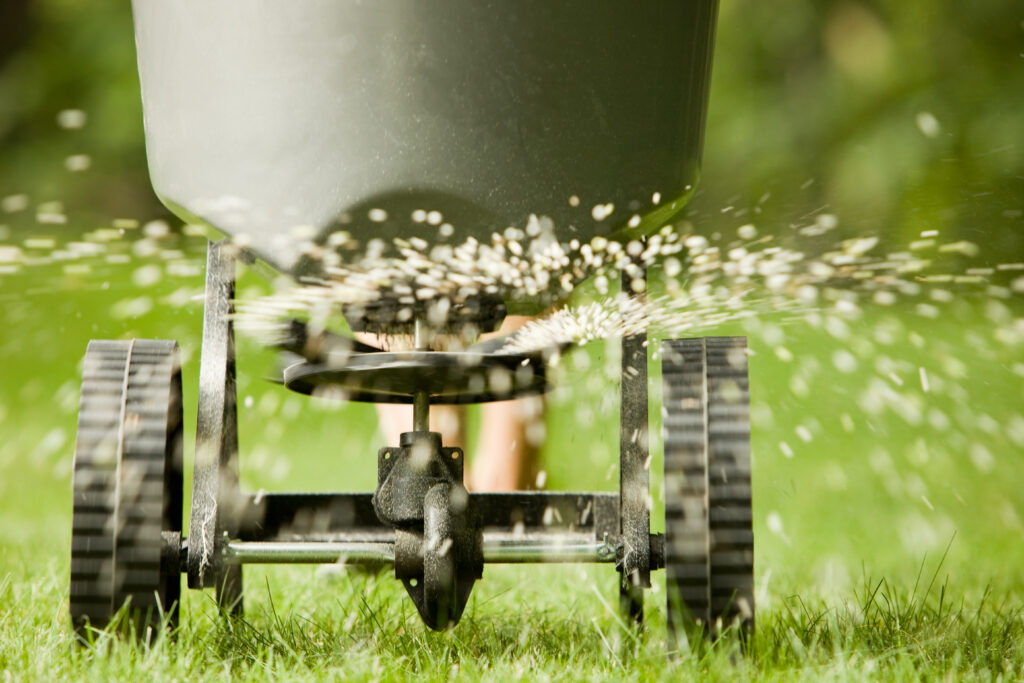
That is why we generally build fall control as a split program, with an initial application at the trigger and a follow up several weeks later to carry protection through the full germination period. Both applications need to be watered in, roughly half an inch of irrigation or rainfall, to move the product off the leaf blades and into the top layer of soil where the barrier forms. Until that happens the application is not doing anything. Afterward, avoid disturbing the soil surface. Core aeration, dethatching, or heavy raking through a treated area breaks the barrier and opens a path for exactly what you paid to prevent.
What Pre-Emergent Cannot Do
Two limits deserve straight talk. First, pre-emergent does not kill anything that has already emerged. If poa or chickweed is visible, that population needs a different approach, and options for removing poa from an established lawn are limited and grass type dependent. Second, and this is the one that surprises people, pre-emergent does not know the difference between weed seed and grass seed. It will stop your overseeding just as effectively as it stops henbit.
You cannot broadcast a standard fall pre-emergent and overseed the same area in the same season and expect both to work. A small number of products are labeled for use at seeding time, but the general rule holds. The realistic answer is to decide by area: seed the thin sections that need grass, and treat the established sections that do not. That decision is the whole conversation, and it is worth having before either job is scheduled.
What to Do Next
Start by looking at photographs of your own lawn from last February and March. If you see pale clumpy grass or purple flowers, you have a winter annual problem and a fall application will change your spring more than anything else you could buy. Then decide, area by area, whether that section needs seed or needs prevention, because it cannot have both.
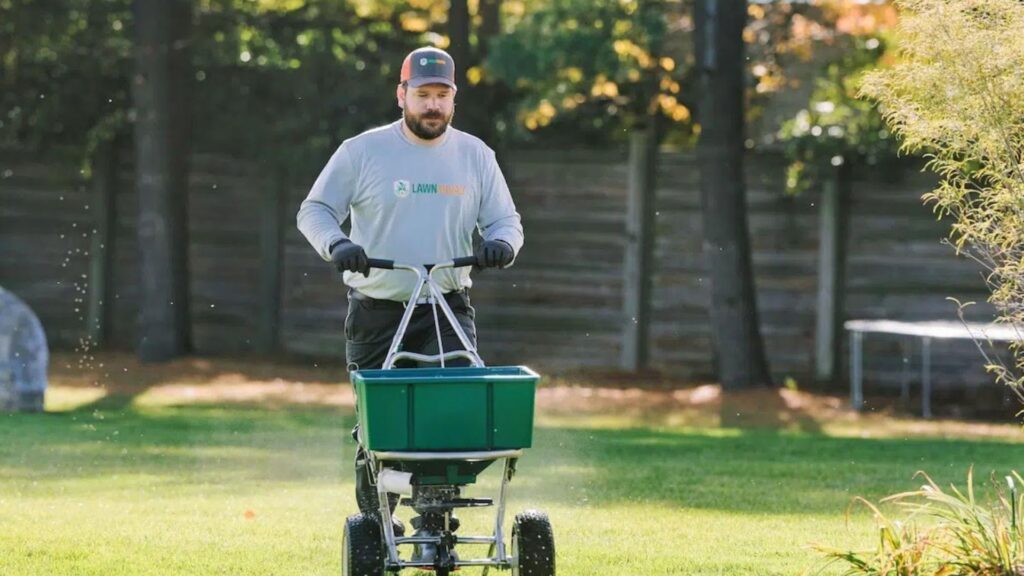
Find your local Lawn Squad at lawnsquad.com or call 833-816-7508 for a free quote. Every Lawn Squad location is independently owned and operated, and the team near you builds its VitaminLawn program around your grass type, soil, and climate, which is what determines your actual trigger date rather than a national average. A first visit is a walk of the property, a weed history conversation, and a written sequence for the fall. At thirty days after the first application you will see nothing at all, which is the point. At ninety days, in the middle of winter, the difference becomes obvious: your lawn stays a uniform dormant color while the neighbors develop green clumps. Come March, that is the lawn you wanted.