Does My West Houston Lawn Have Chinch Bugs or Is It Just Drought Stressed?
Short Answer: Water the suspect area deeply and check it two days later. Drought stressed St. Augustine greens back up. Chinch bug damage keeps spreading no matter how much you water, because the insects are draining the plant from the inside. Chinch bugs work the hottest, sunniest, driest ground first, which in our area means the strip along a south facing driveway, the curb edge, and the sunbaked corner by the mailbox. Confirm with a coffee can flush: press an open ended can into the soil at the border of the damage, fill it with water, and watch for small dark insects floating up.
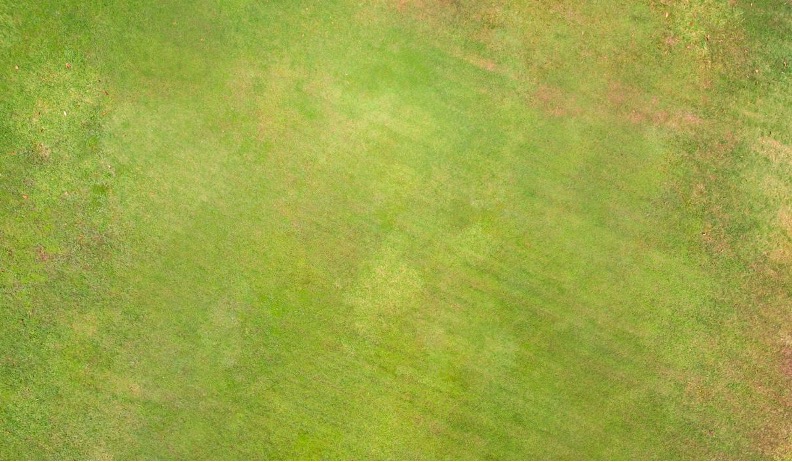
The pattern is always the same, and once you have seen it a few times you can spot it from the car. A band of St. Augustine maybe three feet wide runs alongside the driveway, and it has gone the color of a paper grocery bag while the rest of the yard is still holding green. It started small in July. Now it reaches most of the way to the sidewalk in Sugar Land, or wraps the sunny corner of a Bellaire lot where the concrete throws heat back all afternoon.
Almost everyone assumes the sprinkler. That assumption sends people down a long, expensive detour, adjusting heads and adding runtime for weeks while the brown keeps creeping.
Why the Two Look So Much Alike Here
Chinch bugs are not chewing insects. They have piercing mouthparts, they insert them into stems and crowns, they suck out plant fluid, and they inject saliva that blocks the plant’s ability to move water. The result is grass that behaves exactly like grass that cannot get water, because functionally it cannot. Same yellowing, same wilt, same eventual straw color.
Meanwhile, our black gumbo clay produces its own convincing imitation. When a genuine dry stretch hits Katy in August, that clay shrinks. It cracks, pulls away from sidewalks and slabs, and once it dries hard it repels water instead of absorbing it, so an ordinary irrigation cycle sheets across the surface and disappears down a crack. The lawn stays thirsty even though the system ran.
Two very different problems, one identical symptom. That is why the answer has to come from a test and not from a look.
Where Chinch Bugs Set Up on a West Houston Lot
These insects want heat and they want it dry. They concentrate in the parts of a property that bake: the two or three feet of turf beside a south or west facing driveway, the strip between sidewalk and curb, the sun blasted patch beside a brick wall, the ground along a light colored fence that reflects afternoon sun. Reflected and stored heat from concrete raises soil temperature in those bands well above the middle of the yard, and chinch bug populations build faster in warm, dry thatch.
They very rarely start in the shade. If the damage in your yard began under the live oaks in a back corner of a Bellaire lot, you are probably looking at something else entirely. If it started at the hottest, brightest, most exposed edge of the property and worked inward, chinch bugs move to the top of the list immediately.
Newer subdivisions on the Katy side see them heavily because those lots tend to have wide expanses of full sun St. Augustine, young thin soil profiles, and a lot of concrete relative to canopy. Heavy thatch makes it worse, since thatch is where the insects shelter and where insecticide struggles to reach.
The Watering Test Anyone Can Run
Start here, because it costs nothing. Take the suspect area and water it deeply, well beyond a normal cycle, enough to genuinely wet the top several inches. Then leave it alone and look again in forty eight hours.
Turf that was simply short of water responds. The blue gray cast lifts, blades unfold, footprints stop staying visible, and color begins returning from the base of the plant upward. Turf under chinch bug pressure does not respond that way. It may darken briefly from surface moisture and then continue declining, and the outer edge of the dead area will have advanced. That advancing edge under generous water is one of the most reliable signals in this entire diagnosis.
One caution. If your gumbo has gone hard and hydrophobic, a single heavy cycle can run off before it soaks. Break that water into two or three passes an hour or two apart so it actually penetrates. Otherwise you will get a false answer.
The Coffee Can Flush
This is the confirmation step, and it takes about ten minutes. Cut both ends out of an empty coffee can. Choose a spot at the boundary where dying grass meets healthy grass, since that is where the population is actively feeding rather than in the dead zone they have already emptied. Twist and press the can two or three inches into the soil, then fill it with water and keep it topped up for five minutes or so.
Chinch bugs float. Adults are small, around a fifth of an inch, black with white wings folded flat across the back so they show a rough dark triangle or X shape. The nymphs are what usually give it away: bright orange to red, smaller than a grain of rice, with a pale band across the middle, darkening as they mature. You will typically see a range of sizes together, because generations overlap through our long season.
If the can will not seat in hard clay, an alternative works nearly as well. Part the grass at the damage border, get your face close to the thatch, and brush your fingers through it while watching for quick moving specks. Crush a few and you will notice a distinctly unpleasant odor, which longtime homeowners here recognize instantly.
Finding a couple of insects is not automatically a problem. Healthy St. Augustine tolerates a low population. Damage plus a flush that produces a noticeable cluster, roughly twenty or more in that small area, is the combination that calls for treatment.
Treating Chinch Bugs Without Wasting the Application
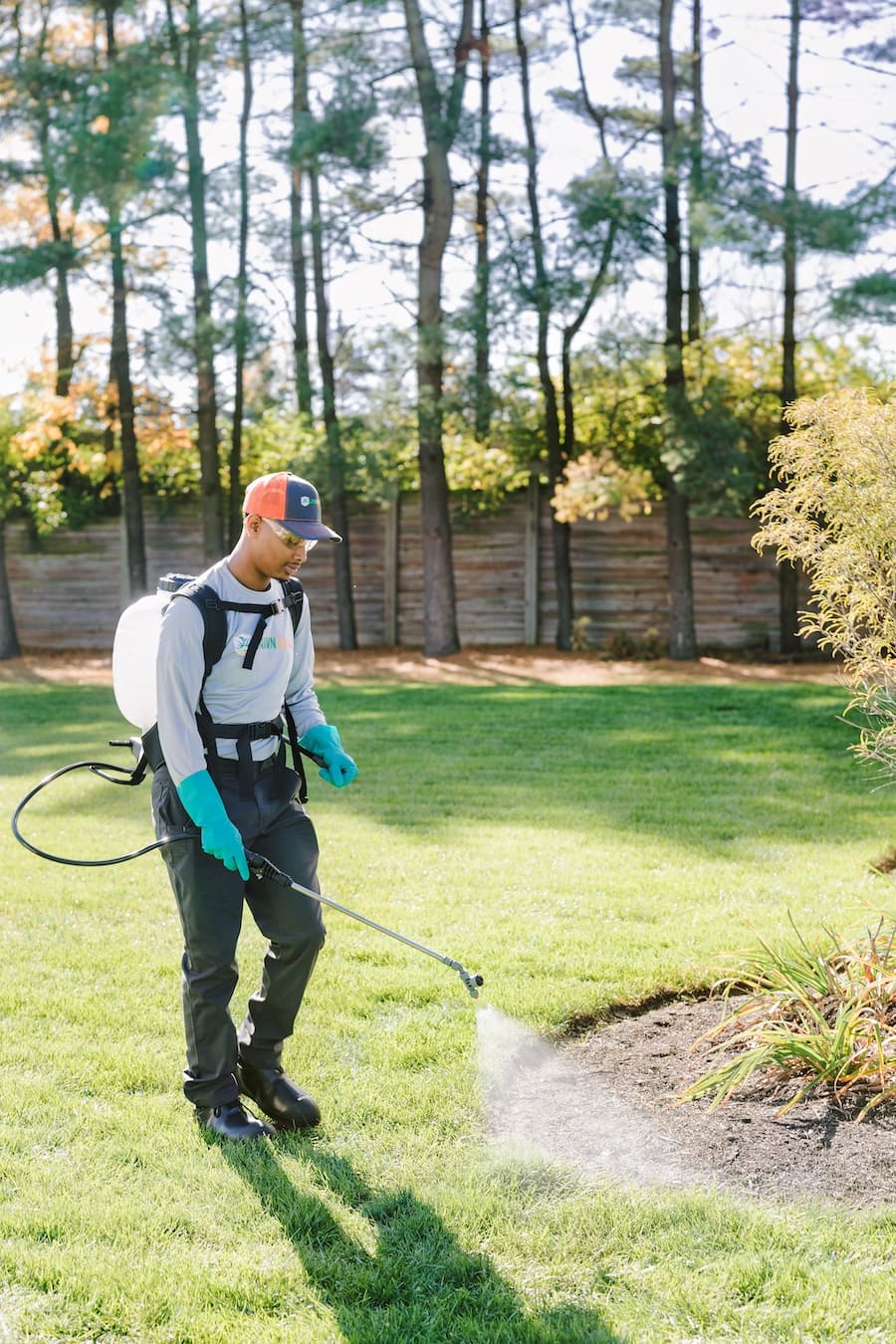
Two things determine whether a treatment works here. The first is coverage of the right ground. Treating only the visibly dead strip misses the population, which has already moved into the still green turf just beyond it. We treat the damaged area plus a wide buffer of healthy grass around it, and often the full sun perimeter of the property.
The second is getting material past the thatch. Chinch bugs live down at the soil and thatch interface, not up on the leaf, so a light surface spray on a thick lawn accomplishes very little. Watering the treatment in appropriately, and reducing thatch over time, both matter more than which bottle you buy. Where lawns have a spongy layer you can feel underfoot, addressing that layer is part of the long term answer.
Expect the spread to stop within days of a good treatment. Regrowth is slower. St. Augustine fills damaged areas back in from surrounding runners rather than from seed, so a small area may knit closed in a few weeks while a large one takes into fall or needs plugs or sod.
If It Is Actually Water, Fix the Cause
When the flush comes up empty and the watering test brought color back, the work shifts to irrigation and soil. Run each zone and watch it: heads sunk below grade in settled clay, heads blocked by grown out shrubs, and mismatched nozzles within one zone are the three problems we find most often in Katy and Sugar Land yards.
Then address the clay itself. Compacted gumbo takes water slowly, so shorter repeated cycles beat one long soak. Core aeration opens it. Raising your mowing height shades the soil and cuts evaporation, and it is one of the few free changes that helps immediately in August. Over a season or two, soil amendments and steady organic matter make that clay behave less like pavement and more like soil.
What to Do Next
Run the watering test tonight and the can flush in two days. Between those two, most homeowners get a clear answer without spending anything, and you will know whether you are buying an insect control product or fixing a sprinkler zone.
If you would rather have it confirmed, call us at 713-489-6519 or start at lawnsquad.com for a free quote. We serve Katy, Houston, Bellaire, and Sugar Land. A first visit is a walk of the property together. We flush the damage border, check thatch depth, look at root condition to rule out the root diseases that also thin St. Augustine this time of year, and watch your irrigation run. You will hear plainly which problem you have, and if the fix is a sprinkler adjustment rather than a service, we will say so.
Longer term, chinch bugs return to the same hot edges year after year, which is why our lawn surface insect control is built as an ongoing watch on those zones rather than a one time rescue. Paired with the VitaminLawn program, which tunes feeding and weed control to St. Augustine growing on heavy Gulf Coast clay, the goal is turf dense enough and rooted deeply enough that a July population never reaches damaging levels. After a treatment, expect the damage to stop advancing almost immediately, visible fill from the edges by 30 days, and full closure of moderate areas by around 90 days.