How Do I Tell If My Columbus Lawn Actually Needs Core Aeration?
Short Answer: Most Columbus lawns sit on heavy clay and do genuinely benefit from core aeration, but not every lawn needs it every year, and it is worth confirming rather than assuming. The quickest check is the screwdriver test: after a normal watering, push a screwdriver into the lawn. If it slides in six inches with light pressure, your soil is open. If it stops at two or three inches, you have compaction. Water running off instead of soaking in, puddles that linger, thin worn paths, and a lawn that browns fast in dry spells all point the same direction. When those signs show up on our clay, fall core aeration is the fix.
Core aeration gets recommended so routinely in central Ohio that homeowners reasonably start to wonder whether it is real maintenance or just a service everyone upsells every fall. The honest answer is that on Columbus clay it is usually genuine and genuinely valuable, but not universally, and you do not have to take anyone’s word for it. Your own lawn will tell you whether it needs aerating, and the tests take about ten minutes.
Understanding what compaction actually is, and how to confirm it, means you can say yes to aeration when your lawn needs it and skip it the years it does not, rather than guessing either way.
What Compaction Actually Is
Healthy soil is not solid. Up to half of good soil is pore space, the gaps between particles that hold the air and water roots depend on. Compaction is the slow collapse of those pores as the soil gets squeezed together, from foot traffic, mower wheels, kids and pets, and simple time and gravity. Squeeze the pores shut and you choke off the air, water, and root movement that a lawn lives on.
Clay is especially prone to it because clay particles are microscopically flat and stack together like a deck of cards when pressed, leaving very little room between them to begin with. That is why the same amount of traffic that a sandy soil shrugs off can leave a Columbus clay lawn dense and struggling.
Why Columbus Clay Makes This So Common
Central Ohio soils are clay-heavy by nature, and the way most neighborhoods were built made it worse. During construction the topsoil is typically scraped off, heavy equipment compacts the exposed subsoil for months, and then a thin layer of soil is spread back over the top before sod goes down. The result is a lawn with only a few inches of workable soil sitting on a dense, compacted layer that roots cannot easily penetrate.
That is why compaction problems show up not just on old, heavily used lawns but on relatively young ones in newer subdivisions, where the homeowner has done nothing wrong and the lawn still browns first and struggles most. It is baked into the ground the house was built on.
The Screwdriver Test
The single fastest way to check is a long screwdriver or a sturdy metal rod. Water the lawn normally, wait a day so the soil is moist but not soaked, and push the screwdriver straight down into the turf with steady, moderate pressure. In healthy, open soil it slides in six inches or more without much effort. If it stops hard at two or three inches, or you have to lean your weight into it, the soil below is compacted. Try it in several spots, because compaction is patchy. The high-traffic path from the driveway to the door will resist far more than the untouched corner of the back yard, and that contrast is itself the answer.
The Other Signs, Read Together
The screwdriver test rarely stands alone, because compaction announces itself in the way the lawn behaves. Water is the biggest tell. If rain or irrigation runs off down the driveway or pools in low spots instead of soaking in, the soil is not accepting water, which is compaction. A lawn that browns quickly in a dry stretch even though it has been watered is often a compaction problem in disguise, because the water is running off rather than reaching the roots.
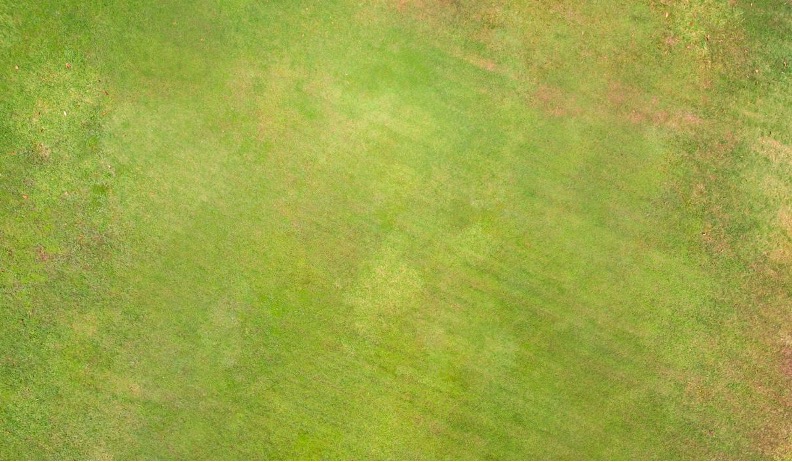
Thinning turf along walked paths, water collecting in the same places after every storm, and a general failure to respond to fertilizer all point the same way. And moss establishing in an area is a reliable signal of compacted, damp, low-light soil where grass is losing the battle. Any one of these can have another cause, but several of them together on a clay lawn is a compaction diagnosis you can trust.
Compaction Is Not the Same as Thatch
It is worth separating compaction from thatch, because people mix the two up and the fixes are different. Thatch is a spongy layer of dead material sitting on top of the soil, and you address it with dethatching or verticutting. Compaction is the dense soil below, and only aeration relieves it. A lawn can have one, the other, both, or neither, which is exactly why the screwdriver test matters: it reads the soil beneath your feet, not the surface layer above it.
Why Core Aeration Is the Fix, Not Spike Aeration
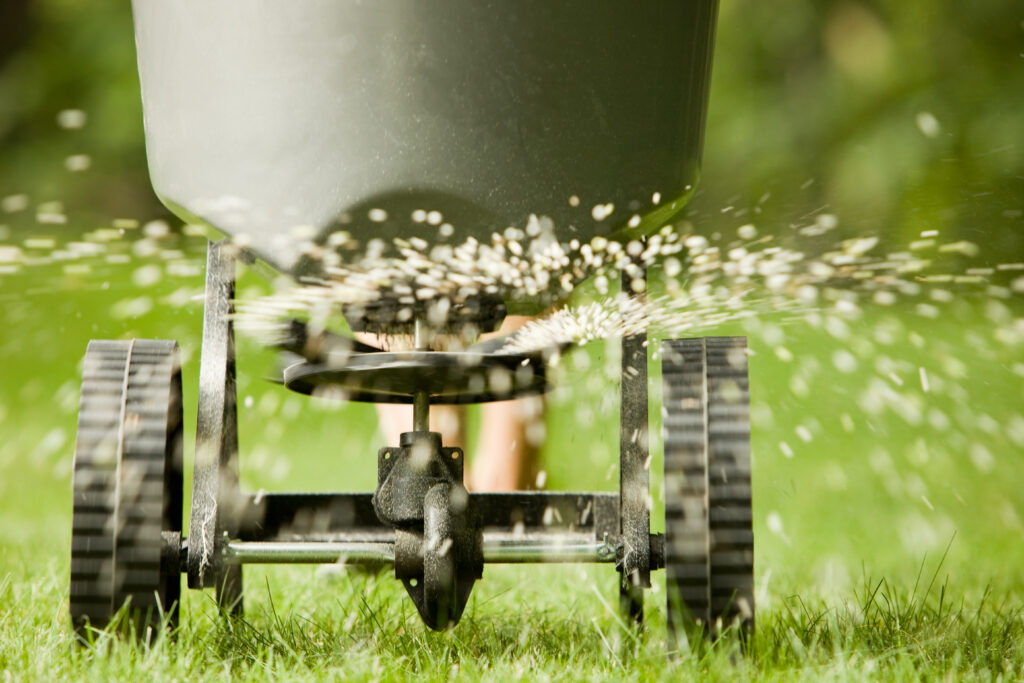
When the tests confirm compaction, core aeration is the tool that addresses it. A core aerator pulls thousands of small plugs of soil out of the lawn and drops them on the surface, physically removing material and giving the surrounding compacted soil somewhere to expand into. Water, air, and roots move down through the new channels, and over repeated seasons the whole root zone opens up.
It matters that this is core aeration and not the spike kind. Spike aerators, including the shoes and tow-behind units sold for the purpose, push a solid tine into the ground rather than removing a plug. On clay that compresses the soil around each hole, making a dense ring exactly where you were trying to loosen things. On our ground, spiking can leave the lawn more compacted than it started. Pulling cores is the point.
When a Lawn Does Not Need It
In fairness to the skeptical homeowner, not every lawn needs aeration every single year. A lawn on better-structured soil, one that passes the screwdriver test easily, accepts water without runoff, and is thick and healthy, can reasonably skip a year. Aeration is corrective and preventive, not a ritual that must be performed on schedule regardless of conditions. The tests are exactly what tell you which situation you are in, which is why we would rather you run them than simply assume. That said, on the typical Columbus clay lot, most lawns do land on the needs-it side more often than not.
How Often You Actually Need It
On frequency, most Columbus clay lawns do well with core aeration once a year in the fall, while lightly used lawns on better soil can stretch it further and high-traffic yards may want it more than once. Between aerations you can slow compaction from returning by rotating where the mower turns and where foot traffic crosses, and by topdressing with a thin layer of compost after aeration, which builds the organic matter that keeps clay from packing so tightly in the first place.
What to Do Next
Run the screwdriver test this week in a few spots, watch how your lawn handles the next real rain, and note whether the tired areas line up with where people walk. Those observations tell you most of what you need to know. Then call us at 900-193-9625 or request a free quote at lawnsquad.com. We serve Columbus, SERVICE_AREA_PLACEHOLDER, and the surrounding communities.
On a first visit we probe the soil for compaction with you, look at drainage and traffic patterns, check the depth of workable soil over the subsoil, and tell you honestly whether this is a year your lawn needs aeration or one it can skip. When it does need it, fall is the ideal time, and pairing core aeration with overseeding lets the seed drop straight into the open holes, which is the best seedbed there is. Expect the lawn to look freckled with soil plugs for a week or two, then noticeably better at absorbing water, with the deeper improvement building over the seasons you keep it up.
Longer term, our VitaminLawn program builds fertilization and weed control around the grass types, the heavy central-Ohio clay, and our seasons rather than a national schedule, and it treats soil structure as the foundation it is. Every location is independently owned and operated, quotes are free, and the work is backed by a satisfaction guarantee.