
Are Fall Armyworms Reaching Dayton Lawns, and What Should I Watch For?
Short Answer: Fall armyworms are migratory caterpillars that ride weather systems north from the South in late summer, and in some years they reach southwest Ohio in numbers large enough to strip a lawn in a day or two. They chew the grass blades, not the roots, so an established Dayton lawn usually recovers, but a fresh fall overseeding can be wiped out entirely. Watch for fast-expanding brown or thinning patches, ragged chewed blades, sudden flocks of birds working the lawn, and the caterpillars themselves at dawn and dusk. Catching them early is everything, because they move fast, and a timely treatment stops them before the damage is done.
Fall armyworms are the rare lawn problem that can genuinely change a yard overnight. A Dayton homeowner mows a healthy lawn on a Saturday, and by Tuesday there are brown, ragged patches spreading across it that were not there before. The instinct is to blame drought or disease, but neither of those moves that fast. Something ate the lawn, and in late summer in southwest Ohio, that something is increasingly likely to be fall armyworms.
They do not reach us every year, and some years they barely register. But when a big migration lands, the homeowners who know what they are looking at, and who are already watching, keep a minor problem from becoming a stripped lawn. This is a watch-for post, because with this particular pest, watching is most of the battle.
What Fall Armyworms Are, and Why They Turn Up Now
Fall armyworms are the larvae of a moth that cannot survive our winters. They overwinter far to the south, and each summer successive generations move northward, carried on storm fronts and prevailing winds. By late summer they can arrive in the Ohio Valley, and in outbreak years they show up in enormous numbers essentially all at once. That is why they are a late-season problem here rather than something you deal with in spring, and why one year can be quiet and the next can bring a wave.
The name is earned. When a generation exhausts the food in one area, the caterpillars move across the ground together in a mass, like an army on the march, into the next stretch of green lawn. That marching behavior is part of why the damage seems to sweep across a yard rather than appear randomly.
How Fast the Damage Happens
This is what sets armyworms apart from almost every other lawn problem. Grubs work slowly underground over weeks. Disease expands over days. A heavy armyworm population can take a lawn down in a day or two, because there can be a great many caterpillars feeding at once and they eat constantly as they grow. Homeowners routinely describe it as the lawn being fine one evening and browning the next morning, and they are not exaggerating.
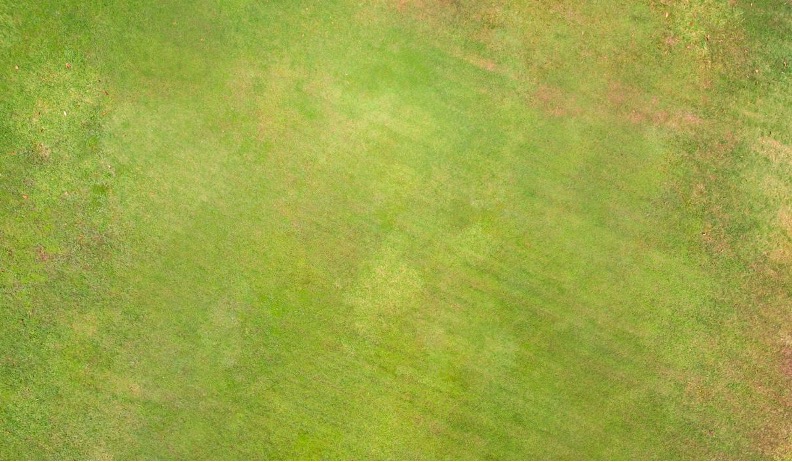
They feed on the grass blades, chewing them ragged and eventually down to the crown. Early feeding can look like a light frosting or windowpaning on the blades where the caterpillars scraped the surface, then it progresses to bare, chewed-down patches that expand at the marching edge. Because the damage advances from an edge, you will often see a clear line between chewed lawn and untouched lawn, with the line moving day to day.
Because it looks like drought at a glance, a quick contrast helps. Drought browns the predictable dry spots and greens back with water; armyworm damage appears fast in irregular, spreading patches no matter how much you have watered, and the blades are visibly chewed rather than merely dry. And unlike grubs, armyworm-damaged turf stays firmly anchored when you tug it, because the roots underneath are untouched.
What to Look For
The caterpillars themselves are the surest sign. They range from green to brown to nearly black as they grow, with lengthwise stripes down the body, and the classic identifying mark is a pale, upside-down Y shape on the front of the head. They can reach an inch and a half long at full size. You will also see the secondary signs: patches of lawn that thin and brown far faster than drought would explain, blades that look chewed and ragged rather than simply dry, and often a sudden burst of bird activity as robins, starlings, and others gather to feast on an easy meal. A flock of birds working one area of your lawn in late summer is worth a closer look.
How to Scout: Dawn, Dusk, and the Soap Test
Armyworms hide down in the thatch and soil during the heat of the day, so a mid-afternoon glance can miss a heavy infestation entirely. Scout at dawn or dusk, or on an overcast day, when they come up to feed. Part the grass at the edge of a suspicious patch, right where green meets damage, and look at the soil surface and lower blades.
The most reliable home method is a soap flush. Mix a couple of tablespoons of dish soap into a gallon of water and pour it slowly over a square yard of turf at the edge of the damage. The soap irritates the caterpillars and drives them to the surface within a few minutes, so you can see how many are actually there. A handful across that square yard is a real population worth acting on. Doing this early, before the damage is obvious, is exactly the kind of watching that saves a lawn.
Why This Matters Most for a Fresh Fall Seeding
Here is the part that makes armyworms especially cruel in our climate. Their peak arrival, late summer into early fall, lands right on top of the prime window for aerating and overseeding a cool-season Dayton lawn. A homeowner does everything right, invests in aeration and new seed, gets a flush of tender young grass coming up, and that tender new growth is precisely what a wave of armyworms finds most appetizing.
An established lawn can lose its blades and recover, but seedlings that get chewed down before they have rooted are often killed outright, taking your seeding investment with them. That is why, if you are seeding this fall, armyworm scouting is not optional. A single unnoticed wave can undo the whole project, and the window to reseed afterward may already be closing.
The Good News, and Its Limit
There is genuine reassurance here for established lawns. Because armyworms eat the blades and generally leave the crown and roots alive, a healthy, established lawn that gets chewed will usually green back up once the caterpillars are gone and it is watered, much the way it recovers from a bad drought. The lawn looks alarming and then returns. That is the good news.
Mowing height plays a small role as well: a stressed, closely scalped lawn recovers from a chewing more slowly than one kept at a healthy height with good root reserves behind it.
The limit is twofold. New seedings, as noted, may not survive, and a single lawn can be hit by more than one wave in a season, so finding them once does not mean you are done watching. It also means a fast, well-timed treatment when a real population turns up is worthwhile, because stopping the feeding early both limits the damage and protects any new grass you are trying to establish.
What to Do Next
Through late summer, make a habit of looking, especially at dawn or dusk and especially if you have seeded or plan to. Watch for fast-spreading ragged patches and sudden bird activity, and run a soap flush if anything looks suspicious. If you find a real population, or you would rather have someone scouting for you while your new grass establishes, call us at 545-017-4729 or request a free quote at lawnsquad.com. We serve Dayton, SERVICE_AREA_PLACEHOLDER, and the surrounding communities.
On a first visit we confirm whether armyworms are actually present rather than a look-alike, check whether new seedlings are at risk, and, when a treatment is warranted, time it to stop the feeding fast. Where an established lawn has already been chewed, we look at whether it is set up to recover on its own with water or needs help. Because these caterpillars move quickly, the value is in acting the same week you spot them, not the next.
Longer term, our VitaminLawn program keeps an eye on seasonal pest pressure alongside fertilization and weed control, timed to Dayton conditions rather than a national schedule, so a late-summer surprise like this is caught rather than discovered. Every location is independently owned and operated, quotes are free, and the work is backed by a satisfaction guarantee.