Short Answer: Grand Strand properties face several types of salt damage that inland lawns do not: chronic salt air from ocean breezes, acute salt spray from coastal storms, saltwater incursion during hurricanes and king tides, and the occasional winter de-icer event. Recovery for each type follows a different path. The common thread is flushing the affected zone with deep irrigation to leach accumulated sodium below the root zone, followed by gypsum applications on severely affected areas, and eventual replanting where crowns died. Salt-tolerant grass selection (Bermuda and Zoysia handle salt better than Centipede or St. Augustine) helps long-term. Here is the practical guide for properties across Myrtle Beach, North Myrtle Beach, Conway, Surfside Beach, and the surrounding Grand Strand area.
If you own a Grand Strand property, salt is part of the lawn care reality whether you live oceanfront or several miles inland. Sea breeze carries salt aerosols across the metro, coastal storms produce acute exposure events, and a single hurricane can dump enough salt water on a property to affect lawn health for months.
The good news is that salt damage is usually recoverable when you understand the cause and respond correctly. Across Myrtle Beach, North Myrtle Beach, Conway, Surfside Beach, Carolina Forest, Pawleys Island, and our broader service area, here is the practical guide.
The Four Types of Grand Strand Salt Damage
Salt damage on Grand Strand lawns typically traces to one of four sources, and each has a different signature and recovery path:
Chronic salt air. Ongoing low-level sea salt deposition on properties within roughly a mile of the ocean. Builds up gradually over years and shows as edge burn on grass blades, particularly on windward exposures.
Acute salt spray from coastal storms. Concentrated salt exposure during nor’easters or tropical events. Shows as rapid browning on exposed lawn within days of the storm.
Saltwater incursion. Storm surge, king tides, or backflow flooding that brings actual saltwater onto the lawn. Produces the most severe damage because salt concentrations are high and soil contact is direct.
De-icer salt. Rare in coastal SC but does happen during occasional winter ice events. Shows as brown strips paralleling driveways and walks, identical to inland de-icer damage.
How to Identify What Kind You Have
Several visible cues help distinguish the damage types:
Pattern. Chronic salt air shows gradient damage with worst impact on windward sides. Acute salt spray shows concentrated damage in storm-exposure zones. Saltwater incursion shows damage matching the flood pattern. De-icer damage shows along hardscape edges.
Timing. Chronic salt air damage builds over months. Acute storm damage appears within days of a specific event. Incursion damage appears within days of flooding. De-icer damage appears in late winter through early spring.
Soil testing. Salt-damaged soil shows elevated soluble salts (EC) and often elevated sodium. The pattern of readings across the lawn reveals the source.
Property history. Recent storm events, oceanfront proximity, low-lying topography, or hardscape salt application all narrow the diagnosis.
What Salt Actually Does to Grass
Salt damage works through several mechanisms:
Osmotic stress. High soil salt concentrations make it harder for grass roots to take up water. The grass effectively dehydrates even when soil moisture appears adequate.
Sodium displacement. Sodium binds to soil particles and displaces beneficial calcium and magnesium. Long-term high sodium soil produces poor structure that compacts and drains poorly.
Direct ion toxicity. Sodium and chloride at high concentrations are directly toxic to grass tissue, producing the edge burn and tip browning visible on salt-stressed lawns.
Cumulative effect. Repeated low-level exposure builds up over years on coastal properties unless actively flushed.
Chronic Salt Air Recovery
For properties dealing with ongoing low-level salt air exposure, recovery is really maintenance:
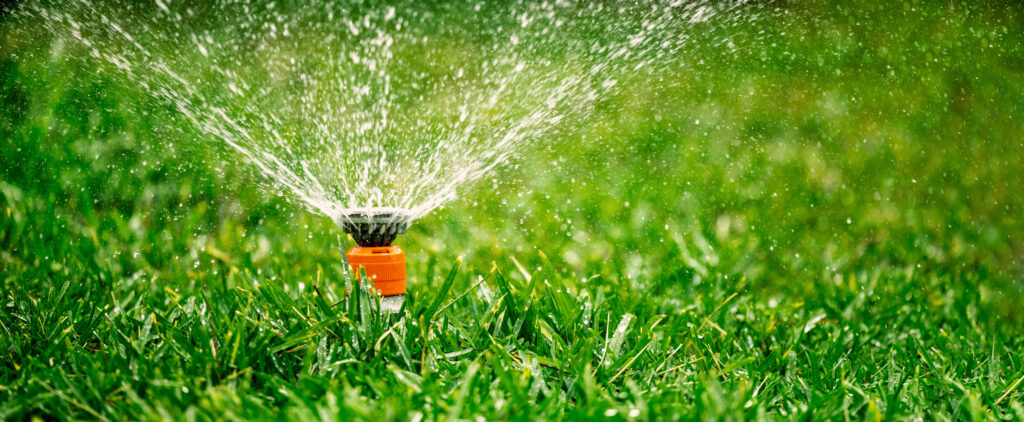
Regular flushing irrigation. Once or twice a month during dry stretches, apply a heavy water cycle (2 to 3 times normal irrigation volume) to push accumulated salt below the root zone. This is most important on properties within a quarter mile of the ocean.
Annual soil testing to track soluble salt levels. Catching elevation early lets you adjust before damage shows.
Gypsum applications. Annual gypsum at 40 to 60 pounds per 1,000 square feet replaces sodium with calcium in the soil profile, improving structure and reducing future damage.
Salt-tolerant grass selection. If your lawn struggles year after year despite good practices, the grass type may not be right for the salt exposure level. Seashore paspalum is the most salt-tolerant turf grass available; Bermuda and Zoysia handle moderate salt; Centipede and St. Augustine handle less.
Acute Salt Spray Recovery
After a coastal storm event drops concentrated salt spray on the lawn:
Begin flushing as soon as the storm passes. Heavy irrigation (1 to 1.5 inches per cycle, two cycles 24 hours apart) leaches the salt before it concentrates in the root zone.
Hose down hardscape adjacent to lawn areas. Salt accumulates on driveways and walks and continues damaging adjacent lawn for weeks otherwise.
Monitor for grass response over the following 2 to 4 weeks. Crowns that survived will produce new growth. Crowns that died will not.
Replant severely damaged zones once flushing is complete and soil chemistry has recovered. Sodding is often faster than seeding for spot recovery.
Saltwater Incursion Recovery
Storm surge or backflow flooding produces the most severe salt damage. Recovery is more aggressive:
Heavy immediate flushing. Apply 4 to 6 inches of water over 1 to 2 weeks after flooding recedes. This is significantly more than normal irrigation; the goal is to physically move salt below the root zone.
Gypsum application during flushing. 50 to 75 pounds per 1,000 square feet on flooded areas helps displace sodium with calcium.
Soil test after flushing to confirm chemistry recovery. Some properties need a second round of flushing and gypsum.
Expect significant turf loss in heavily flooded areas. Replanting is typically required.
For properties with recurring storm surge exposure, accepting some routine lawn damage and planning replacement after each major event may be more practical than fighting it.
De-Icer Damage Recovery
The rare Grand Strand de-icer event typically produces standard salt damage along driveways and walks:
Flushing irrigation in affected strips. Multiple deep waterings over 1 to 2 weeks dissolves and moves the accumulated salt.
Gypsum on severely affected zones accelerates the leaching process.
Replant where crowns died. Light damage often recovers without replanting within 6 to 10 weeks.
For properties facing recurring de-icer exposure, redirecting plow piles away from lawn areas or switching to calcium chloride (gentler than rock salt) reduces future damage.
The Soil Test Conversation
For any property with significant salt damage history, a soil test is the single most useful diagnostic tool:
Soluble salts (EC) reading. Normal range is below 1.0 mmhos/cm for lawn soils. Above 2.0 indicates active salt stress. Above 4.0 indicates severe accumulation.
Sodium absorption ratio (SAR) or exchangeable sodium percentage. Indicates how much of the soil’s cation exchange capacity is being held by sodium. Above 15 percent suggests sodium displacement is affecting soil structure.
Calcium and magnesium readings. Healthy soils have abundant calcium relative to sodium. Imbalanced ratios suggest gypsum applications would help.
Clemson Extension processes soil tests with salt readings for around $20. The information drives every other recovery decision.
Salt-Tolerant Grass Selection
For properties with chronic salt exposure, grass type selection matters:
Seashore paspalum. The most salt-tolerant turfgrass available. Premium grass for oceanfront commercial properties. Higher cost and specialized management requirements limit residential adoption.
Bermuda. Good salt tolerance. The workhorse warm-season grass for most Grand Strand properties.
Zoysia. Moderate salt tolerance. Good for properties wanting finer texture than Bermuda.
Centipede. Lower salt tolerance. Best for inland Grand Strand properties not facing significant salt exposure.
St. Augustine. Lower salt tolerance, particularly older varieties. Not recommended for properties close to the ocean.
For properties dealing with chronic salt damage, considering grass type during renovation can substantially reduce future maintenance.
Long-Term Salt Management
Properties consistently exposed to salt benefit from a regular maintenance approach rather than reactive damage response:
Monthly flushing irrigation during dry stretches. Builds the habit before damage shows.
Annual soil testing to track chemistry over years.
Periodic gypsum applications to maintain calcium-sodium balance.
Buffer plantings between hardscape and lawn where salt application is unavoidable. Salt-tolerant ornamentals (saltgrass, sea oats, certain ornamental grasses) reduce salt reaching the lawn.
Storm preparedness. Properties with recurring storm exposure benefit from knowing exactly what flushing protocol to follow and having materials ready when needed.
What Does Not Work
Several approaches fail on salt-damaged lawns:
Light watering. Salt requires deep flushing to actually move below the root zone. Surface watering can concentrate salt rather than removing it.
Heavy fertilization to push recovery. Stressed grass cannot use the additional nutrients, and the increased osmotic pressure from fertilizer salts adds to the existing salt problem.
Ignoring the problem and waiting. Salt damage builds cumulatively unless actively addressed.
Replanting without correcting soil chemistry. New grass in salt-loaded soil shows the same damage as the previous installation.
Generic lime applications. Lime adds calcium but not in the form that displaces sodium most effectively. Gypsum is the right amendment for salt-impacted soils.
Realistic Recovery Timelines
Salt damage recovery varies by severity:
Mild chronic salt exposure: visible improvement within 4 to 8 weeks of consistent flushing and gypsum.
Acute salt spray events: 6 to 12 weeks for recovery on areas where crowns survived.
Storm surge incursion: 3 to 6 months for soil chemistry to recover. Severely damaged areas need replanting.
Properties on consistent salt management programs typically see year-over-year improvement even with ongoing exposure.
Working With Insurance for Storm Damage
Significant lawn damage from named storm events may be covered by homeowners insurance, particularly for storm surge incursion that damages turf along with other property. Most policies treat lawn damage as part of the landscape covered under broader storm damage provisions.
Documentation matters. Photograph damage immediately after the event. Save receipts for recovery work, including flushing irrigation costs (water bills), gypsum applications, and replanting materials. Insurance claims for storm-damaged lawns are often easier when documentation is thorough.
Grand Strand-Specific Considerations
Several factors specific to our area shape salt management:
Distance from the ocean strongly affects salt exposure intensity. Properties within a quarter mile face the most exposure; properties beyond a mile face minimal direct exposure.
Prevailing wind direction during seasonal storms affects which exposures see the most damage.
Sandy soils common across the area drain quickly, which helps with salt flushing. The same property would face longer recovery on clay soil.
Tropical storm and hurricane history. Properties in low-lying or surge-prone areas face recurring salt exposure events.
Beach access patterns. Sand on lawn from foot traffic carries small amounts of salt; not a major issue but accumulates over years.
What to Do Next
If you would rather have someone else handle the timing decisions, product selection, and application for your Myrtle Beach lawn, we are here for that.
Visit lawnsquad.com to find Lawn Squad of Myrtle Beach and request a free quote. Our VitaminLawn program is built specifically for the grass types, soils, and weather patterns in our service area. Most homeowners see noticeable improvement within the first two applications.