Short Answer: Fire ants are an established part of lawn care across the Huntsville area, and spring is the right time to set up control for the year. The most effective approach is a two-step strategy: broadcast bait applied to the entire lawn in spring when soil temperatures hit 60 to 80 degrees and ants are actively foraging, plus mound-direct treatments on any active mounds that appear later. Single-product approaches typically fail. Cold-weather treatments waste product because ants are deeper in the soil and not actively foraging. With the right timing and approach, most Huntsville properties see 80 to 95 percent mound reduction by midsummer. Here is the practical guide for properties across Huntsville, Madison, Hampton Cove, Owens Cross Roads, and the surrounding area.
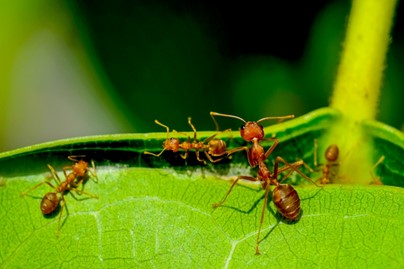
If you have lived in the Huntsville area for more than a year or two, you know fire ants are not a problem you can ignore. Walk barefoot in the wrong spot and the message is immediate and painful. Step on a mound and the ants swarm out within seconds. Drive by enough yards across our service area and you can spot the telltale dome-shaped mounds in summer turf.
The good news is that fire ant control is achievable with the right strategy and timing. The bad news is that most homeowner approaches use the wrong product at the wrong time and produce limited results.
Across Huntsville, Madison, Hampton Cove, Owens Cross Roads, Meridianville, and our broader service area, here is what actually works.
Why Huntsville Has Fire Ants
The red imported fire ant (Solenopsis invicta) has been expanding across the Southeast since arriving in Alabama in the 1930s. Northern Alabama, including the Huntsville metro, falls within the established range. Mild winters and warm humid summers create conditions where colonies thrive year over year.
The Tennessee River Valley environment supports fire ant biology well. Sun-exposed lawns, disturbed soils common in newer developments, and abundant food sources from suburban properties produce reliable colony establishment.
Properties at higher elevations or on the cooler edges of the metro sometimes see slightly lower fire ant pressure than valley properties, but no part of the Huntsville area is fire-ant-free.
Understanding the Colony Structure
Fire ant control approaches work because of how the colonies are structured. A few key facts shape strategy:
One queen per colony (in single-queen colonies) or multiple queens (in polygyne colonies). Killing workers without reaching the queen produces no lasting control because the queen continues producing replacements.
Workers forage up to 100 feet from the mound. Bait applied across the lawn surface is collected by foraging workers and brought back to the colony, where it is fed to the queen and brood. This is the mechanism that produces actual control.
Colonies can have 200,000 to 400,000 workers when mature. Treating the visible mound surface kills only a small fraction. The colony continues producing replacements unless the queen is reached.
Mounds are surface evidence; the colony extends 2 to 6 feet deep into the soil. Surface drenches and water flushes rarely reach the deep portions of the colony.
The Two-Step Strategy
The control approach that actually works for residential properties combines two practices:
Step 1: Broadcast bait across the entire lawn. Granular fire ant bait applied with a fertilizer spreader covers the foraging zones of all colonies on the property. Workers collect the bait and bring it back to colonies, reaching queens that surface treatments cannot.
Step 2: Mound-direct treatments for active mounds. Visible mounds get treated directly with liquid drench, granular contact insecticide, or other mound-specific products. This kills surface ants quickly while bait works on the colony interior.
The two practices together produce results that neither alone matches. Bait alone is slow (taking weeks for colony elimination) and misses active aggressive mounds. Mound-direct treatments alone produce visible kills but leave neighboring colonies untreated.
When to Apply Broadcast Bait
Broadcast bait should go down when ants are actively foraging. Several conditions matter:
Soil temperature 60 to 80 degrees Fahrenheit. Below 60, ants are too deep to forage. Above 90, they forage at night rather than during typical application windows.
Dry conditions at application. Bait does not work when wet. Apply on a dry day with no rain forecast for at least 24 hours.
Lawn surface dry. Wet grass holds bait at the canopy level rather than letting it reach the soil surface where ants forage.
For Huntsville, the spring application window typically opens in late March or early April and extends through early May. A fall application in September or October catches the second annual foraging peak.
Choosing Bait Products
Several bait products work well for residential fire ant control. The active ingredients matter:
Hydramethylnon-based baits work relatively quickly (4 to 6 weeks for colony elimination) but are sensitive to moisture and have shorter shelf life once opened.
Indoxacarb-based baits produce strong colony control with reasonable speed (3 to 5 weeks).
Methoprene-based baits are insect growth regulators that stop the queen from producing viable workers. Slower to produce visible results (8 to 12 weeks for full elimination) but produce sustained suppression.
Spinosad-based baits are an option for properties wanting reduced-impact chemistry. Effective but typically slower than synthetic alternatives.
For most residential properties, a combination product or rotating between two active ingredients over multiple applications produces the best results.
Mound-Direct Treatment Options
For active mounds that need quick attention:
Liquid drench. Pour large volumes of insecticide solution (typically 1 to 2 gallons per mound) into the mound. The liquid penetrates the colony tunnels and kills ants on contact. Works quickly (24 to 48 hours) but may not reach the queen.
Granular contact insecticide on the mound surface. Less effective than liquid drench for severe mounds but easier to apply.
Dust products applied to the mound surface. Effective for surface kills but limited penetration.
Combine mound-direct treatments with broadcast bait for best results. The mound treatments produce visible immediate kills while bait works on the queen.
What Doesn’t Work
Several common homeowner approaches that produce limited results:
Boiling water poured on mounds. Kills surface ants but rarely reaches the queen. Colony rebounds quickly.
Stepping on mounds. Spreads ants and creates new sting risks without producing real control.
Gasoline. Illegal in most jurisdictions and produces serious soil contamination without reliable control.
Single-mound treatments without broadcast bait. New mounds appear nearby within weeks as untreated colonies expand.
Bait applied during wrong weather. Wet bait, hot dry afternoons when ants are not foraging, or cold weather all produce wasted product.
Single applications expecting permanent results. Even effective programs require maintenance applications to suppress new colonies that establish.
Realistic Expectations
Fire ant control is suppression, not elimination. Even on consistently treated properties, some mounds typically appear each season because new colonies establish from queens carried on wind, water, or vehicles from surrounding untreated areas.
Realistic expectations for properties on consistent multi-step programs:
80 to 95 percent reduction in mound count from year one to year two.
Mounds that do appear are smaller and less aggressive than untreated mounds.
Active mounds get treated within days rather than weeks because the bait barrier is already in place.
Property neighbors’ fire ant pressure affects your own property. Properties bordering untreated lots typically see more mounds than properties in fully-treated neighborhoods.
Safety Considerations
Fire ants pose real safety risks beyond the obvious painful stings. Several factors worth knowing:
Allergic reactions. A percentage of the population has severe allergic reactions to fire ant venom. Anaphylaxis is possible. Households with allergic members face higher stakes than the typical inconvenience.
Children and pets. Most fire ant stings happen to people who stepped on mounds without seeing them. Young children, pets, and barefoot walkers face the highest exposure.
Property infrastructure. Fire ant colonies can damage irrigation systems, electrical equipment, and HVAC components. Colonies in or near these areas need active treatment.
Persistent yard avoidance. Untreated properties produce yard areas where children and pets are kept inside or in specific zones. Restoring full yard use is a quality-of-life benefit beyond just sting avoidance.
What Pre-Emergent and Fertilizer Mean for Fire Ant Programs
Standard lawn care practices interact with fire ant control:
Pre-emergent and lawn fertilizers do not kill fire ants. Combination products that claim fire ant control along with weed prevention typically contain weak insecticide additives that produce limited results.
Heavy fertilization actually attracts fire ants in some cases. Sweet protein-rich foods are part of fire ant diets, and overly lush lawns produce more food sources.
Dense healthy turf does not prevent fire ants but makes mounds more visible and easier to treat. Thin lawns where mounds blend into the background often allow infestations to build up before homeowners notice.
Huntsville-Specific Considerations
Several factors specific to our area affect fire ant programs:
Variable elevation across the metro. Properties at higher elevations or in cooler valley pockets may see slightly different timing than the standard schedule suggests.
Newer construction common across the Madison and Hampton Cove area. Disturbed soils common to new construction support rapid colony establishment.
Heavy clay soils in much of the area. Colonies in clay are harder to drench effectively but produce more visible mounds.
Adjacent farmland or undeveloped areas. Properties bordering untreated land face continuous re-invasion pressure from neighboring colonies.
Variable rainfall. Wet stretches can interfere with bait applications; planning around weather matters for getting product down correctly.
The Cost-Benefit Math
For a typical Huntsville residential property, a complete fire ant program costs $150 to $350 per year depending on lot size and treatment frequency. This typically includes spring and fall broadcast bait plus mound-direct treatments as needed.
Compared to the time, frustration, and risk of unsuccessful DIY approaches, professional programs are often cost-effective. The key is choosing a program that uses proper bait timing rather than just spot-treating visible mounds.
What to Do Next
If you would rather have someone else handle the timing decisions, product selection, and application for your Huntsville lawn, we are here for that.
Visit lawnsquad.com to find Lawn Squad of Huntsville and request a free quote. Our VitaminLawn program is built specifically for the grass types, soils, and weather patterns in our service area. Most homeowners see noticeable improvement within the first two applications.