
Short Answer: St. Augustine lawns in Jacksonville and St. Augustine areas do not fully go dormant in winter like Northern lawns. Instead, they slow down significantly in cooler months and resume strong active growth as temperatures warm in late winter and spring. Visible signs of spring activity typically appear in February as nights stay above 50 degrees. Full active growth resumes by mid March in most years. The spring care priorities are different from colder climates: less focus on winter damage recovery, more focus on chinch bug monitoring, disease pressure management, and proper fertility timing. Here is the practical guide for properties across Jacksonville, St. Augustine, Ponte Vedra, Jacksonville Beach, and the surrounding area.
St. Augustine lawns across our service area do not experience the dramatic dormant-to-active transition that Northern lawns face. The grass stays at least partially green through most winters and resumes strong growth in late winter and early spring as temperatures warm. This means the spring lawn care priorities here are different from what homeowners moving from colder climates may be used to.
Across Jacksonville, St. Augustine, Ponte Vedra, Jacksonville Beach, Atlantic Beach, and our broader service area, here is the practical guide.
What St. Augustine Spring Looks Like
Several visible changes mark St. Augustine spring transition:
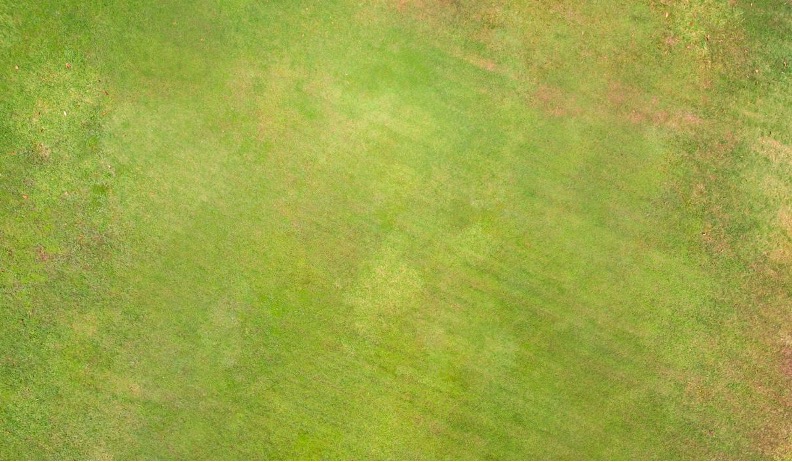
Color deepens from winter olive-green to spring emerald as temperatures warm. The change typically begins in mid to late February in our area.
Growth rate increases. Mowing needs return to weekly schedule as the grass actively grows.
Stolon activity increases. New runners spread across thin or damaged areas.
Some properties show winter damage now visible as the canopy fills in. Cold-damaged areas may be slow to recover or may need replanting.
What Drives Spring Timing
Soil temperature drives St. Augustine spring activity. The grass begins active growth as soil temperatures consistently exceed 60 degrees Fahrenheit and accelerates as temperatures continue to rise. For our area, this typically means active growth from mid February onward.
Cold winters can extend the slow-growth period. Mild winters allow stronger growth throughout. Both happen in Florida, depending on the year.
Coastal properties typically warm and stay warm slightly earlier than inland properties. The difference is small but consistent.
What to Do in Spring
The spring care sequence for Jacksonville area St. Augustine:
Inspect for winter damage. Cold snaps can damage St. Augustine in exposed areas. Identify damaged zones now while recovery time is available.
Soil test if you have not in 2 years. Florida soils vary significantly even within neighborhoods.
Pre-emergent crabgrass control at the appropriate window for our area, typically late February to early March.
Begin chinch bug monitoring. The pest becomes active as temperatures warm. Spring scouting identifies issues before they become severe.
Equipment service before active mowing season returns.
Light fertility once growth is clearly active, typically March.
Chinch Bug Spring Monitoring
Chinch bugs are the most damaging pest on Jacksonville St. Augustine lawns. They become active as temperatures warm and can cause significant damage by early summer if undetected.
Spring monitoring catches infestations before they become severe. Walk the lawn looking for small irregular yellowing or thinning areas, particularly in sunny zones near sidewalks, driveways, and other reflective surfaces.
The soap test confirms chinch bug presence: mix 2 ounces of dish soap into a gallon of water, pour over a 1-foot square area at the boundary between damaged and healthy turf. Within minutes, chinch bugs (small black or brown insects with X-shaped wings) come to the surface.
Counts of 25+ chinch bugs in a square foot indicate active infestation that needs treatment. Targeted insecticide treatments work when timed early.
Disease Pressure
Several diseases can affect St. Augustine lawns in spring:
Take-all root rot. Cool wet conditions favor this disease. Visible as patchy yellowing that resists fertilization. Treatment is difficult and prevention through correct watering and aeration matters more.
Gray leaf spot. Less common in spring but possible during warm humid stretches. Visible as oblong gray lesions on individual blades.
Large patch (Rhizoctonia). Circular yellow to brown patches expanding outward. Cool wet conditions trigger it.
Spring monitoring catches disease before it spreads. Fungicide may be needed for severe cases. Cultural practices (proper mowing, watering, fertility) reduce disease pressure.
Fertility Timing
For Jacksonville area St. Augustine, the right first spring fertilization timing is when active growth is clearly established, typically mid to late March.
Apply a slow-release nitrogen product at 0.75 to 1 pound of actual nitrogen per 1,000 square feet. Florida law restricts phosphorus on established lawns; the middle number should be 0.
Avoid heavy nitrogen in summer. Hot humid conditions plus heavy nitrogen produce more disease pressure than benefit. Moderate consistent fertility produces better results than push-and-rest patterns.
Watering Through Spring Transition
St. Augustine watering needs to match growth phase:
Winter through early spring: minimal watering. Natural rainfall typically covers winter needs. Overwatering in cool conditions produces disease pressure.
Active spring growth (mid March onward): 1 to 1.25 inches per week including rainfall. Apply in 2 to 3 deep cycles in early morning.
Summer: 1.5 inches per week as evaporation increases.
Morning watering only (4 AM to 8 AM). Evening watering keeps grass wet overnight, driving fungal disease.
What Not to Do
Heavy spring fertilization to push green-up. Produces soft growth that disease and pests attack.
Aggressive mowing on barely-active lawn. Wait for clear active growth.
Heavy watering on cool soil. Drives disease.
Treating diseases reactively without identifying the actual disease present. Different diseases need different treatments.
Ignoring chinch bug monitoring. Early detection prevents significant damage.
Applying pre-emergent too late. Crabgrass germinates earlier here than in cooler climates.
Mowing in Spring
St. Augustine mowing height in our area: 3.5 to 4 inches. Higher than most warm-season grasses because St. Augustine has wider blades and depends on its taller cut height for density.
Mowing too short scalps the runners (stolons) that connect plants. The lawn looks worse rather than better.
Sharp blades produce cleaner cuts. Dull blades tear St. Augustine blades, producing brown tips that look ragged.
Mow when actively growing, typically weekly during spring through fall.
Jacksonville Specific Conditions
Several local factors affect spring lawn care:
Sandy soils common across the area drain quickly. Irrigation matters more than in clay soil climates.
High humidity favors fungal diseases. Watering practices and air circulation matter for disease management.
Mature properties with significant tree canopy. Shade affects grass density and disease pressure.
Coastal proximity affects salt exposure on some properties, particularly during storms.
St. Augustine variety differences. Floratam is the dominant variety in our area. Newer varieties like Palmetto, CitraBlue, ProVista offer specific advantages for some properties.
Reading Year-Over-Year Patterns
Documenting your lawn’s spring transition year over year reveals patterns worth knowing. Properties on consistent care typically show similar timing year over year. Properties showing chronic disease pressure in the same spots reveal underlying drainage or air-circulation problems. Properties with chronic chinch bug damage in the same zones reveal habitat or sun exposure issues.
These patterns drive better long-term decisions. Chronic-problem areas may need different management than the rest of the lawn: different grass type, different irrigation schedule, different fertility approach, or in some cases conversion to non-lawn use.
What This Sets Up for Summer
Spring care decisions directly affect summer performance. Properties handling spring correctly typically see less summer stress, less disease pressure, and less reactive treatment needed. Pre-emergent timing affects summer weed pressure. Chinch bug spring monitoring prevents serious summer damage. Disease pressure managed in spring prevents the chronic summer issues many properties face.
The summer-friendly lawn starts in spring. Investment in proper spring care pays back through summer in less reactive work and better appearance.
What to Do Next
If you would rather have someone else handle the timing decisions, product selection, and application for your Jacksonville and St. Augustine lawn, we are here for that.
Visit lawnsquad.com to find Lawn Squad of Jacksonville-St. Augustine and request a free quote. Our VitaminLawn program is built specifically for the grass types, soils, and weather patterns in our service area. Most homeowners see noticeable improvement within the first two applications.