
Short Answer: The five most expensive spring lawn care mistakes in Knoxville are applying pre-emergent at the wrong time, treating fescue and Bermuda with the same program, mowing warm-season grass too tall or cool-season grass too short, skipping soil testing on our variable red clay and rocky soils, and ignoring last fall’s grub damage. Each mistake tends to cost $300 to $2,000 in recovery work later in the season. Below is how to spot and avoid each, specifically for lawns from Farragut to Maryville to Oak Ridge.
Knoxville lawns are particularly tricky because we sit squarely in the transition zone. Many properties have Bermuda in the sunny front yard, fescue in the shaded back, and sometimes Zoysia bridging between them. Each grass wants different treatment. Small mistakes in April turn into big problems by July.
Here are the five we see most often.
Mistake 1: Single Pre-Emergent Application
Crabgrass in Knoxville germinates when soil temperatures hit 55 degrees, usually between late March and mid-April in the valley. In higher elevations around Oak Ridge or in the Smokies foothills, it can be 7 to 10 days later.
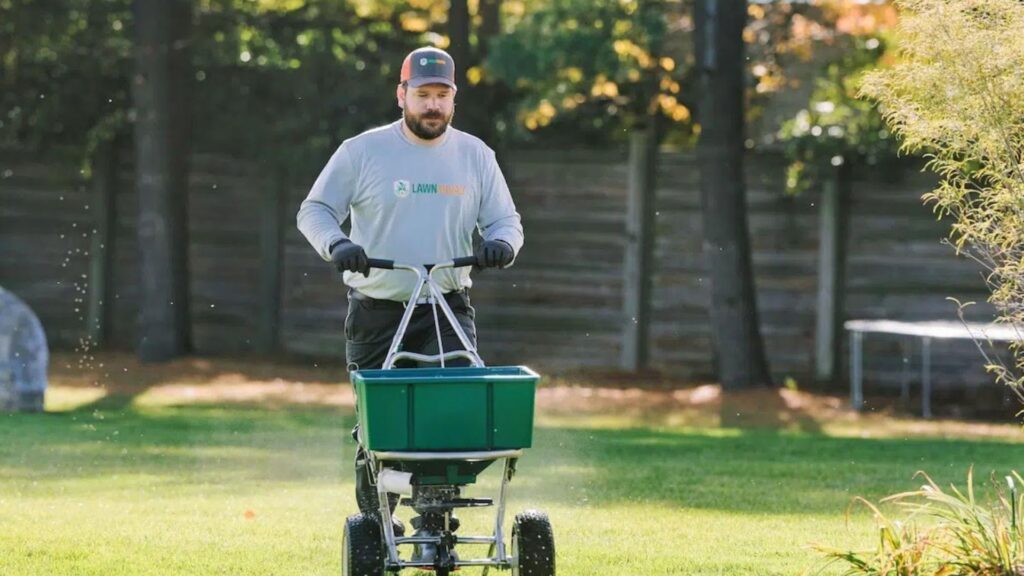
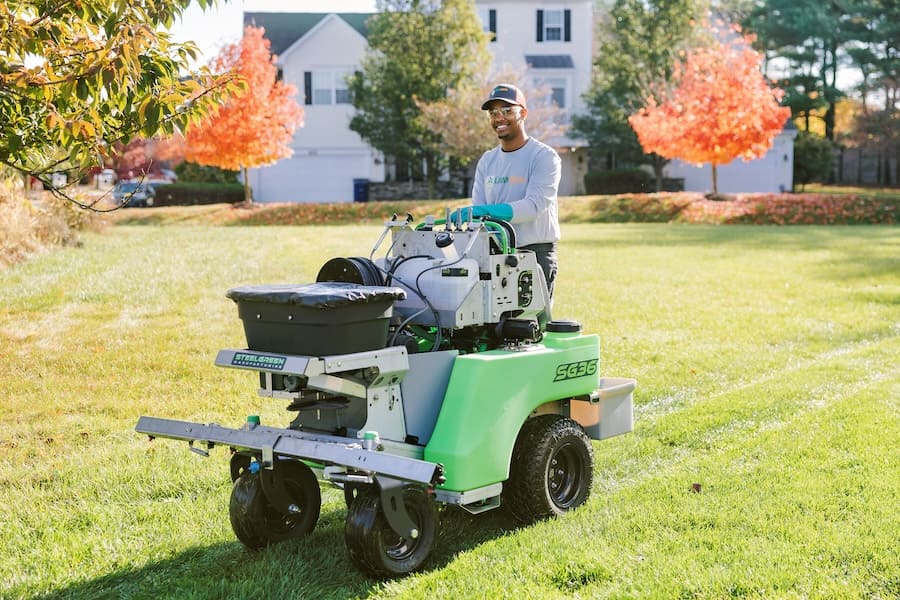
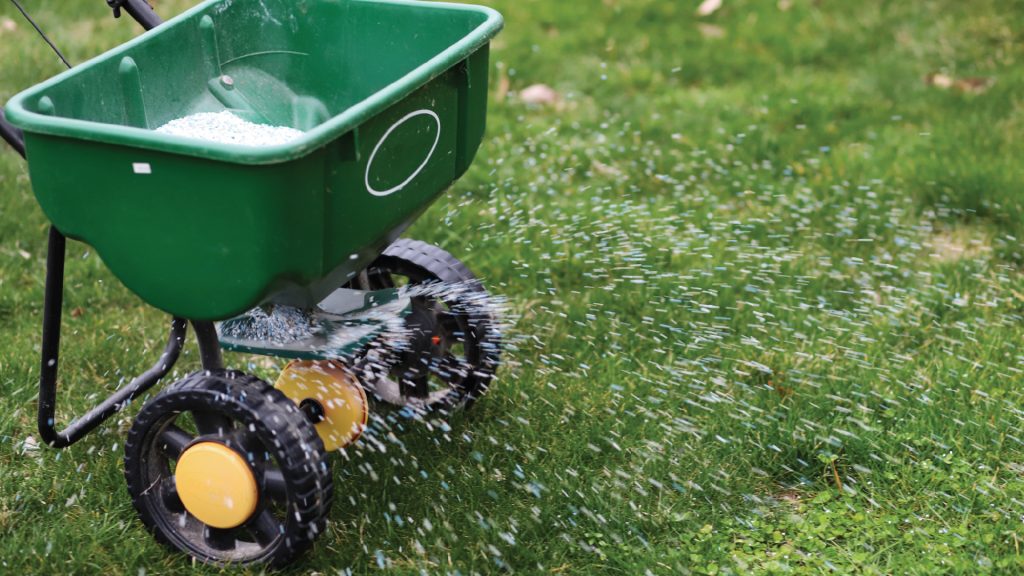
A single spring pre-emergent application rarely holds through our long germination window. Professional programs use a split-rate approach with a second application in late May or early June to catch goosegrass and late-germinating crabgrass.
Cost of missing this: crabgrass fills in by late June, and fixing it with post-emergent products costs significantly more than two well-timed pre-emergent applications would have.
Mistake 2: Treating Mixed Grass Types the Same
A typical Knoxville lawn with Bermuda in the front and fescue in the back needs two different treatment plans on the same property.
- Bermuda: benefits from strong nitrogen at green-up (mid-April), tolerates higher rates
- Fescue: needs light spring feeding, heavy fall feeding. Reverse of Bermuda.
- Zoysia: moderate nitrogen, spoon-fed. Heavy spring nitrogen fuels large patch.
- Centipede: very light nitrogen. Centipede declines with overfeeding.
Applying a fescue-friendly program to Bermuda under-feeds it. Applying a Bermuda-friendly program to fescue drives disease pressure. On mixed lawns, we treat by section.
Mistake 3: Wrong Mowing Heights
Correct mowing height varies by grass type. We see Knoxville lawns mowed at a single height across all grasses, which shortchanges one or multiple.
- Tall fescue: 3.5 to 4 inches
- Kentucky bluegrass: 3 to 3.5 inches
- Zoysia: 2 to 3 inches
- Bermuda (home lawn): 1 to 2 inches
Scalping fescue at 2 inches (common when a homeowner uses the Bermuda setting on a mixed lawn) invites weeds, disease, and drought stress. Letting Bermuda grow to 3 inches produces thin, matty turf. Each grass has a height and needs to be mowed to it.
Mistake 4: Skipping the Soil Test
East Tennessee soils vary dramatically. Red clay in the valley, rocky mountain clay higher up, limestone-influenced pockets, and sandier soils along Tennessee River bottomlands. pH and nutrient availability varies a lot across even a small service area.
A $15 soil test through UT Extension shapes the whole year. Skip it and you are guessing on fertilizer, lime, and amendments. On many Knoxville lawns we find:
- pH slightly acidic (5.8 to 6.3) in older mature yards
- pH elevated (7.0+) in newer construction where builder lime was over-applied
- Low organic matter from construction that removed topsoil
- Manganese deficiency associated with high pH
Without a soil test, you are treating symptoms. With it, you are treating causes.
Mistake 5: Ignoring Last Fall’s Grub Damage
If you saw brown patches last September and October that pulled up like loose carpet when tugged, or if you had significant skunk, raccoon, or bird digging activity in the yard, you had grubs. Those damaged areas will not recover on their own.
The fix: preventive grub control in June plus overseeding the damaged areas in fall. The cost math is stark. Preventive grub treatment on a typical Knoxville lawn runs $60 to $100. Full renovation of grub-damaged turf runs $1,500 to $3,500.
A Sixth Worth Mentioning: Aggressive Spring Raking
Knoxville homeowners sometimes power-rake or dethatch aggressively in April thinking it helps. On cool-season fescue and bluegrass, it usually damages healthy grass along with debris, creating thin spots weeds exploit. Save dethatching for fall if needed, and rely on core aeration for most lawns instead.
The Through-Line
Each of these mistakes comes from doing the obvious thing (feed more, cut shorter, wait to see, dethatch what looks like buildup) when the right answer is to calibrate your approach to the specific grass, soil, and climate conditions of your particular lawn.
What to Do Next
If you want a team that adjusts program by grass type, tests soil to guide decisions, and handles transition-zone complexity without shortcuts, we are here.
Lawn Squad of Knoxville serves Alcoa, Aldenwood Park, Amherst, Cedar Bluff, Concord, Farragut, Knoxville, Louisville, Maryville, Mascot, Oak Ridge, Rockford, Strawberry, West Hills, and Wood Creek West.
Call us at 865-564-9525 or request a free quote at lawnsquad.com. Our VitaminLawn program adjusts by grass type, soil condition, and specific local pressures across East Tennessee.