
Short Answer: In North San Antonio, soil tests nearly always come back alkaline (pH 7.5 to 8.3) because of our caliche and limestone bedrock. That high pH chemically locks up iron and manganese, causing yellowing even when you are fertilizing correctly. The five numbers on your Texas A&M AgriLife Extension soil test that matter most are pH, phosphorus, potassium, iron availability, and organic matter. Below is how to read each number and what to actually do with the results, specific to lawns across Boerne, Bulverde, Spring Branch, and San Antonio.
You pulled a soil sample, sent it to the Texas A&M AgriLife Extension soil testing lab, and got back a report full of numbers and acronyms. Most North San Antonio homeowners read it once, set it aside, and go back to guessing. That is a missed opportunity. The report tells you specific, actionable things about your lawn that you cannot figure out any other way.
Here is how to read your soil test like a pro, with context specific to Hill Country lawns.
The Five Numbers That Matter Most
1. Soil pH. This measures acidity or alkalinity. In North San Antonio, expect values between 7.5 and 8.3. Our target for Bermuda and St. Augustine is roughly 6.5 to 7.5. Buffalo grass tolerates slightly higher pH. Any reading above 8.0 signals nutrient tie-up issues you need to address.
2. Phosphorus (P). Most established lawns in San Antonio are adequate in phosphorus from years of past fertilization and limestone bedrock. New lawns or renovated areas may benefit from a starter fertilizer with phosphorus.
3. Potassium (K). Supports stress tolerance, which matters enormously in our heat and drought. Low potassium shows up as lawns that struggle in summer and fall. San Antonio lawns often test adequate but sandier pockets near the Hill Country may run low.
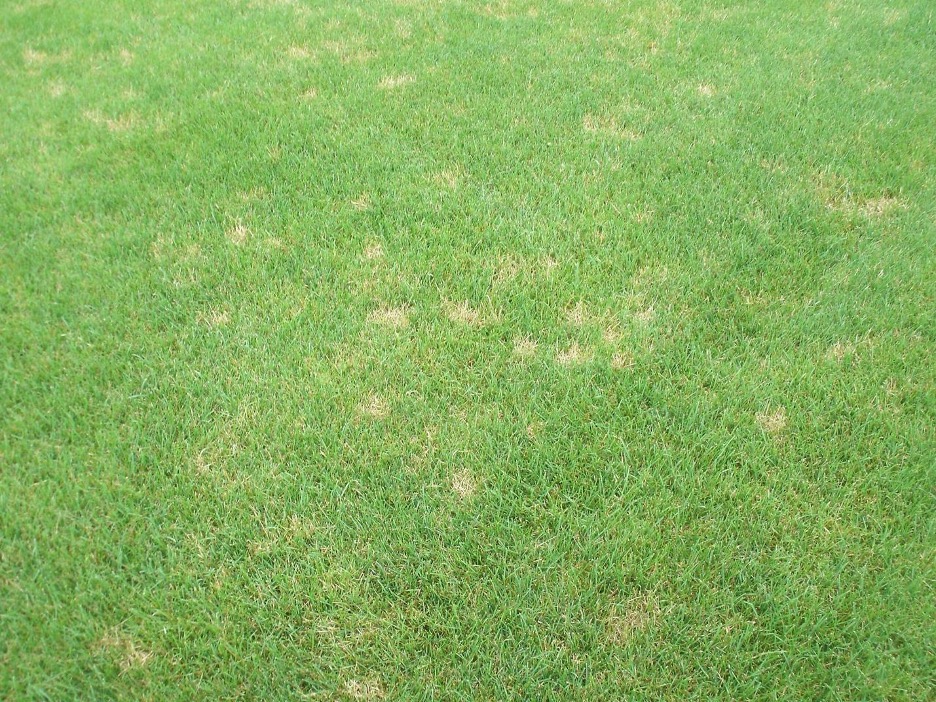
4. Iron and micronutrient availability. Not always a separate line on the report, but inferable from pH. At our typical alkaline pH, iron is chemically locked up. This is the single most common cause of yellow lawns in North San Antonio despite adequate nitrogen. The technical term is iron chlorosis.
5. Organic matter. Reported as a percentage. Target 3 to 5 percent. Most San Antonio soils test at 1 to 2 percent, which limits water and nutrient holding capacity. Building organic matter takes time but pays off dramatically.
What Your pH Reading Is Probably Telling You
- pH 7.0 to 7.5: mildly alkaline. Generally fine. Iron supplementation and standard fertility program work well.
- pH 7.6 to 7.9: moderately alkaline. Iron chlorosis likely. Foliar chelated iron provides quick greening. Long-term, apply elemental sulfur at 5 pounds per 1,000 sq ft in fall to gradually lower pH.
- pH 8.0 to 8.3: strongly alkaline. Common in newer Boerne and Bulverde developments where caliche was brought up during grading. Aggressive iron program plus sustained sulfur over multiple years.
- pH above 8.3: extreme. Often associated with high sodium or bicarbonate content in irrigation water. May need gypsum applications alongside sulfur.
Remember: sulfur works slowly. Moving pH from 8.0 to 7.5 can take two to three years of consistent applications. Meanwhile, iron applications handle the visible yellowing in the short term.
Why Hill Country Soils Are Chronically Alkaline
Three reasons drive our soil chemistry:
- Limestone and caliche parent material. Much of the Hill Country, from Boerne to Spring Branch, sits on or near limestone bedrock. Soil chemistry inherits that alkalinity.
- Low rainfall. Without heavy rainfall to leach calcium and magnesium out of soil, our salts accumulate and pH stays high.
- Irrigation water chemistry. Much of North San Antonio’s water supply is mineral-rich. Every gallon applied adds to soil mineral load over time.
Common Soil Problems We See in North San Antonio
- Iron chlorosis: yellow stripes between veins on new blades
- Take-all root rot on St. Augustine in areas where pH is above 7.5 and manganese is deficient
- Compaction and drainage issues on lawns built over caliche that was not properly amended
- Salt accumulation in irrigated areas with mineral-rich water
How to Get a Soil Test
- Pull 10 to 15 samples from across your lawn, 3 to 4 inches deep
- Mix in a clean bucket, remove rocks and grass
- Send about 1 cup to Texas A&M AgriLife Extension soil testing lab
- Standard routine test: about $15. Turnaround 2 to 3 weeks
If your lawn has distinct zones (sunny front, shaded back, a slope that always struggles), submit separate samples. Soil chemistry can vary meaningfully across a single property.
What VitaminLawn Elite Does With Your Soil Test
On our Elite program, a soil test is included. We use the results to:
- Apply sulfur for gradual pH reduction when indicated
- Schedule chelated iron foliar applications for quick greening
- Adjust fertilizer selection based on actual phosphorus and potassium levels
- Recommend gypsum where sodium is elevated
- Build a top-dressing and aeration schedule to improve organic matter over time
This is how we keep two North San Antonio lawns a block apart from getting the same cookie-cutter program. Soil chemistry can be meaningfully different, and the program should reflect that.
What to Do Next
If you want us to interpret a soil test you already have or include one in a customized plan, we are here.
Lawn Squad of North San Antonio serves Bergheim, Boerne, Bulverde, Kendalia, San Antonio, and Spring Branch.
Call us at 210-588-0275 or request a free quote at lawnsquad.com. Our VitaminLawn Elite program includes a soil test and customized recommendations built specifically for Hill Country alkaline soils.