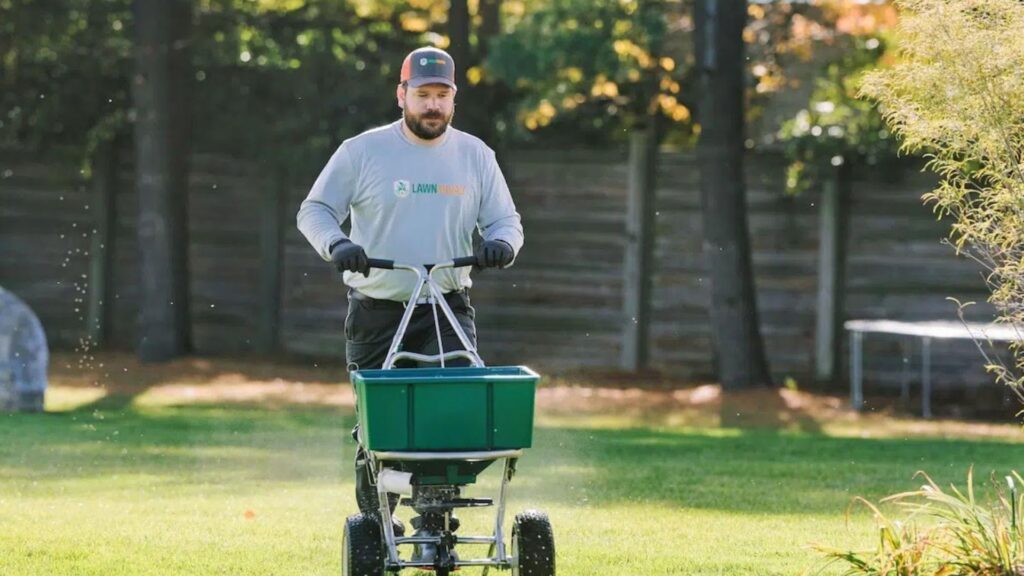
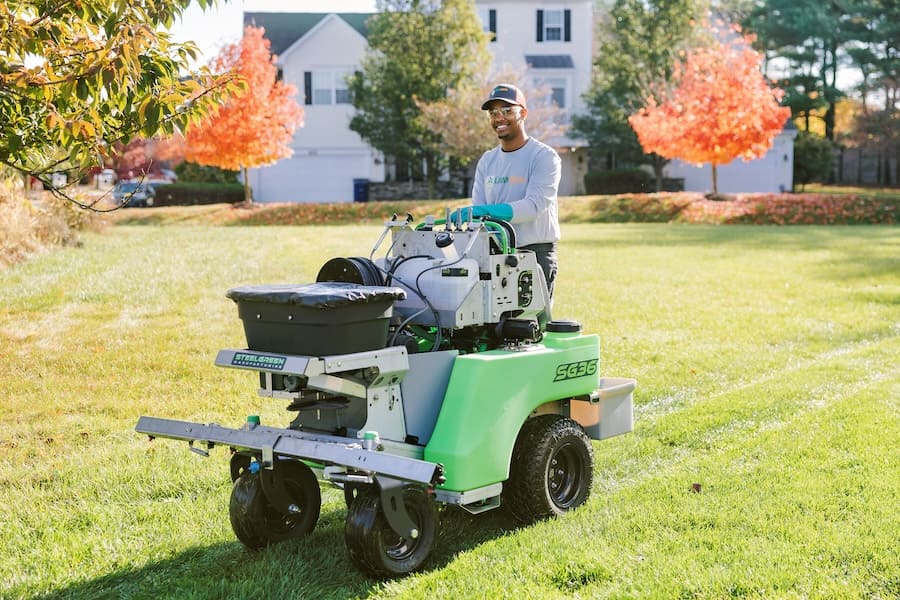
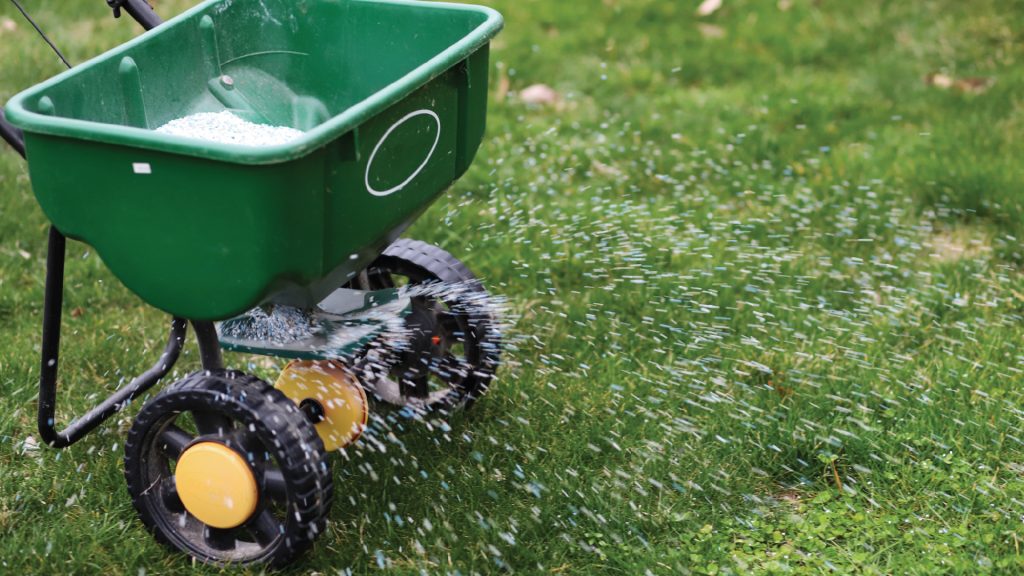
The short answer: Grub control in Central and Eastern Massachusetts requires a proactive approach — preventive insecticide treatments applied in late spring to early summer are dramatically more effective than curative treatments applied after damage appears. By the time your lawn shows visible grub damage in late summer, the opportunity for the most effective treatment has already passed.
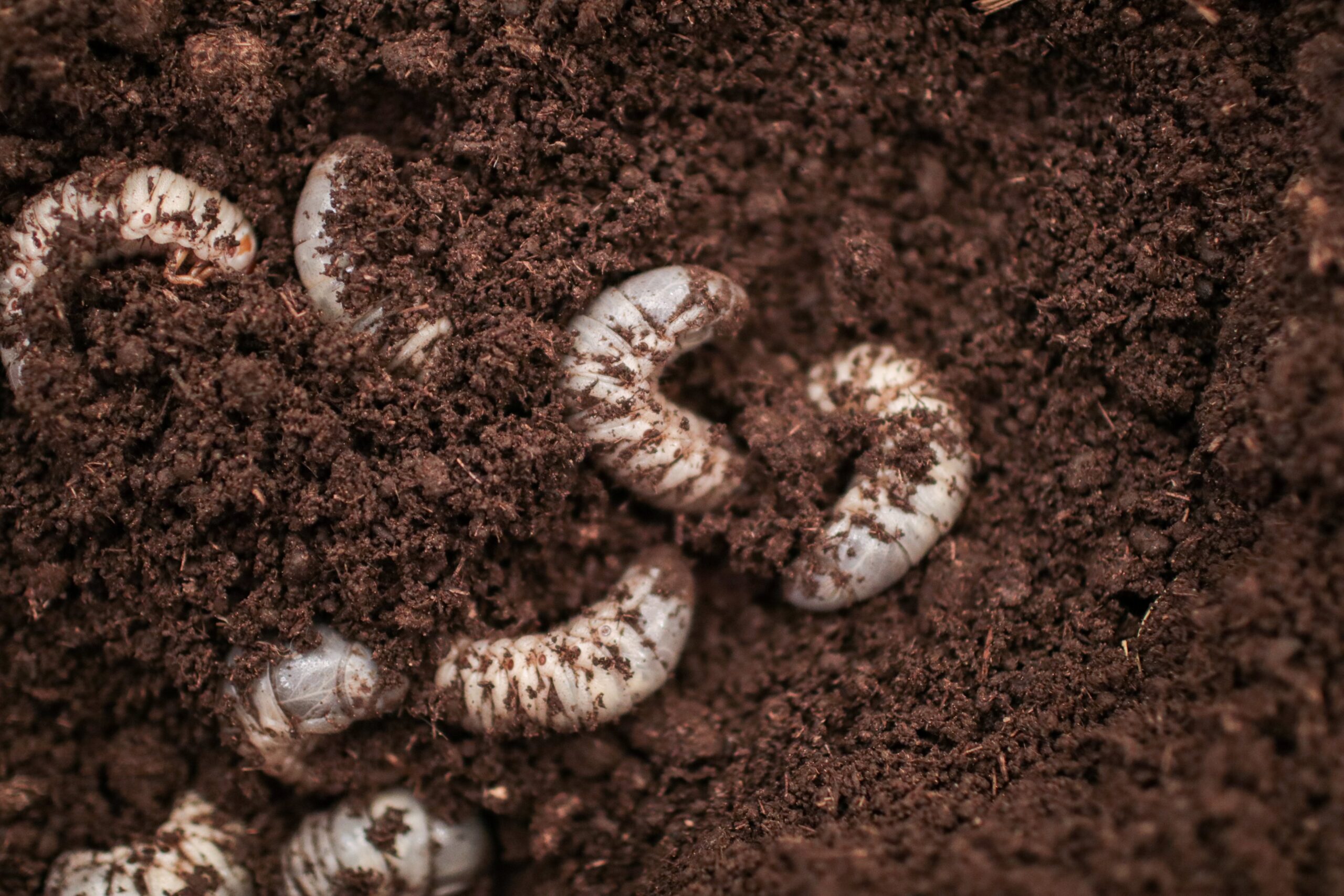
Grubs are the underground larvae of several beetle species common across Massachusetts — most notably the Japanese beetle, the Oriental beetle, and the European chafer. They feed on grass roots just below the soil surface, severing the root system that holds your turf together. The result is patches of dead or dying grass that pull up from the soil like a loose carpet, with no roots attached.
Grub damage is one of the most expensive lawn problems to repair in Central and Eastern Massachusetts — not because the treatment itself is costly, but because the damage it causes requires significant recovery time, overseeding, and follow-up care. Understanding how grubs develop, when they are most vulnerable, and how to get ahead of them before damage occurs is the most valuable thing a Massachusetts homeowner can know about lawn pest management.
Quick overview:
- Prevention is everything: Preventive grub treatments applied in June and July are far more effective than curative treatments applied after August damage appears
- Know the life cycle: Grubs are most vulnerable as young larvae in mid to late summer — timing treatment to that window is critical
- Recognize secondary damage: Armadillos, skunks, raccoons, and crows tearing up your lawn overnight are often tracking grub activity below the surface
- Healthy turf recovers faster: A dense, well-rooted lawn tolerates some grub feeding and rebounds more quickly after populations are controlled
Keep reading to learn exactly how grubs develop in Massachusetts lawns, how to detect them before damage appears, and how to protect your lawn through every stage of the grub life cycle.
Why Grub Pressure Is a Significant and Growing Problem in Central and Eastern Massachusetts
Grub problems have intensified across Central and Eastern Massachusetts over the past two decades, driven primarily by the continued spread and establishment of Japanese beetles and Oriental beetles throughout the region. Both species have thrived in Massachusetts’s climate and soils, building populations that make grub pressure a near-universal concern for homeowners across the region rather than an occasional problem in isolated areas.
Several factors make Central and Eastern Massachusetts particularly susceptible to grub damage:
Sandy and loamy soils — common throughout Eastern Massachusetts including the South Shore, the North Shore, and the Merrimack Valley — are highly preferred egg-laying sites for Japanese beetles and Oriental beetles. Female beetles select warm, moist, well-irrigated turf in sandy soil for egg laying, which means lawns in these areas that are well-maintained and properly irrigated actually attract higher egg-laying pressure than stressed, drought-dormant turf nearby.
Irrigated lawns are disproportionately targeted for egg laying during dry summers. When surrounding soil is dry and hard, beetles concentrate their egg laying in irrigated turf that maintains the soil moisture young larvae need to survive. A well-irrigated lawn in a dry July is essentially an advertisement for egg-laying beetles.
The abundance of Japanese beetle host plants — including roses, linden trees, crabapples, grapes, and many other ornamentals common in Massachusetts landscapes — sustains large adult beetle populations that produce correspondingly large larval populations in surrounding turf.
Understanding these dynamics helps explain why grub pressure in Central and Eastern Massachusetts is not random — and why a proactive, timed treatment program is the only reliable way to stay ahead of it.
The Grub Life Cycle: Why Timing Matters So Much
Effective grub control depends on understanding exactly when grubs are present in the soil, how large they are at each stage, and when they are most vulnerable to treatment. Missing the optimal treatment window by even a few weeks can mean the difference between complete control and a frustrating curative battle against large, well-established larvae.
Adult Beetle Emergence — June through August
Adult Japanese beetles emerge from the soil in late June and early July in Central and Eastern Massachusetts, feeding on the foliage and flowers of hundreds of host plant species throughout summer. Adult Oriental beetles and European chafers emerge slightly earlier, in mid-June.
Female beetles return to turf areas repeatedly during their adult lifespan to lay eggs — depositing small clusters of eggs two to four inches below the soil surface in moist, well-irrigated lawn areas. A single female Japanese beetle can lay 40 to 60 eggs during her adult lifespan.
Egg Hatch and Young Larval Stage — Late July through August
Eggs hatch in late July and early August, producing tiny first-instar larvae that immediately begin feeding on grass roots near the soil surface. This is the most critical window for grub control.
Young larvae are small, feeding close to the surface, and highly susceptible to insecticide treatments during this period. Preventive products applied before egg hatch are already in place in the soil when larvae emerge. Curative products applied during early August can still reach young larvae before they burrow deeper into the soil.
This is why June and July preventive applications — and early August curative applications at the absolute latest — produce the best results. Treatment applied to first and second instar larvae is exponentially more effective than treatment applied to mature third instar larvae later in the season.
Peak Feeding and Visible Damage — August through October
As summer progresses, larvae grow through their second and third instar stages, increasing in size and feeding intensity. Third instar grubs — the large, C-shaped larvae familiar to anyone who has dug into a damaged lawn — can be an inch or more long and feed aggressively on root systems through September and into October.
Visible lawn damage typically appears in August and September as root destruction reaches the point where turf can no longer anchor itself or access water and nutrients. The characteristic sign — patches of dead grass that lift easily from the surface like a rolled-up rug — becomes apparent when root loss is severe enough that turf loses its physical connection to the soil.
By the time this damage is visible, larvae have often grown too large for most curative products to reach and kill effectively. Treatment at this stage is more difficult, requires higher application rates, and produces less reliable results than treatment timed to the young larval stage.
Overwintering — November through March
As soil temperatures drop in late fall, third instar grubs burrow deeper into the soil below the frost line to overwinter. They become inactive and do not feed during winter. In spring, as soil temperatures rise, grubs migrate back upward and resume brief feeding before pupating into adult beetles in late spring and early summer.
Spring grubs — large, mature third instar larvae that have overwintered — are the most difficult to control. They are large, deep in the soil profile, and only briefly active before pupating. Treatment at this stage is generally not recommended for most products and situations. If a grub problem is discovered in spring, planning a preventive treatment program for the upcoming summer is the appropriate response.
Identifying Grub Damage in Your Central and Eastern Massachusetts Lawn
Primary Damage Signs
Turf that pulls up like a carpet: This is the definitive grub damage sign. Areas of brown, dead-looking grass that lift from the soil with no root resistance — rolling back to reveal a layer of C-shaped white larvae below — indicate significant root destruction. The absence of attached roots distinguishes grub damage from drought stress or disease.
Irregular patches of dead or dying grass: Grub damage creates irregular brown patches that do not correspond to irrigation patterns, shade boundaries, or other obvious environmental factors. Unlike drought stress — which affects the entire lawn somewhat uniformly — grub damage concentrates in areas where egg-laying was heaviest.
Grass that looks drought-stressed but does not respond to irrigation: Severely grub-damaged turf appears wilted and discolored despite adequate soil moisture because the root system that would absorb that moisture has been destroyed. Watering a grub-damaged lawn provides no benefit and delays correct diagnosis.
Secondary Damage: Wildlife Tearing Up Your Lawn
Secondary wildlife damage is often the first sign that alerts Massachusetts homeowners to a grub problem — sometimes before the turf damage itself is obvious.
Skunks dig cone-shaped holes two to three inches deep, typically at night, tracking grubs by scent just below the soil surface. A lawn pockmarked with small conical holes overnight is a reliable indicator of grub activity.
Raccoons are more aggressive and cause more dramatic secondary damage, peeling back sections of turf in large flaps as they search for grubs. Raccoon grub-foraging damage can be more visually alarming than the grub damage itself.
Crows and starlings congregate in large numbers on grub-infested lawns, probing the turf with their bills. Persistent flocks of birds working systematically across your lawn — not just passing through — often signal the presence of a grub population worth investigating.
Moles feed primarily on earthworms but also consume grubs opportunistically. Increased mole tunnel activity in the lawn can sometimes indicate elevated grub populations, though moles are not reliable indicators on their own.
How to Confirm Grub Presence and Population Density
When you suspect grub activity, a simple soil sampling confirms presence and helps assess whether populations warrant treatment.
Cut three sides of a one-square-foot section of turf with a spade, fold it back, and dig into the soil to a depth of three to four inches. Count the number of grubs present.
Action thresholds for Massachusetts lawns:
- Fewer than 5 grubs per square foot: Typically below the threshold for significant turf damage in healthy, well-maintained lawns
- 5 to 9 grubs per square foot: Threshold level — treatment is warranted, particularly for lawns under additional stress from drought or thin turf density
- 10 or more grubs per square foot: High infestation requiring immediate treatment; damage is likely already occurring or imminent
Sample in multiple locations across the lawn, particularly in areas showing early stress symptoms or in zones where egg-laying pressure was high (irrigated, sunny areas with sandy soil).
Grub Control Treatment Options: Preventive vs. Curative
Preventive Treatments — The Gold Standard
Preventive grub control products are applied before egg hatch in late June through July. They work by establishing an active ingredient in the soil that kills young larvae as they hatch and begin feeding, before any root damage occurs.
The most effective preventive products contain active ingredients from the neonicotinoid or anthranilic diamide chemical classes. These products have long residual activity in the soil — remaining effective for weeks after application — and provide a wide treatment window that accommodates the extended egg-laying and hatch period of multiple beetle species.
Timing for preventive applications in Central and Eastern Massachusetts: Late June through mid-July is the optimal preventive treatment window, timed to coincide with adult beetle egg-laying activity and position the product in the soil before eggs hatch. Applications made before mid-June may have reduced effectiveness later in the season as residual activity diminishes. Applications made after late July may miss the early larval window.
Watering in preventive products: Preventive grub control products must be watered into the soil within 24 to 48 hours of application. A half inch of irrigation moves the active ingredient from the turf surface into the root zone where larvae feed. This is a non-negotiable step — products left on the surface without irrigation will not provide effective control regardless of timing.
Curative Treatments — When Damage Is Already Visible
When grub damage is actively occurring in August and September, curative insecticide products can reduce ongoing larval feeding and limit further spread. However, curative treatments have important limitations compared to preventive applications.
The most effective curative products contain active ingredients that work on contact with larvae — requiring that the product reach the larvae in the soil. Watering in curative products immediately and thoroughly after application — with at least half an inch of irrigation — is critical for moving the insecticide into the soil profile where larvae are feeding.
Realistic expectations for curative treatment: Curative applications applied to young second instar larvae in August can produce good results. Applications to large third instar larvae in September produce less reliable control because larvae are larger, deeper, and less susceptible to most products. Treatment at this stage stops some ongoing feeding but rarely achieves the complete control of a well-timed preventive application.
If significant grub damage has already occurred before treatment, accept that recovery will take time and plan accordingly — overseeding damaged areas in fall after populations are controlled is essential to restoring turf density.
Biological Control Options
Beneficial nematodes — microscopic roundworms that parasitize and kill grub larvae — are available as a biological control option for homeowners seeking alternatives to synthetic insecticides. They can be effective when applied correctly but require specific conditions: moist soil, application in the evening or on a cloudy day to avoid UV exposure, and immediate watering in after application.
Nematode effectiveness is generally less consistent than synthetic preventive products and depends heavily on soil temperature, moisture conditions, and application timing. They are best suited as a supplement to — rather than a replacement for — a well-timed chemical program for lawns with significant grub pressure.
Repairing Grub-Damaged Turf
Controlling grubs stops ongoing damage but does not restore dead turf. Recovery requires active intervention — and fall is the right time for it in Central and Eastern Massachusetts.
Fall Overseeding
September through mid-October is the optimal overseeding window in Massachusetts. Soil is still warm enough for germination, air temperatures are cooling toward the range cool-season grasses prefer, and fall rainfall is generally more reliable than summer.
Grub-damaged areas where turf has been completely killed should be lightly raked to remove dead material, loosened with a garden rake or power dethatcher, overseeded with a quality cool-season grass seed mix appropriate for the site’s sun conditions, and kept consistently moist until germination is established.
Core aeration before overseeding — performed immediately after grub control treatment confirms populations have been reduced — dramatically improves seed-to-soil contact and germination success compared to overseeding on an unprepared surface.
Soil Amendment for Heavily Damaged Areas
In areas where grub feeding has been severe enough to destroy significant root mass, light topdressing with compost before overseeding improves germination conditions and helps restore the organic matter that supports healthy soil biology. This is particularly beneficial in the sandy soils of Eastern Massachusetts where organic matter content is naturally low.
Managing Expectations for Recovery
Light to moderate grub damage — where roots were partially damaged but turf still has some remaining root mass — often recovers substantially on its own with the fall growing season, particularly if overseeding fills in thin areas. Severe damage where large sections of turf were completely killed requires overseeding and will not show full recovery until the following spring after overseeded grass has had a full growing season to establish.
Common Grub Control Mistakes Central and Eastern Massachusetts Homeowners Make
Waiting Until Damage Is Visible to Treat
This is by far the most costly grub control mistake. Visible damage in August and September means larvae have grown to large third instar size — the stage where curative treatments are least effective. The optimal treatment window was June and July, weeks before any symptoms appeared. Committing to a preventive program before damage ever occurs produces dramatically better results.
Skipping the Water-In Step
Preventive and curative grub products left on the turf surface without irrigation provide essentially no control. The active ingredient must move into the soil root zone where larvae feed. Always water in immediately after application with at least half an inch of irrigation, and avoid applying before a heavy rainstorm that could cause runoff rather than infiltration.
Treating in Spring for an Active Infestation
Large, overwintered third instar grubs discovered in spring are mature, deep, and nearly impossible to control effectively with most products. Treating spring grubs with summer preventive products is a misapplication of timing — the right response to a spring discovery is planning a preventive application program for the upcoming summer, not attempting curative treatment on mature overwintered larvae.
Assuming One Treatment Provides Permanent Protection
Grub pressure is annual. New adult beetles emerge and lay eggs every summer, regardless of what was treated the previous season. Grub control is a recurring seasonal program, not a one-time fix. Lawns that receive a preventive application one year and nothing the next are fully exposed to the following year’s egg-laying pressure.
Ignoring Wildlife Damage as a Grub Indicator
Skunks digging in the lawn overnight, raccoons peeling back turf, or flocks of crows working systematically across the lawn are not random events. They are reliable early warning signs of grub activity worth investigating immediately — often before visible turf damage has occurred. Homeowners who recognize and respond to these secondary indicators frequently catch grub problems earlier than those who wait for brown patches to develop.
Professional vs. DIY Grub Control
DIY grub control is practical for homeowners comfortable with seasonal timing, willing to perform soil sampling to confirm grub presence, and committed to the critical step of watering products in immediately after application. Preventive grub control products are available at local home improvement stores in Central and Eastern Massachusetts.
Best for: Attentive homeowners who monitor their lawn closely through summer, can identify adult beetle activity and secondary wildlife damage as early warning signs, and will apply preventive treatments consistently each year within the correct timing window.
Professional grub control provides expert timing calibrated to local beetle emergence patterns, commercial-grade products, and the certainty that the narrow preventive treatment window is never missed — along with the integrated lawn care monitoring that catches grub pressure signals before damage occurs.
Best for: Lawns with a history of significant grub damage, homeowners in high-pressure areas of Eastern Massachusetts with sandy soils and heavy beetle populations, and anyone who wants reliable, consistent protection without tracking adult beetle emergence timing and soil sampling independently each summer.
Your Central and Eastern Massachusetts Grub Control Calendar
| Timing | Activity | Action |
|---|---|---|
| June – early July | Adult beetles emerging and laying eggs | Apply preventive grub control product; water in thoroughly |
| Late July – August | Eggs hatching; first and second instar larvae feeding | Monitor for early damage signs; apply curative treatment if needed |
| August – September | Third instar larvae; peak visible damage period | Curative treatment if not already applied; assess damage extent |
| September – October | Larvae burrowing deeper; control populations declining | Overseed damaged areas; core aerate before seeding |
| November – March | Grubs overwintering below frost line | Inactive; plan preventive program for following summer |
| April – May | Grubs briefly active before pupating | Do not treat; plan summer preventive program |
The Bottom Line
Grub control in Central and Eastern Massachusetts is one of the clearest examples in lawn care where timing and prevention are everything. The homeowners who avoid grub damage are not the ones who react fastest when brown patches appear in August — they are the ones who applied a preventive product in June or July before a single larva had hatched.
Key principles to carry with you:
- Apply preventive grub control in late June through mid-July — before eggs hatch — for best results
- Always water in grub control products immediately after application
- Secondary wildlife damage — skunks, raccoons, crows — is often your earliest warning sign
- Sample your soil if you suspect grub activity: more than five grubs per square foot warrants treatment
- Curative treatments in August can help, but are less effective than preventive applications
- Overseed all grub-damaged areas in fall — dead turf does not recover on its own
- Grub control is an annual program — not a one-time fix
When you commit to a consistent preventive program timed to Central and Eastern Massachusetts beetle emergence patterns, grub damage becomes a problem you read about rather than one you repair.
Let Lawn Squad Protect Your Massachusetts Lawn From Grubs
Grub pressure in Central and Eastern Massachusetts varies by location, soil type, beetle species composition, and annual conditions — and the right program accounts for all of those factors rather than applying a one-size-fits-all schedule.
Lawn Squad technicians monitor for adult beetle activity, time preventive applications to the local emergence window, and integrate grub control into a comprehensive lawn care program that addresses fertilization, weed control, surface insect pressure, and aeration in a coordinated seasonal approach.
Lawn Squad grub control services include:
- Preventive grub control applications timed to Central and Eastern Massachusetts beetle emergence
- Curative treatments for active infestations when needed
- Soil sampling to confirm grub presence and population density
- Overseeding and recovery support for grub-damaged turf
- Integrated programs combining grub control with fertilization, weed control, surface insect management, and aeration
Do not wait until August to think about grubs. The best grub control decision you make this year happens in June.
Contact Lawn Squad today at 978-267-3440 or visit https://lawnsquad.com/contact-us/ to get your free quote and protect your Central and Eastern Massachusetts lawn from grub damage this season.