
Why Will Grass Not Grow Under the Mature Trees in My Westchester Yard?
Short Answer: Two forces work against you at once, and shade is only one of them. A mature oak or Norway maple fills the upper few inches of soil with a dense mat of feeder roots that absorb water and nitrogen before turf roots ever reach them, so the grass is drought stressed and underfed even in a wet week. Layered on top is deep shade that cuts photosynthesis dramatically. The fix is a fall plan: prune for light, seed fine fescues in early September, feed the area separately, and mow high year round.
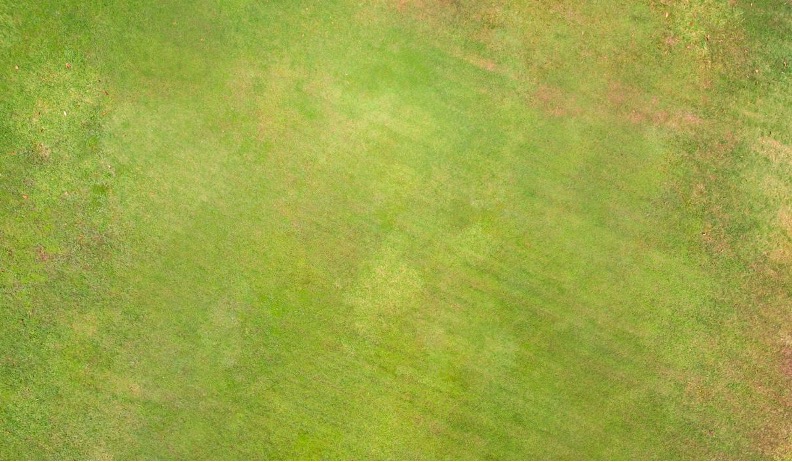
Picture the front yard of an older home in Pelham or Bronxville on a Saturday morning in late August. Out at the curb, in full sun, the turf is decent. Walk twenty feet toward the house and something shifts underfoot. The ground goes hard and hollow sounding. The grass gets sparse, then patchy, then stops entirely, and by the time you reach the trunk of the eighty year old oak there is nothing but bare, dusty ground, a few tufts of something wiry, and a surface of exposed roots you have to step over with the mower. That ring of failure has been widening a little every year, and nothing you have thrown at it has closed it.
People are usually frustrated by this and a little embarrassed by it, because the rest of the property looks cared for and that one area broadcasts neglect. It is not neglect. It is the most difficult growing environment on a residential lot in this county.
The Tree Wins the Water Fight Every Single Time
Start with what is happening below the surface, because that is the half almost nobody accounts for. A large deciduous tree does not draw its water from deep down. The bulk of its absorbing roots sit in the top six to twelve inches of soil, exactly where turf roots live, and they extend well past the edge of the branches. On a warm August day, a full grown shade tree can move hundreds of gallons of water from that soil into the air.
Grass growing in that zone is competing against a root system thousands of times larger, and it loses. This is why the area under a tree can be bone dry three days after a heavy Hudson Valley thunderstorm while the open lawn stays moist. It also explains the nitrogen problem. The same roots strip nutrients from that soil layer, so a standard fertilizer rate that produces a rich green in the open yard barely registers under the canopy.
Two clues confirm it. First, the failing area follows the shape of the tree rather than the shape of the shadow. Second, a screwdriver pushed into the ground under the tree meets resistance within a couple of inches while sliding easily into the open lawn.
Not All Shade Causes the Same Damage
Shade matters too, and the distinctions are practical. High, thin shade filtered through an open crown still delivers usable light and will support turf. Low, dense shade from a tree limbed up only a few feet, or from layered plantings against a house, cuts light to a level where cool season grass cannot manufacture enough sugar to replace what it burns.
Direction matters as much as density. Turf on the east side of a house gets cool morning sun and does surprisingly well on modest total light. Turf on the north side of a house set behind a row of Norway maples, a common arrangement on the older streets of Hastings-on-Hudson and Ardsley, may see almost no direct sun from April through October. Species selection cannot rescue that. Pruning can.
The other overlooked factor is air movement. Shaded turf stays wet longer after dew or rain, and stagnant humid air under a low canopy invites leaf spot and other foliar diseases. Opening the underside of a tree improves light and airflow at the same time, and both help.
Choose Grass That Was Built for the Job
Kentucky bluegrass, which forms the backbone of most sunny lawns here, is a poor choice in shade. It needs high light and spreads slowly under stress. The fine fescues are the group that belongs under a canopy: creeping red, chewings, and hard fescue. They have needle thin blades, tolerate low light better than anything else that survives our winters, and are far more comfortable in the dry, acidic soil found under oaks.
Turf type tall fescue is the useful partner species in the transition band where light is moderate. It roots deeply, which gives it a fighting chance against surface root competition, and it holds color through late summer. A blend weighted toward fine fescues with some tall fescue is what we put down under mature canopy across the county.
Set expectations honestly. Even a perfect shade blend produces a stand that is thinner and lighter in color than the open lawn. Success under an old tree looks like consistent, uniform coverage that never gets thick, not a carpet.
Mow, Water, and Feed That Zone on Its Own Terms
Grass in shade compensates for low light by stretching its leaf blades to capture more of it. Cutting it short removes the very tissue it depends on, so raise the deck to the highest practical setting under trees, in the range of three and a half to four inches, and keep it there through the season.
Watering has to change as well. Because the tree drinks first, that zone needs longer, less frequent soakings than the rest of the property. Short, frequent cycles wet only the surface, where the tree captures the moisture immediately. Most irrigation systems in Harrison and Purchase treat these zones the same as open turf, which quietly guarantees failure.
Feeding needs the same adjustment in the opposite direction. Because the tree is intercepting nutrients, shaded turf benefits from lighter, more frequent applications rather than a heavy dose, which would push soft top growth that shade grass cannot support.
The Fall Plan, in Order
Late August is for pruning and cleanup. Have a certified arborist raise the lower limbs and thin the interior of the crown so filtered light reaches the ground. Clear out accumulated leaf litter and any dead mat.
Early September is for seeding. Slice seeding or aerating and overseeding puts the fine fescue blend into contact with soil, which is essential where surface roots make traditional tilling impossible. Our window for this work runs from the end of August through roughly the third week of September. Seeding under trees later than that is a wasted bag, because the seedlings will not root before soil temperatures drop.
October is for watering, light feeding, and leaf management. Autumn leaves smother thin shade turf faster than they smother a dense sunny lawn, so remove them promptly rather than letting them pack down over the new seedlings.
Sometimes the Right Answer Is Not Grass
We will tell you when we think a spot has lost. If light is very low, if the surface is a solid mat of roots, or if you are on the third round of reseeding the same ring, the durable solution is to stop fighting. A generous mulch bed, or a planting of shade tolerant groundcover, looks intentional, protects the tree from mower damage, holds moisture, and ends the annual cycle. Homeowners in Scarsdale and Larchmont who make that call are almost always happier with the result than they were with a struggling patch of grass.
What to Do Next
Walk out to your worst tree this week and do the screwdriver test in three places: under the canopy, at the drip line, and out in the open lawn. That single check tells you whether you are fighting roots, compaction, shade, or all three. Then call us at 914-361-5501 or request a free quote through lawnsquad.com.
A first visit runs about thirty minutes. We map the light through the day, probe the root zone, identify what is growing there now, and give you a written plan that says what we will seed, when, and what the area will realistically look like. If the honest recommendation is mulch instead of turf, you will hear that from us. When we do seed, expect germination in one to three weeks, visible fill at thirty days, and a modest but even stand by ninety days that thickens through its first spring. Ongoing feeding matters more in shade than anywhere else on the property, which is why our VitaminLawn program treats canopy zones on their own schedule rather than blanketing the yard at one rate.
Lawn Squad of Westchester serves Ardsley, Armonk, Bronxville, Dobbs Ferry, Eastchester, Elmsford, Harrison, Hartsdale, Hastings-on-Hudson, Hawthorne, Irvington, Larchmont, Mamaroneck, Mount Vernon, New Rochelle, Pelham, Pleasantville, Port Chester, Purchase, Rye, Scarsdale, Tarrytown, Thornwood, Tuckahoe, Valhalla, White Plains, and Yonkers. We are independently owned and operated, quotes are free, and our work carries a satisfaction guarantee.