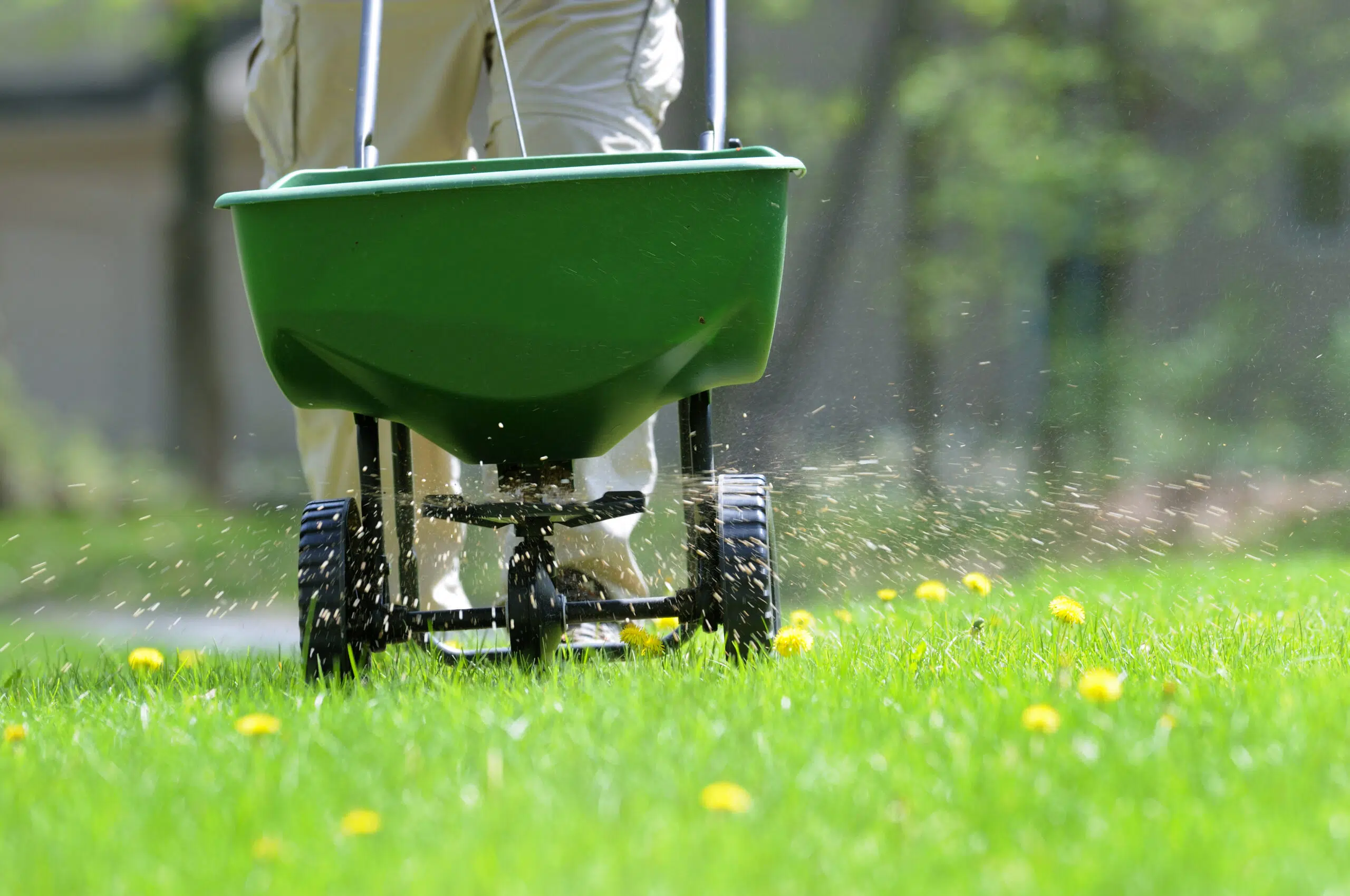
Short Answer: South Miami lawns do not go dormant, but they do slow down as days shorten and nights cool. Cool season weeds do the opposite. They germinate and grow fastest in exactly the window when St. Augustine and zoysia are least able to outcompete them, so any thin spot left over from summer chinch bugs, disease, or shade becomes open ground. The fix is a preemergent applied when soil temperatures start falling rather than on a fixed calendar date, followed by spot treatment of anything that slips through while it is still small.
Why the Cool Season Is Weed Season Here
In most of the country weeds are a spring and summer problem because that is when everything grows. South Miami runs on a different clock. Our warm season grasses put on the bulk of their growth from late spring through summer, and they slow noticeably once daylight shortens and overnight lows start dropping. They do not brown out the way a northern lawn does, but they stop pushing new runners aggressively.
Cool season weeds are built for that exact window. They germinate as soil cools, grow through our mild winter, and set seed before the grass wakes back up. So the lawn is coasting while the weeds are sprinting. Any bare or thin ground going into that period is ground the weeds will claim.
The Weeds You Are Most Likely to See
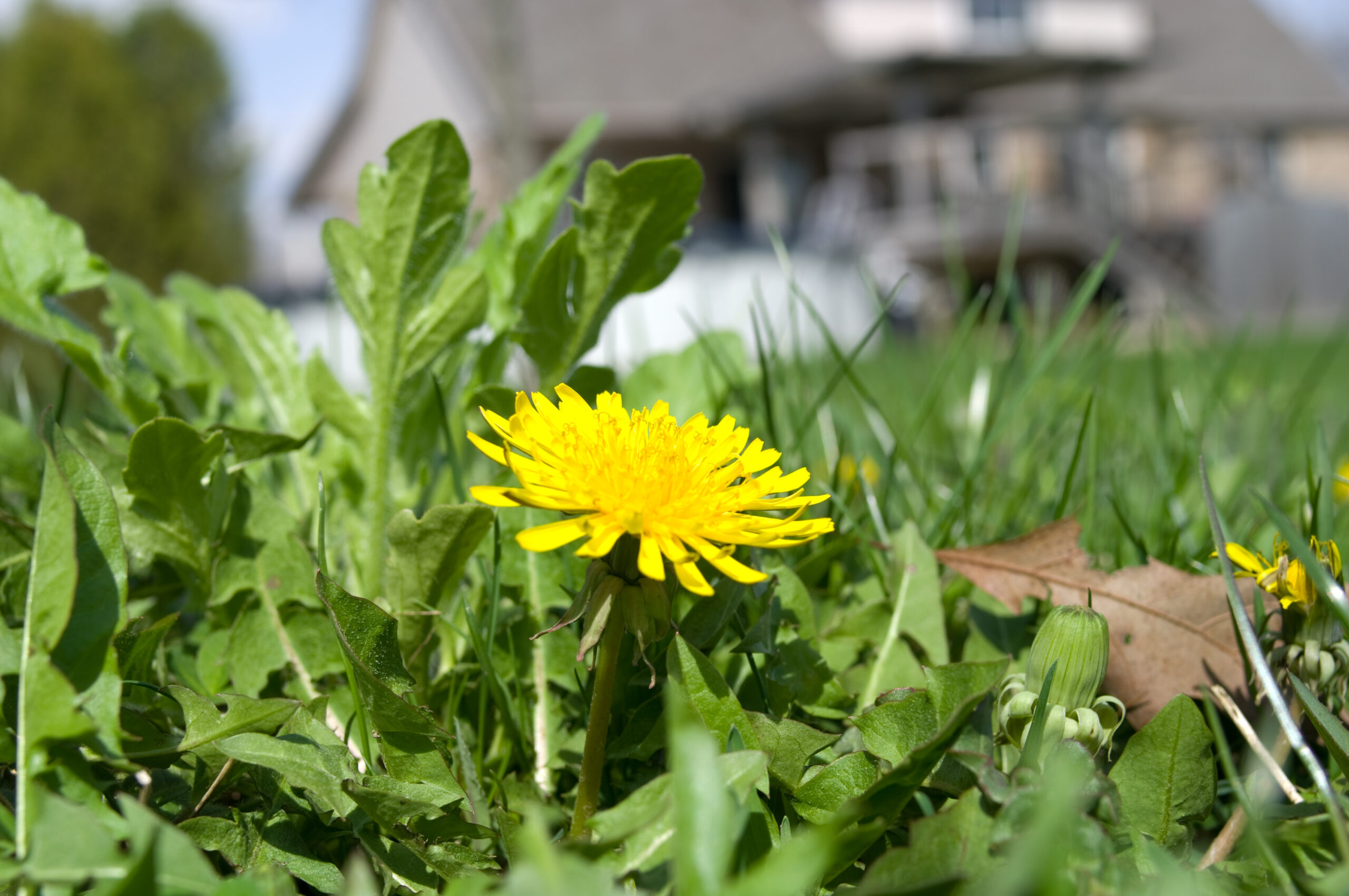
The cast changes a little from yard to yard, but the regulars in this area include annual bluegrass, which forms light green tufts with seed heads that sit right at mowing height, and chickweed and henbit in shaded beds and lawn edges. Broadleaf plantain and Florida pusley show up in compacted, thin areas. Oxalis, with its small clover shaped leaves and yellow flowers, is common in irrigated lawns.
Then there are the year round residents that simply become more visible when the grass slows: dollarweed with its round leaves and a stem attached at the center, various sedges that grow faster than the surrounding turf and stand above it a day after mowing, and doveweed in wet low spots. Correct identification matters, because these groups do not respond to the same products.
Preemergent Is a Soil Temperature Decision
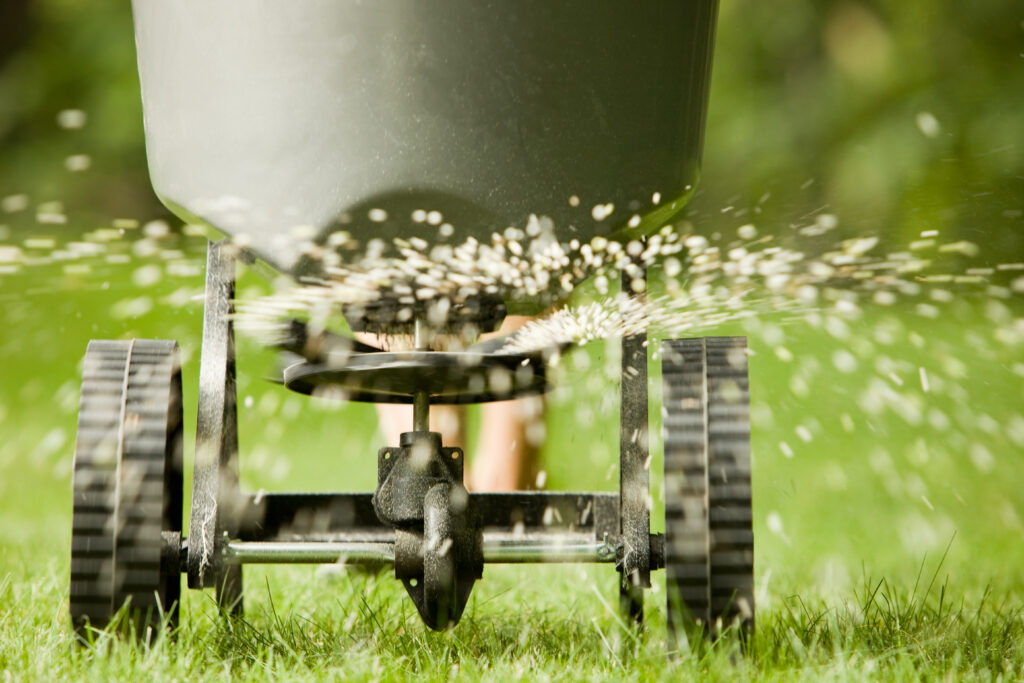
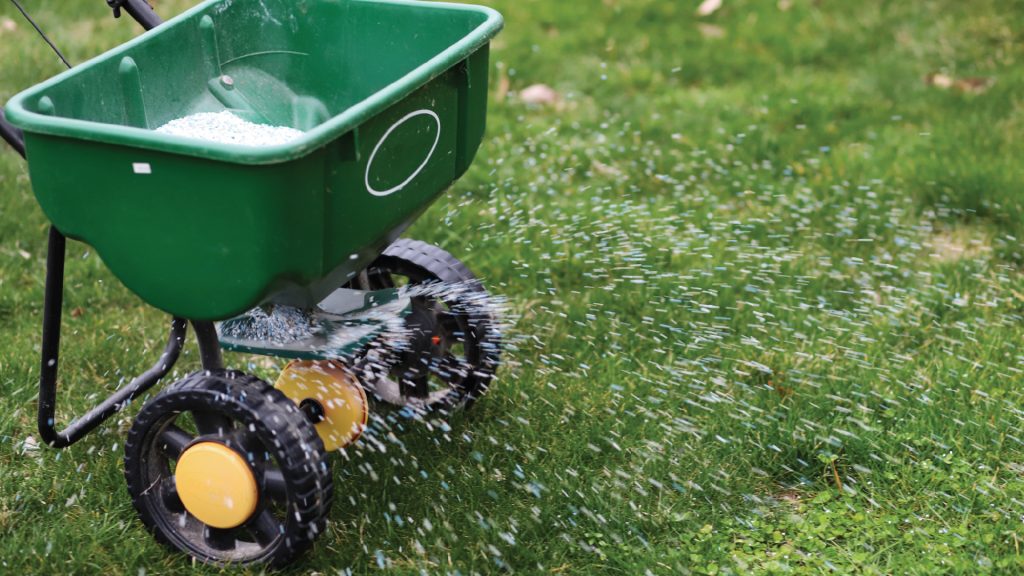
The single most common weed control mistake here is treating preemergent as a date on the calendar. Preemergent herbicide does not kill existing weeds. It creates a barrier in the top layer of soil that stops germinating seeds from establishing, which means it has to be down and watered in before the seeds start to sprout.
For cool season weeds in South Florida the trigger is falling soil temperature, generally as overnight lows begin settling into the sixties and soil in the mid seventies starts dropping. That timing shifts from year to year and even from one side of a neighborhood to another depending on shade and irrigation. Watching conditions rather than the calendar is the whole game.
Why One Application Often Is Not Enough
Sandy South Miami soils drain quickly and hold very little, and our rainfall can be heavy even outside the wet season. Preemergent barriers break down faster under those conditions than they do in heavy clay in a drier climate. A single application that would carry a lawn through an entire season elsewhere may lose effectiveness partway through here.
That is why most effective programs in this region split the work into a sequence of applications timed to the weed pressure rather than one heavy shot in the fall. It is also why applying more product at once is not the answer. Rate limits exist for good reason, and overapplication risks injuring the grass roots you are trying to protect.
What Preemergent Cannot Do
Preemergent will not touch a weed that has already emerged, and it will not help with weeds that spread by tubers, rhizomes, or stolons rather than by seed. Sedges are the clearest example. Nutsedge reproduces from underground tubers, so a seed barrier does almost nothing against an established stand.
Preemergent also does not distinguish between weed seed and grass seed, which matters if you are considering seeding anything. In a St. Augustine lawn that is rarely relevant since repair is done with sod or plugs, but it is worth knowing before you combine a preemergent application with any renovation plan.
Small Weeds Are Cheap, Mature Weeds Are Not
Anything that slips past the barrier should be treated while it is small. A young weed with two or three leaves has a limited root system and a thin cuticle, and it takes up herbicide readily. The same plant six weeks later has a deep taproot or a spreading mat, a waxy leaf surface, and often a seed head already forming.
Mature weeds frequently need repeat treatment, take longer to die, and leave a bigger hole when they finally go. Walking the lawn every couple of weeks through the cool season and spot treating what you find is far more effective than one big rescue effort in February.
Herbicides and St. Augustine Do Not Always Mix
St. Augustine is more sensitive to broadleaf herbicides than most lawn grasses, and some products that are perfectly safe on bermuda or northern grasses will injure it badly. Certain cultivars are more sensitive than others. Temperature matters too, since the same product that is tolerated in mild weather can burn the lawn when applied in heat.
Always read the label for explicit St. Augustine tolerance and for temperature restrictions, and treat a small test area before doing the whole yard if you are unsure. A herbicide injury on St. Augustine leaves a bare patch that has to fill in by runner, which puts you right back where you started.
Thin Grass Is the Actual Cause
Every weed in a lawn is a symptom. Weed seed is present in essentially every yard in South Miami, blown in, tracked in, or already sitting in the soil. What determines whether it becomes a weed problem is whether the seed finds light and open soil. A dense St. Augustine canopy shades the soil surface so completely that most seed never gets what it needs.
So if you had chinch bug damage, a shade problem, a drainage issue, or scalping earlier in the year, the weeds appearing now are the downstream result. Chemical control buys you time. Closing the canopy is what actually ends the cycle.
Mowing and Irrigation Changes That Reduce Pressure
Two free adjustments do a lot of work. First, keep mowing height high. St. Augustine held at three and a half to four inches shades out a large share of germinating weed seed on its own, while a lawn scalped to two inches is effectively a seed bed with some grass in it. Keep mowing through the cool season, just less often, and never remove more than a third of the blade at a cut.
Second, cut irrigation back as the rainy season ends and temperatures fall. Overwatered lawns in winter favor dollarweed, sedges, doveweed, and fungal disease all at once. Less frequent, deeper watering favors the grass instead.
Dollarweed and Sedges Are Telling You Something
If dollarweed or sedge is your dominant weed, treat that as a diagnosis rather than just a nuisance. Both strongly prefer consistently wet soil. Where they are thriving, there is usually a broken or misaimed sprinkler head, a zone running far longer than it needs to, a low spot that collects runoff, or a downspout dumping onto the lawn.
You can spray these weeds and they will come back season after season if the moisture stays the same. Fix the water and the same herbicide application suddenly holds. This is one of the clearest cases where the cheapest fix is a screwdriver and a controller adjustment rather than another product.
Weed Control and Local Fertilizer Rules
Feeding the lawn is part of weed control, because a well fed lawn closes gaps faster than a hungry one. In South Florida, though, timing is constrained. Many counties and municipalities have fertilizer ordinances that restrict nitrogen and phosphorus applications during the summer rainy season, and the restricted dates, allowed product formulations, and exemptions vary from one jurisdiction to another.
Some combination weed and feed products fall under those rules as well, since they carry nitrogen. Check your local requirements rather than assuming, and keep in mind that weed and feed products are usually a compromise anyway. Applying the herbicide when the weeds are vulnerable and the fertilizer when the grass can use it produces better results than a single blended application timed for neither.
What to Do Next
Walk the lawn this week and write down the two or three things that actually bother you about it, then work backward from the window rather than forward from today. Almost every fall mistake we see in South Miami comes from starting with the calendar instead of with the lawn.
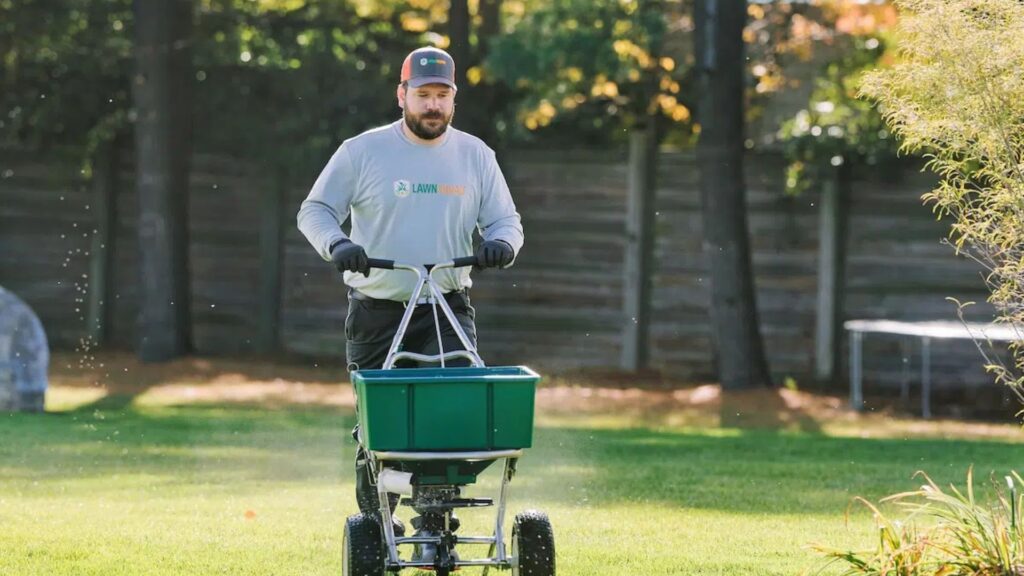
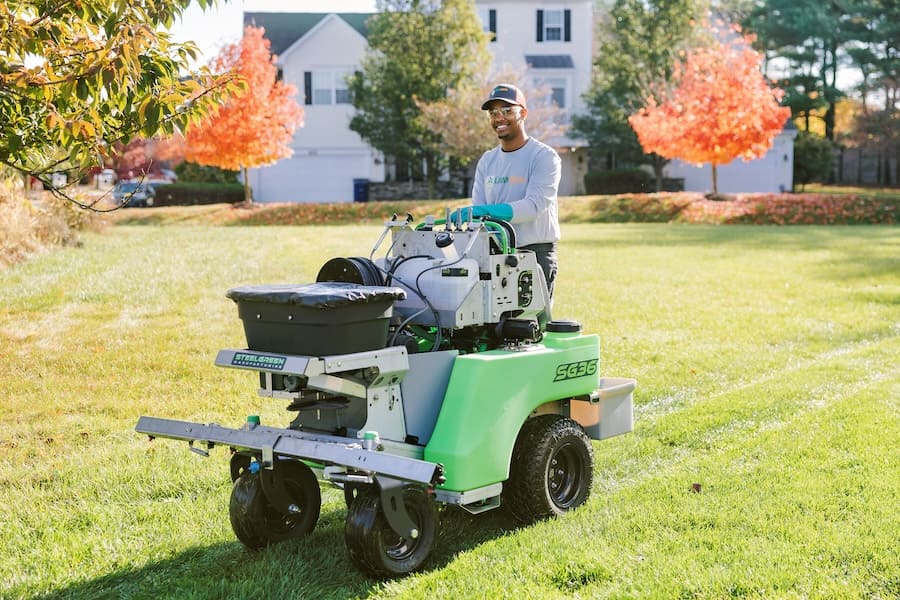
If you would rather have someone look at it with you, Lawn Squad of South Miami offers a free quote. Call 833-816-7508 or find us at lawnsquad.com. Every Lawn Squad location is independently owned and operated, and our VitaminLawn fertilization and weed control program is built around the grass, soil, and conditions here rather than a national average.
A first visit is a walk of the property, a look at the thin areas, a check of mowing height and irrigation, and a straight conversation about what is realistic in the weeks left this season. At 30 days you should see color and density improve. At 90 days the lawn should be visibly thicker, with the root growth that carries it through winter.