
Why Do Fall Armyworms Strike Huntsville Lawns So Fast in August?
Short Answer: Fall armyworms are migratory caterpillars that ride weather systems north into the Tennessee Valley each summer, and pressure varies a great deal from one year to the next. When a flight arrives, the larvae feed unnoticed while small, then strip visible turf in a day or two once they size up, which is why damage feels like it appeared overnight. The reliable way to catch them early is to scout, not to wait for symptoms. Mix dish soap and water, pour it over a small area at the edge of a suspicious patch, and watch what comes to the surface. Treatment works best on small larvae.
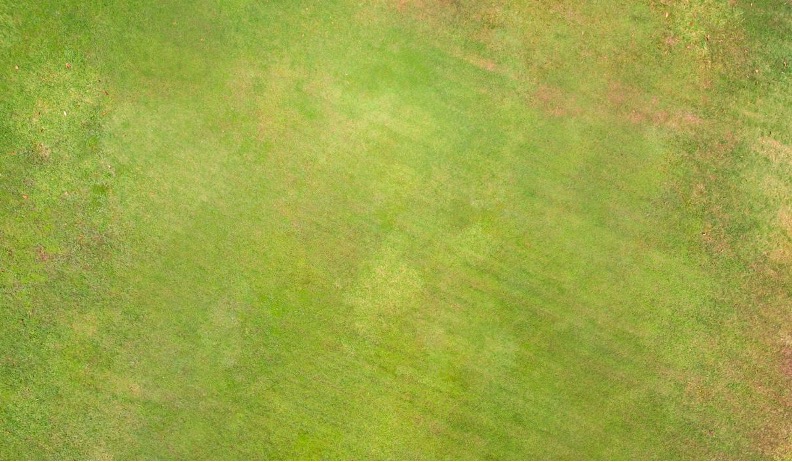
The first sign is almost never the caterpillars. It is a shape. You look across a Madison front yard on a Thursday evening and one corner near the sidewalk reads a little duller than the rest, a slightly grayed cast you write off as a dry spot the sprinkler head is missing. Friday morning that corner is bigger and the edge of it has gone ragged. By Saturday a third of the yard looks like somebody ran a mower across it with no blade, chewed down to stubble and stems, and there is a distinct line where healthy turf stops.
People assume they missed something. They did not. This pest genuinely works on that timeline, and understanding the sequence turns a helpless situation into a manageable one.
Why the Tennessee Valley Sees Them
Fall armyworms cannot survive our winters. Every population here arrives from somewhere else. Moths overwinter along the Gulf Coast and south Florida, then successive generations move north through the growing season, carried further and faster when storm systems push warm air up the interior. By late summer that migration has reached north Alabama, which is why the pest is called fall armyworm despite being an August conversation.
Where we sit makes a difference. Our service area runs right up against working farmland. Row crop fields and hayfields around Toney, Capshaw, and out toward Athens hold far more acreage of preferred host plants than any subdivision does, so populations often build there first. When a hayfield is cut, or a crop is harvested, or the field simply gets eaten out, the larvae move. A well watered, well fertilized bermuda lawn in Harvest or Meridianville sitting next to that ground is the most attractive food source for a quarter mile.
Severity swings hard year to year depending on how the migration lines up with weather. Some seasons we barely field a call. Other seasons the phone starts ringing on a Monday and does not stop. Nobody can tell you in advance which kind of year this will be.
What the Damage Actually Looks Like Up Close
Small larvae cannot chew all the way through a grass blade. They scrape one surface off and leave the thin membrane behind, which dries clear. Hold a blade up against the sky and you see translucent streaks and windows. From standing height that reads as a faint silvering or frosted haze across an area, and it is easy to mistake for drought stress or a fungus.
That stage is the opportunity, and it usually lasts only a few days. As the caterpillars grow their appetite increases dramatically, and the great majority of the total feeding an armyworm does in its life happens in its last few days. That is the biology behind the overnight collapse. They were there all along at a size nobody notices.
Two other clues help. Damage often advances as a front with a defined edge, which is where the name comes from, so you may see a clean line between chewed and untouched turf that moves across the yard day by day. And birds notice before you do. A flock of starlings or a scattering of grackles working one section of a Big Cove lawn with unusual focus is worth a closer look.
The Soap Flush: How to Confirm in Ten Minutes
This is the single most useful thing a homeowner can learn, and it costs nothing. Mix roughly two tablespoons of lemon scented dish soap into a gallon of water. Pick a spot at the boundary between damaged and healthy grass, because that is where the active feeding front sits, and slowly pour the mixture over an area about two feet square.
Wait a few minutes. The soap irritates anything living down in the canopy and drives it to the surface. Armyworms show up as smooth caterpillars, green to brown to nearly black, with pale stripes running the length of the body and a light colored inverted Y marking on the head capsule when they are large enough to read. Finding even a handful in that small area means you have a population worth treating, not a coincidence.
Do the flush in the evening or early morning if you can. Larvae feed most heavily at dusk and after dark and tend to move down into the thatch and shade during the heat of the day. Midday scouting on a hot afternoon in Owens Cross Roads can come up empty on a lawn that is genuinely infested.
Recovery Depends Entirely on Your Grass Type
This is where our market splits, because we work on both warm season and cool season lawns and the outlook is not the same.
Bermuda usually recovers, and often surprisingly well. Armyworms eat leaf tissue but do not destroy the rhizomes below ground or the stolons running along the surface. Once feeding stops, a healthy bermuda lawn in Madison with soil moisture and a functioning root system can push new growth back within two to three weeks, faster in August than it would later in fall. It looks catastrophic and usually is not.
Zoysia recovers too but takes its time, because zoysia simply grows more slowly than bermuda. Expect the fill in to run into weeks rather than days, and expect thin areas to stay visible longer.
Tall fescue is the one to worry about. Fescue is a bunch grass with no runners, so it can only regrow from its own crown. If feeding was severe enough to damage crowns, those plants are gone and nothing regrows in that spot. On fescue lawns in the shaded neighborhoods around Brownsboro and along the mountain, heavy armyworm damage in August often converts directly into a fall seeding project. The good news is that our seeding window is opening anyway, so the repair fits the calendar.
Treatment, Timing, and What Not to Waste Money On
Insecticide applications work well against armyworms when the larvae are small, and progressively less well as they grow. Large caterpillars are harder to kill and have already done most of their eating, so a late application can succeed technically while the lawn still looks wrecked. Speed matters more than product selection.
A few practical details make treatments land better. Mow before treating if the grass is tall, so material reaches the canopy where larvae actually sit. Apply in the late afternoon ahead of evening feeding. Unlike a grub product, most surface insect applications should not be immediately drenched with irrigation, because you want residue where the caterpillars are rather than washed to the root zone. And do not assume one treatment ends the season. Additional flights can arrive weeks later, so keep scouting into September.
What we steer people away from is a preventive blanket spray on a schedule. This is a migratory pest whose arrival is unpredictable, and calendar spraying for it usually means spending money on nothing. Scouting is cheaper and more accurate. Also resist the urge to dump nitrogen on a chewed lawn to force it back. On bermuda and zoysia in late August we want growth slowing for winter, and a heavy feeding now trades spring health for a few weeks of green. Steady water and patience do more.
What to Do Next
If your lawn looks fine, spend five minutes a week walking it, especially the sunny, well fed sections and any edge that borders open ground. If you see silvering or a ragged advancing edge, run the soap flush the same day and call us. If a section is already stripped, we can confirm whether larvae are still active or the flight has passed, which changes whether treatment is worth doing at all. We will tell you honestly when the answer is water and wait.
A first visit takes about half an hour. We scout the property, identify your grass, check for other late summer issues that mimic armyworm damage, and give you a straight read on recovery. When treatment is warranted, feeding typically stops within a day. At 30 days a bermuda or zoysia lawn should be substantially filled back in with color returning, while a badly hit fescue lawn will be on a seeding plan instead. At 90 days you should not be able to tell where the damage was on warm season turf, and new fescue should be established and thickening.
Season long protection and recovery both work better inside a full program, which is why our VitaminLawn service is built around your specific grass, our limestone influenced valley soils, and the north Alabama calendar. Lawn Squad of Huntsville serves Huntsville, Madison, Harvest, Athens, Toney, Capshaw, Hazel Green, Meridianville, New Market, Normal, Brownsboro, Big Cove, Gurley, Ryland, and Owens Cross Roads. Call 983-233-6002 or visit lawnsquad.com for a free quote. We are independently owned and operated and we back our work with a satisfaction guarantee.