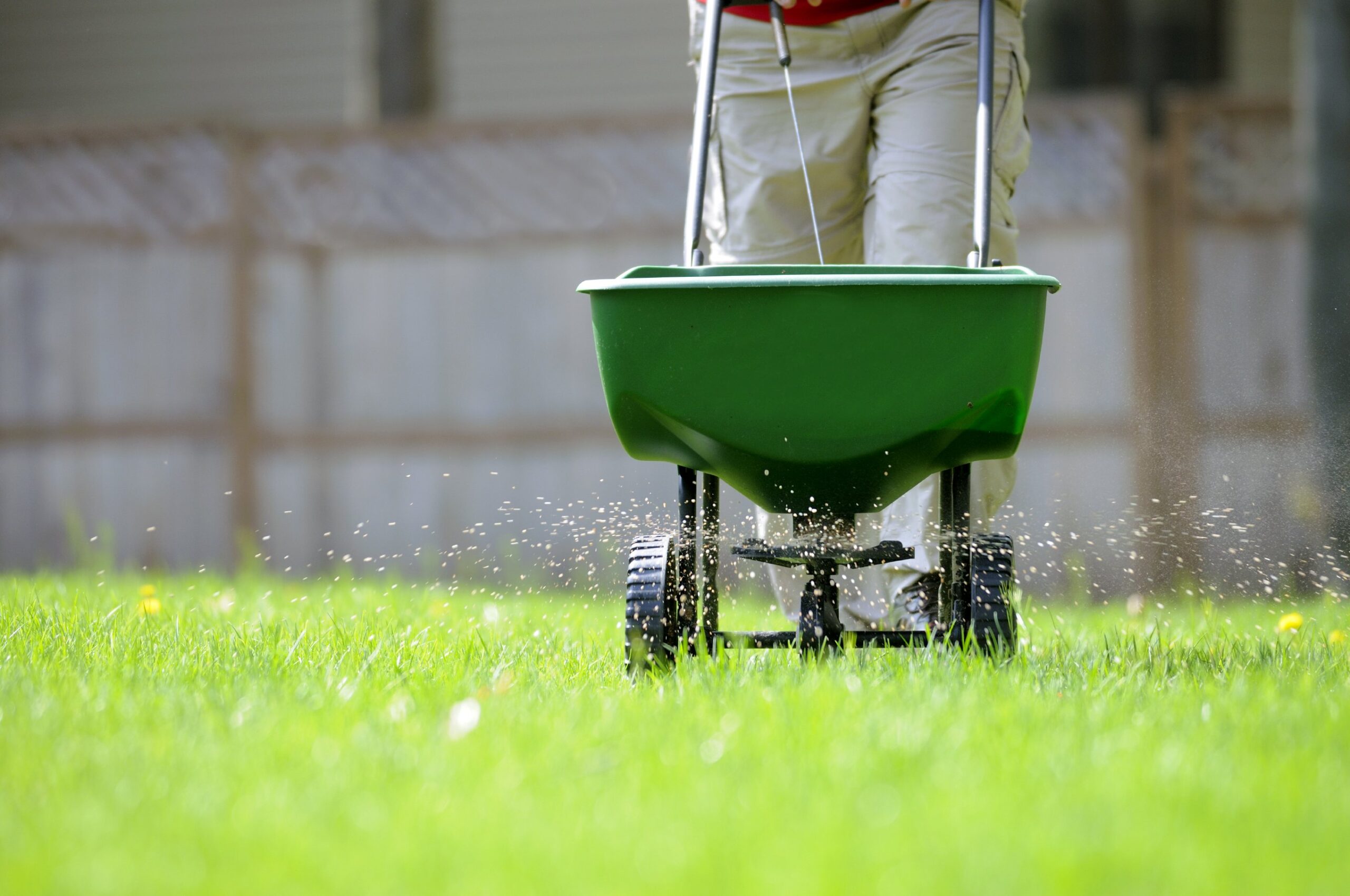
When Should You Stop Fertilizing Your West Houston Lawn This Fall?
Short Answer: For most West Houston lawns, the last nitrogen application of the year should go down in late September or the first half of October, roughly four to six weeks before our first expected frost. Warm season grasses like St. Augustine, Bermuda, and zoysia are winding down rather than gearing up, and nitrogen applied after that window pushes tender growth that cold weather damages and that large patch disease feeds on. A fall application leaning on potassium rather than nitrogen supports root reserves and cold hardiness. The late fall nitrogen feeding recommended in northern states is genuinely the wrong move on Gulf Coast turf.
If you have read a fall lawn care article lately and came away thinking you should put down a heavy winterizer feeding in November, we want to catch you before you do. That advice is real, it is well researched, and it applies to Kentucky bluegrass in Chicago. On a St. Augustine lawn in Katy or Cypress, it can cause the exact damage you are trying to prevent.
This is one of the most common pieces of misapplied advice we run into across West Houston. Most national lawn content is written for cool season grass, because that is where most of the country’s lawns are. Ours behave differently, and fall is the season where the difference matters most. Here is what your grass is actually doing right now and what it needs from you.
Your Grass Is Winding Down, Not Gearing Up
St. Augustine, Bermuda, and zoysia are warm season grasses. They grow hardest when soil is warm, peaking through our long summer, and they slow and eventually go dormant as nights cool. Cool season grasses do the opposite, hitting their strongest growth phase in fall. That single difference drives everything else.
In October around here, your lawn is beginning a transition. Growth slows, mowing frequency drops, and the plant starts moving carbohydrates out of leaf tissue and into stolons, rhizomes, and roots for winter storage. That is a deliberate, healthy process. The plant is packing away food to survive dormancy and to fuel green up in March.
Nitrogen interrupts that. Nitrogen tells a grass plant to make leaves. Applied in late fall, it pulls the plant back toward top growth right when it should be storing reserves, and it produces soft, tender tissue at the worst possible time of year.
The Last Nitrogen Date
The guideline we work from is four to six weeks ahead of the first expected frost. In West Houston that first frost typically lands somewhere between late November and mid December, and it varies a good deal from Fulshear out west to inside the Beltway, where the urban heat island pushes it later.
Working backward, that puts the final nitrogen application in late September through the first half of October for most properties we manage. If you have not fed since summer, there is still a window right now. If you fed in early October already, you are done with nitrogen for the year, and that is the correct place to stop.
Applying nitrogen in November produces a flush of soft new growth with no time to harden off. The first real cold snap burns it. The plant has now spent stored energy building tissue it immediately lost, which is the opposite of a good trade going into dormancy.
Large Patch Is the Real Risk
Here is the part that turns a wasted application into an expensive one. Large patch, which many homeowners around here call brown patch, is a fungal disease caused by Rhizoctonia. It is extremely common on St. Augustine along the Gulf Coast, and it becomes active in exactly the conditions our fall delivers. Soil temperatures dropping through the seventies into the sixties, cooler nights, heavy dew, and extended leaf wetness.
Excess nitrogen is one of the clearest triggers. It produces the lush, soft, dense growth the fungus moves through easily, and it keeps the canopy humid longer. We see this pattern every single fall. A homeowner feeds heavily in late October hoping for one more green push, and by mid November has expanding circular patches of collapsed tan grass across the lawn.
Those patches do not recover in winter, because the grass is not growing enough to fill them. They sit there until spring and often come back in the same spots the following fall. Skipping that late nitrogen application is the cheapest disease prevention available.
What to Apply Instead
Fall is a good season to feed warm season turf, just not with nitrogen as the headline. Potassium is what the plant can genuinely use right now. It supports cell wall strength, root development, and stress tolerance, which translates to better cold hardiness through dormancy and a cleaner green up in spring.
A fall application weighted toward potassium with little or no nitrogen gives the plant what it is asking for without the growth flush. On our alkaline Gulf Coast soils, iron is often worth including too, since high soil pH locks up iron and makes it hard for grass to take up. Iron improves color without pushing growth, which is exactly the combination you want in October.
Worth being honest about a limit here. A potassium application is useful, not dramatic. You will not look outside and see a transformation. It is a deposit into next spring rather than a change you watch happen.
Gumbo Clay Changes the Math
Most of West Houston sits on heavy clay, the gumbo that swells when wet and cracks when dry. It holds nutrients reasonably well, which is one genuine advantage, but it drains slowly and it stays wet for days after our heavy rains.
That matters in fall because extended soil moisture plus cool temperatures is precisely the large patch recipe. On a sandy lawn, a fall nitrogen mistake might cost you some winterkill. On Katy gumbo that holds water in the root zone for a week, the same mistake invites disease on top of it.
Our soils also tend to run alkaline, commonly in the high sevens and sometimes above eight. High pH reduces availability of iron and manganese regardless of how much fertilizer goes down. This is why lawns here sometimes look pale despite a full feeding program, and why a soil test tells you more than another bag of product will.
Why the Northern Advice Keeps Circulating
We are not saying the winterizer strategy is wrong. On cool season turf it is well supported and genuinely effective, because those grasses grow roots actively into late fall and store what you feed them. The problem is that most lawn content online does not specify which grass it is written for.
The practical filter is simple. If an article talks about bluegrass, fescue, or ryegrass as your main lawn grass, it was not written for West Houston. If it talks about St. Augustine, Bermuda, or zoysia, it probably was. Almost every established lawn from Memorial out through Katy and Fulshear falls in the second group.
Most homeowners we talk with are relieved rather than annoyed to learn this, mainly because it means one less thing to do in November.
What to Do Next
Start by identifying your grass, because the whole schedule depends on it. St. Augustine has broad, flat blades and spreads by above ground runners you can see on the surface. Bermuda has fine, narrow blades and a dense low growth habit. Zoysia is somewhere between, stiff to the touch and slow to spread. If you are unsure, pull a small piece and compare the blade width to a pencil.
If you have not fed since August, get a fall application down promptly while the window is still open, and make it the last nitrogen of the year. If you already fed in early October, stop there. A potassium and iron application can still go down later without the disease risk nitrogen carries.
Through the rest of fall, keep mowing at your normal height as long as growth continues, and resist the urge to scalp the lawn before winter. Cut back on watering as temperatures drop, since a wet, cool canopy is what large patch needs. Watering in the early morning rather than the evening shortens the hours the leaf blade stays wet.
If you would rather have someone else handle the timing decisions, product selection, and disease watch for your West Houston lawn, we are here for that. Visit lawnsquad.com to find Lawn Squad of West Houston and request a free quote on your property. Our VitaminLawn program is built around the warm season grasses, gumbo clay, and alkaline soils we actually work with here.