Watering, Thatch, and Disease: Habits That Protect Jacksonville and St. Augustine Lawns This Winter

Watering, Thatch, and Disease: Habits That Protect Jacksonville and St. Augustine Lawns This Winter
Short Answer: Most fall and winter lawn disease in Northeast Florida starts with conditions homeowners can control. Overwatering, evening irrigation, thick thatch, heavy fall nitrogen, poor drainage, and dense shade all keep St. Augustine, zoysia, and centipede wet and stressed, which is exactly what large patch, take-all root rot, and other diseases need. Here is what we have found works best: cut irrigation back for cooler weather and water only in the morning, keep fall fertilizer light, mow at the right height, manage thatch, and improve drainage and air movement. These habits prevent more disease than any single treatment.
If you are reading this, you may have dealt with lawn disease before and wondered why it keeps coming back. You treated the brown patches last fall, the lawn recovered by summer, and now the same spots are turning yellow again.
That cycle is common in Northeast Florida, and it usually points to conditions in the lawn rather than bad luck. The fungi that cause most lawn diseases live in the soil all the time. Whether they cause damage depends largely on how the lawn is watered, fed, and mowed. Here are the habits that make the biggest difference this time of year.
Why Habits Matter More Than Products
Fungicides can help, especially for lawns with a long history of disease. But a fungicide cannot overcome a lawn that stays wet for twelve hours a day. Changing the conditions that favor disease is the foundation. Treatments work best on top of good habits, not instead of them.
Habit One: Adjust Irrigation for Cooler Weather
This is the single most important change most Northeast Florida homeowners can make in fall. As temperatures drop, St. Augustine, zoysia, centipede, and Bahia use far less water than in summer. Yet many irrigation systems keep running on summer schedules into November and beyond.
Here is what we have found works best. Cut irrigation run times and frequency significantly in fall. Water only when the lawn shows signs of needing it, such as folded or bluish-gray blades or footprints that stay visible. In many weeks of November, rainfall is enough on its own. Check whether your area has watering day restrictions, which are common in Florida.
Habit Two: Water Only in the Morning
When you do water, the time of day matters. Watering in the evening or overnight leaves the grass wet until morning, giving fungi many hours of ideal conditions. Watering early in the morning lets the grass dry quickly as the sun comes up.
If your system has a rain sensor, make sure it is working, so the sprinklers do not run after a storm.
Habit Three: Keep Fall Fertilizer Light
Heavy nitrogen in fall produces soft, lush growth that diseases like large patch attack easily. Finishing the main nitrogen feedings by early fall and keeping any later feeding light and slow-release reduces disease pressure. Centipede, in particular, should not get late-season nitrogen. Iron can help maintain color without pushing growth.
Habit Four: Mow at the Right Height
Mowing too short stresses the grass and makes it more vulnerable to disease. St. Augustine does best at around three and a half to four inches. Zoysia and centipede are mowed lower, depending on variety. Keep those heights through fall and winter, and never scalp the lawn.
Use a sharp blade. Dull blades tear the grass, leaving ragged wounds that are easier for fungi to infect.
Habit Five: Manage Thatch
Thatch is the layer of dead and living stems and roots between the grass blades and the soil. A thin layer is normal. A thick layer holds moisture, harbors fungi, and keeps the base of the grass wet. Zoysia and St. Augustine can both build up thatch over time, especially with heavy fertilization and frequent watering.
Moderate fertilization, proper watering, and occasional dethatching or aeration during the active growing season, not in fall, help keep thatch in check.
Habit Six: Improve Drainage
Low spots, compacted soil, and areas where water collects after rain are where disease often starts. Extending downspouts away from the lawn, adjusting sprinkler heads that overspray onto turf, and gradually filling low areas all help.
Habit Seven: Let Air and Light In
Shaded areas under live oaks, magnolias, and pines stay damp longer after dew or rain. Thinning tree canopies where practical, trimming shrubs that block air movement, and avoiding dense plantings right against the lawn help the grass dry faster.
Habit Eight: Clean Up Leaves and Pine Needles
Fall leaves and pine needles left on the lawn hold moisture against the grass and block light. Mulch or remove them regularly, especially in shaded areas.
Habit Nine: Avoid Spreading Disease
If a patch is actively spreading, mow the diseased area last or rinse the mower afterward. Avoid walking through wet, diseased areas and then across healthy grass.
Habit Ten: Check the Sprinkler Coverage
Run each irrigation zone and watch where the water lands. Heads that overspray onto patios, spray directly against the house, or overlap heavily in one corner create soggy spots that invite disease while other areas stay dry.
Habit Eleven: Keep the Lawn Healthy Year-Round
A lawn that is fed appropriately in spring and summer, watered deeply and infrequently, and mowed properly is more resistant to disease in fall and winter. Disease prevention is not just a fall project.
Diseases These Habits Help Prevent
Large patch is the most common fall and spring disease in St. Augustine, zoysia, and centipede across the area. Take-all root rot affects St. Augustine roots and is favored by excess moisture and high pH. Gray leaf spot affects St. Augustine in warm, humid weather and is encouraged by heavy nitrogen. Fairy ring causes rings of dark green or dead grass and is linked to buried organic material and dry soil conditions. All of them are influenced by watering, fertilizer, and drainage.
Habit Twelve: Choose the Right Grass for the Spot
Some areas simply do not suit the grass growing there. Zoysia or St. Augustine in deep shade, or any turf in a constantly wet low spot, will struggle with disease no matter what. Replacing turf in those spots with a shade-tolerant variety, a mulched bed, or groundcover can solve a problem that treatments cannot.
Habit Thirteen: Watch After Storms
Tropical systems and nor’easters can bring several inches of rain in a short time. After heavy rain, turn irrigation off until the lawn has dried out, and watch low areas for disease over the following weeks.
When to Add Treatment
For lawns that have had the same disease in the same spots year after year, preventive fungicide treatments in fall and spring can make a big difference, especially combined with the habits above. A confirmed diagnosis helps target the right treatment.
Check Local Rules
Some Florida counties and cities have fertilizer ordinances and watering restrictions. Following them protects water quality and keeps you in compliance.
What Better Habits Look Like Next Year
Imagine this. It is next November. The same zoysia that had brown circles three falls in a row is green and even. You cut the irrigation back in October, switched to morning watering, kept the fall feeding light, and thinned the oak canopy over the backyard. The fungus is still in the soil, but it never found the conditions it needed.
What to Do Next
This month, cut your irrigation run times and frequency for cooler weather, switch to early morning watering only, and make sure your rain sensor works. Keep fall fertilizer light, mow at the right height with a sharp blade, clear leaves and pine needles, and note where disease has appeared so preventive treatment can be planned.
If you would rather have someone else keep an eye on lawn disease in your Northeast Florida yard, we are here for that. Lawn Squad of Jacksonville-St. Augustine serves homeowners across Jacksonville, St. Augustine, and the surrounding area. Visit lawnsquad.com to request a free quote.
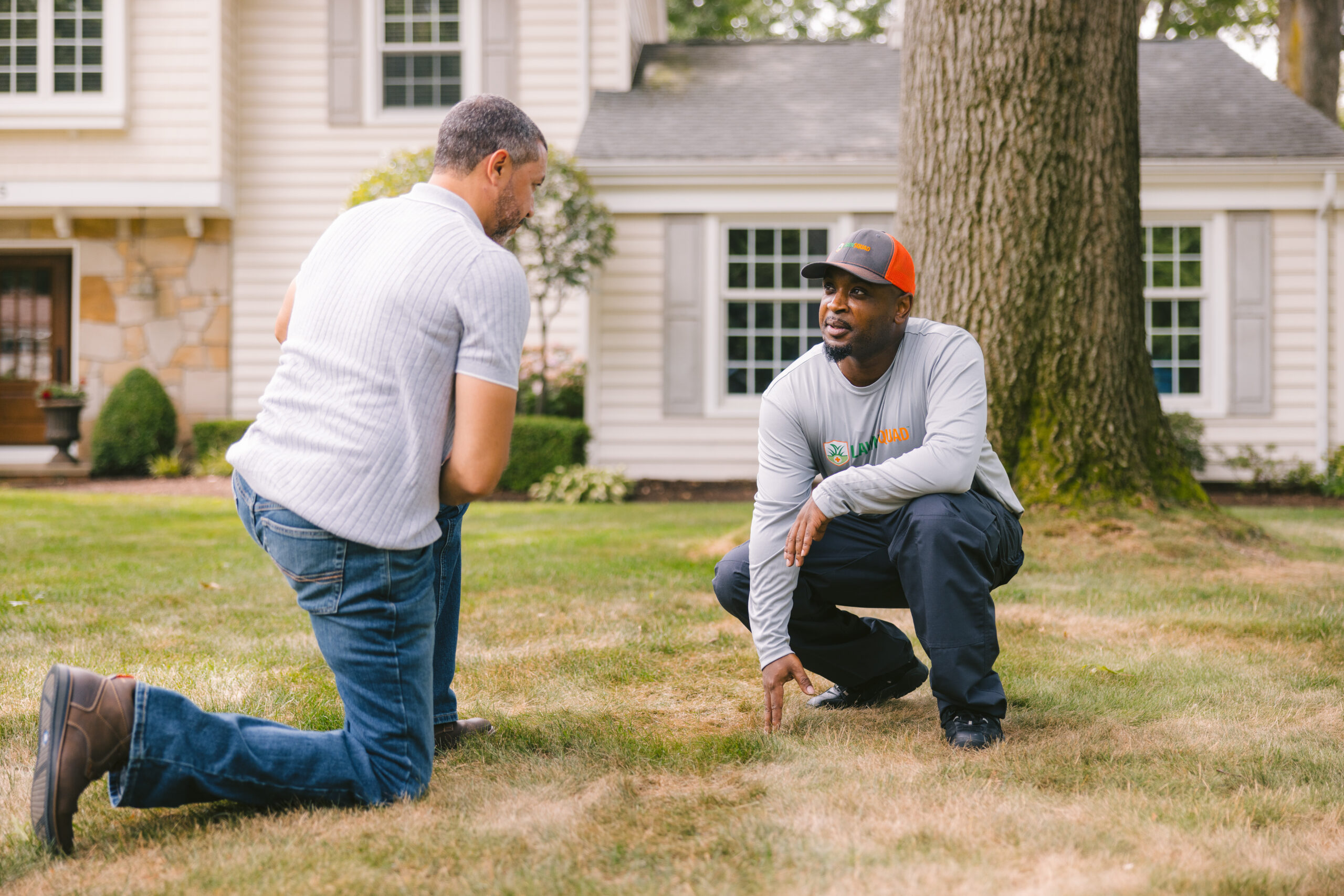
Here is what to expect. We will walk your lawn, look closely at any patches or thin areas, and talk through your watering, mowing, and fertilizing habits. Then we will explain what we think is happening, what we would treat, and what you can change to help. If your lawn does not need a treatment, we will tell you that honestly.