
Should My Chattanooga Lawn Be Warm-Season or Cool-Season Grass This Fall?
Short Answer: In our transition zone, elevation and sun hours decide more than preference does. Valley floor lawns in Chattanooga, Hixson, East Brainerd, and Ringgold collect enough summer heat and open sun for bermuda and zoysia to genuinely thrive, and those grasses are the lower input answer on a wide open lot. Several hundred feet higher on Signal Mountain and Lookout Mountain, summers run cooler and the canopy is heavier, so turf-type tall fescue behaves the way it does in true cool-season country. Sun exposure is the tiebreaker. Under six hours of direct sun, warm-season grass will disappoint you regardless of your address.
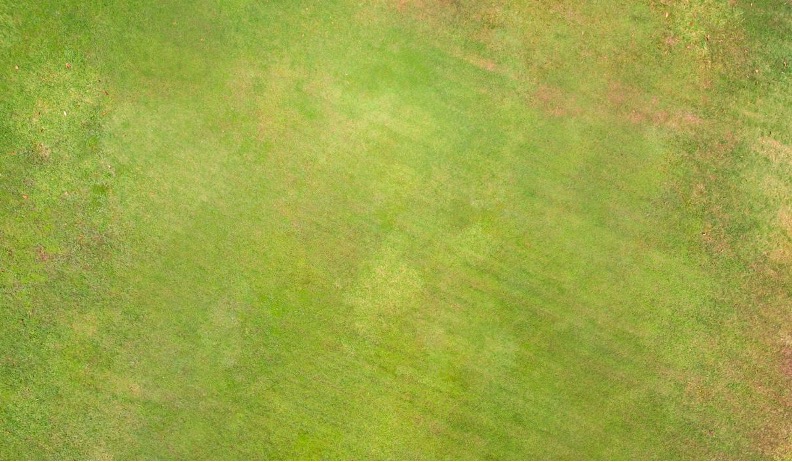
Walk out your back door on an August evening in the valley and the lawn tells on itself. The strip of bermuda along the south side of the driveway is dark, dense, and creeping into the mulch bed for the third summer running. Twenty feet away, under the water oak, the fescue you seeded two Octobers ago has gone pale and wiry, thinned down to soil in patches the size of dinner plates. Same yard, same hose, same homeowner. Two completely different grasses, and only one of them is having a good year.
Most homeowners we talk to in August are not confused about what they see. They are tired of buying seed every fall and watching it disappear by the following July, and they want somebody to tell them straight whether the problem is their effort or their grass. Usually it is the grass, and that is a much easier fix.
Why This Question Is Harder Here Than Almost Anywhere Else
Chattanooga sits in what agronomists call the transition zone, the band across the middle of the country where summers get hot enough to punish cool-season grasses and winters get cold enough to bother warm-season ones. Neither category gets an easy year. Bermuda and zoysia go dormant and tan from roughly late October into April, which is longer than a Birmingham lawn stays brown. Tall fescue, meanwhile, hits July and August in the valley and spends those weeks defending itself rather than growing.
The practical result is that there is no grass in our market that looks perfect twelve months a year without help. Anyone who tells you otherwise is selling something. What we can do is match the grass to the site so that the hard months are survivable instead of destructive, and so that the money you spend goes into a lawn that is getting stronger each season rather than one you are rebuilding annually.
Elevation Is Doing More Than You Think
Our service area covers a genuinely large vertical range, and it changes the answer. The valley floor around downtown Chattanooga, Red Bank, Harrison, and Ooltewah sits low, holds heat through the night, and reflects it back off pavement and rock. That is bermuda and zoysia weather. Those grasses want soil that stays warm and long stretches of direct sun, and the valley delivers both.
Climb the grade to Signal Mountain or Lookout Mountain and you are several hundred feet up. Summer nights run measurably cooler, morning fog hangs longer, and the mature hardwood canopy that makes those neighborhoods beautiful also cuts the light budget substantially. Lawns up there behave far more like Knoxville or southwest Virginia than like the valley eight miles away. We routinely see healthy, dense tall fescue on mountain properties in the same August week that valley fescue is struggling badly. If you live on the brow and someone has told you bermuda is the obvious choice for Tennessee, they are describing a different piece of ground than yours.
The Sun Test That Settles Most of These Arguments
Before elevation, before soil, before anything else, count sun hours. Pick a clear day and check the lawn at four points: mid-morning, noon, mid-afternoon, and late afternoon. You are looking for unobstructed, direct sun, not bright shade under a canopy.
Bermuda needs seven or more hours to hold density, and it is unforgiving below that. Zoysia is meaningfully better, and a good zoysia will hold on in five or six hours of sun, though it will thin gradually in anything less. Turf-type tall fescue is the most shade tolerant option we plant, and it will carry a respectable lawn on four hours of direct light plus filtered light the rest of the day. That is why so many older lots in Red Bank and along the Lookout Mountain approaches are fescue lawns whether anyone planned it that way or not. Their owners tried bermuda, watched it fail under the canopy, and switched.
What Committing to Warm-Season Actually Costs You
Bermuda and zoysia are genuinely lower input once established. They handle August drought without complaint, they repair themselves by spreading rather than by seed, and they do not need annual overseeding. Establishing them is the expensive part, because in our region that generally means sod or sprigs rather than seed, and the work happens in late spring or early summer rather than fall.
The trade is winter color and patience. Your lawn will be tan from the first hard frost until soil temperatures pull it out of dormancy in spring, which in North Georgia and the valley is usually well into April. Zoysia in particular greens up slowly and can look sullen for weeks after the neighbor’s fescue has already been mowed twice. If a green January lawn matters to you, know that going in.
What Committing to Cool-Season Actually Costs You
Turf-type tall fescue gives you green through winter, tolerates shade, establishes from seed, and does it on a fall calendar that works well with our climate. The honest cost is that fescue is a bunch grass. It does not spread to fill damage. Whatever the summer takes out, you replace with seed, and in our valley that means budgeting for aeration and overseeding every single fall rather than occasionally. Homeowners who skip two years in a row are usually looking at a renovation instead of a touch up.
Our fall seeding window here typically opens as soil temperatures ease back through the mid-seventies, which lands in mid-September on the valley floor and often a week or two earlier on the mountains. Seeding into October is possible, but every week you wait cuts the root development a young plant gets before winter, and shallow-rooted fescue is exactly what fails first the following July.
The Split Lawn Problem, and Why It Is So Common Here
A large share of properties we walk in Collegedale, Apison, Fort Oglethorpe, and Ringgold are not one lawn. They are a sunny bermuda front and a shaded fescue back, or a fescue lawn with bermuda steadily invading from the street side. This is the most frequent situation in our market and the one homeowners fight hardest.
The workable answer is usually to stop fighting it and draw a line. Let the sunny zone be warm-season and manage it accordingly, keep the shaded zone in fescue, and use a hard edge such as a walk, bed, or drive as the border. Trying to force one grass across both conditions means half the lawn is always losing. Where bermuda is pushing into fescue you want to keep, there are selective suppression options, but they take multiple seasons and honest expectations rather than one application.
What to Do Next
Start with the sun count this week, then call us for a free quote and a walkthrough at 423-287-4871 or find us at lawnsquad.com. A first visit is a conversation on the property, not a pitch. We check sun exposure zone by zone, probe the soil, look at what is actually growing versus what you think is growing, and give you a straight recommendation, including the times the right answer is to keep what you have and simply feed it better.
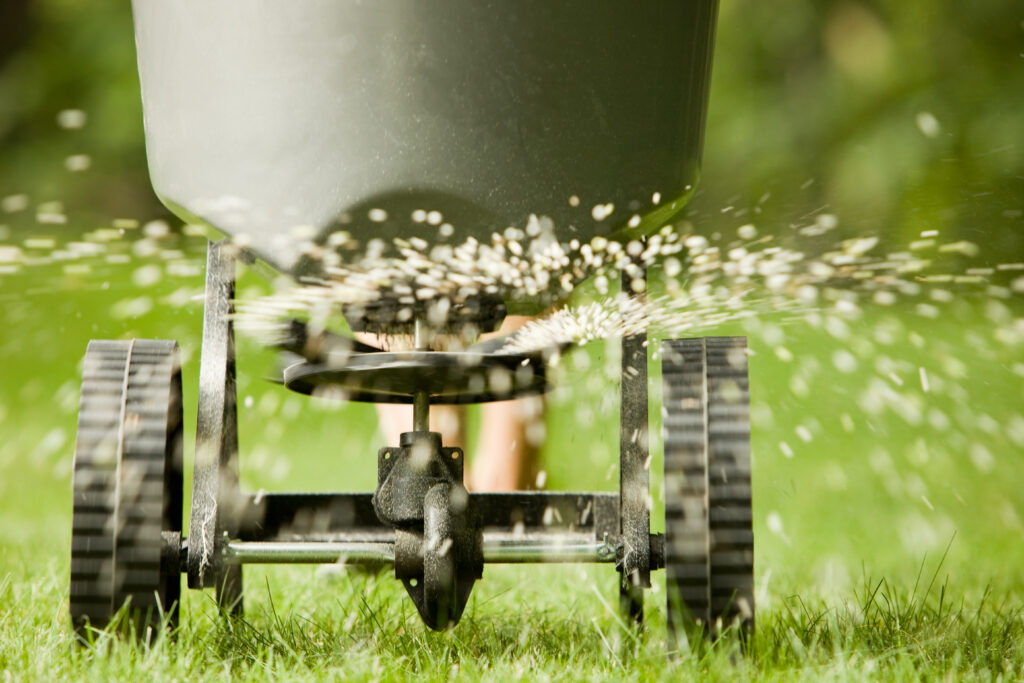
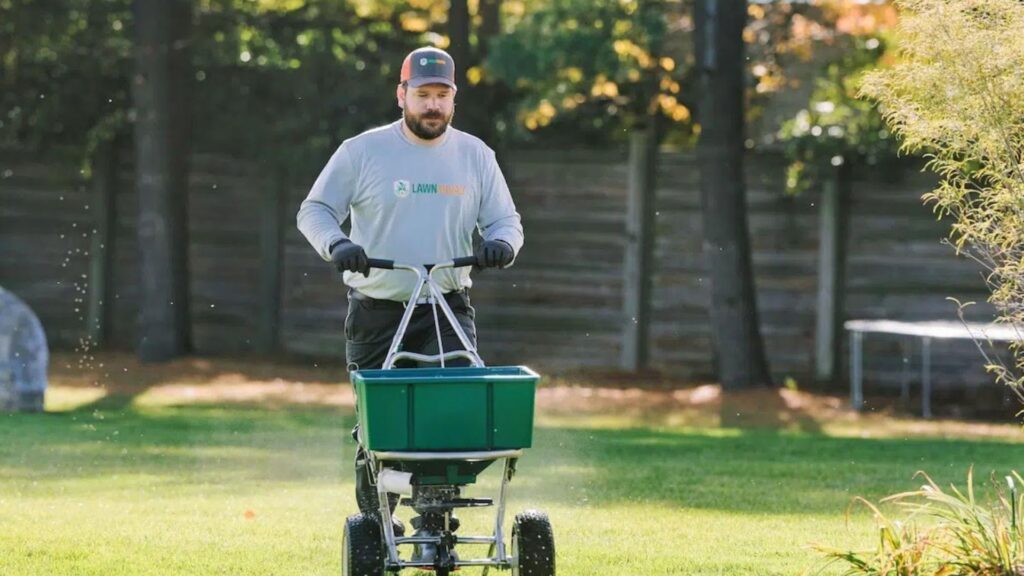
If the plan is fescue, we schedule aeration and overseeding for the September window and you should see germination inside two to three weeks, with real fill-in and color by the 30-day mark. At 90 days you have a lawn that is thick, green through the holidays, and rooted deeply enough to face next summer. If the plan is warm-season, fall becomes preparation season, soil correction and weed pressure knocked down now so a spring or early summer installation has clean ground to take.
Either direction, our VitaminLawn program builds the fertilization and weed control schedule around your specific grass type, your soil, and where your property sits on the map, because a Hixson bermuda lawn and a Signal Mountain fescue lawn should not be on the same calendar. We serve Chattanooga, Hixson, Harrison, Red Bank, Soddy-Daisy, Lakesite, Ooltewah, Collegedale, Apison, East Brainerd, Signal Mountain, Lookout Mountain, Cleveland, McDonald, Graysville, Wildwood, Flintstone, Rossville, Fort Oglethorpe, Chickamauga, Ringgold, Cohutta, and Tunnel Hill. Every location is independently owned and operated, and every quote is free.