Short Answer: North Dallas Bermuda lawns shift through distinct color stages during spring transition. Tan-brown dormant winter color. Olive-brown early activity color. Light green active growth. Bright emerald full activity. Each stage takes 2 to 4 weeks. Reading where your lawn is in this progression helps time decisions about fertilization, scalping, mowing, and other care. Color also reveals problems: persistent paleness suggests iron deficiency, yellowing suggests nitrogen deficiency, patchy color suggests damage or disease. Most color issues respond to specific interventions that match the underlying cause. Here is the practical guide for properties across Plano, Frisco, McKinney, Prosper, and the surrounding area.
Bermuda lawn color is one of the most readable diagnostic signals available to homeowners. Different color stages indicate different growth phases. Specific color problems point to specific underlying causes.
Across Plano, Frisco, McKinney, Prosper, Allen, Celina, and our broader service area, here is the practical guide.
The Spring Color Progression
Bermuda transitions through predictable color stages each spring:
Tan-brown (dormant): the winter color. Grass blades are dead at the surface but stolons and crowns are alive underneath. This is the starting point of spring.
Olive-brown (early activity): the first stage of spring activity. Stolons are waking up but blade tissue has not yet emerged. Some homeowners get concerned at this stage assuming the lawn is dead. Inspection along the soil line reveals green-tinged stolons.
Light green (active growth): new tissue emerging. The canopy starts showing visible color. Activity is established but not at peak.
Bright emerald (full activity): mature spring color. Canopy fully green and growing at peak rate. This is the target end-state of spring transition.
Each transition typically takes 2 to 4 weeks. The full progression from dormant to bright emerald is roughly 6 to 10 weeks.
What Olive-Brown Tells You
Properties showing olive-brown color in early to mid spring are normal. The lawn is in transition. The stolons are alive and starting to push new growth. Concern at this stage is usually unjustified.
The diagnostic test: light raking on olive-brown areas reveals green tissue underneath stolons. If green is present, the lawn is in normal transition.
Properties that stay olive-brown through May while neighbors are bright green may have underlying issues. Late stage olive-brown suggests insufficient soil warming, shade limitations, or damage that needs investigation.
What Light Green Tells You
Light green color across the canopy indicates active growth has started but is not yet at full intensity. The lawn is using stored carbohydrates plus the early benefits of light fertility.
This is the stage when light fertilization produces the most response. Applied to actively-growing light green grass, balanced fertilizer pushes the lawn into bright emerald color within 2 to 3 weeks.
This is also when iron applications produce the most visible color improvement. Chelated iron applied to light green Bermuda produces deeper green within 5 to 10 days.
What Bright Emerald Tells You
Bright emerald color means active full-season growth. The lawn is using nutrients well, water is adequate, and conditions are favorable.
Properties at bright emerald stage are ready for normal maintenance: regular mowing, balanced fertility, consistent watering, and watching for problems.
Holding bright emerald color through summer requires consistent management. Disease pressure, drought stress, and improper care can all push the lawn back toward less vibrant colors.
What Patchy Color Tells You
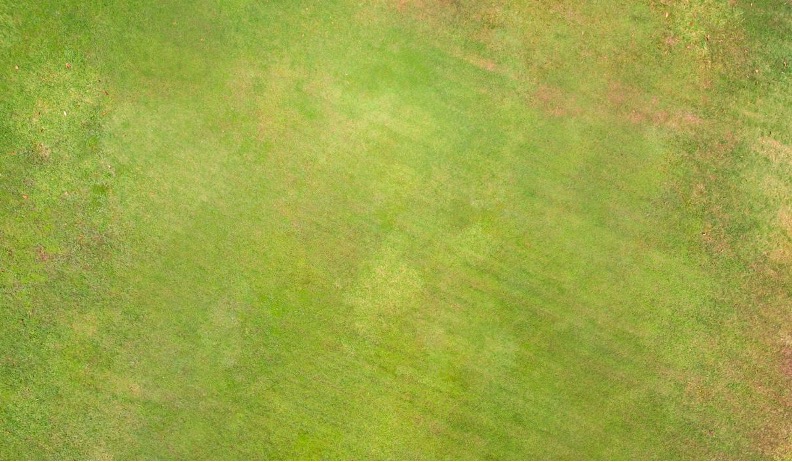
Patchy color (some areas brighter green than others) usually indicates one of several conditions:
Different sun exposure across the property. South-facing areas are typically brighter than north-facing.
Soil chemistry variations. Some areas may have nutrient deficiencies that produce paler color.
Damage from chinch bugs, disease, or other localized issues.
Compaction zones where root function is limited.
Pet damage producing the characteristic green ring around brown spots.
Reading the pattern indicates which problem is present.
What Persistent Paleness Tells You
Lawn that stays light green throughout the season despite proper fertilization typically has iron deficiency. North Dallas soils often have iron availability issues that produce chronic paleness on Bermuda.
The fix is chelated iron applications. EDDHA chelated iron stays plant-available even in alkaline soils. Iron sulfate is less expensive but less effective in alkaline conditions.
Iron application produces visible deeper green within a week. Multiple applications through the season maintain the color improvement.
What Yellow Color Tells You
Yellow color (not pale green, but actually yellow) indicates nitrogen deficiency. The grass cannot produce chlorophyll without adequate nitrogen, and tissue takes on yellow tones.
The fix is balanced fertilization. Light applications of nitrogen-based fertilizer correct yellow appearance within 2 to 3 weeks.
Yellow color combined with stunted growth and visible thinning may indicate fertility deficiencies beyond just nitrogen. Soil testing reveals what is actually limiting.
What Brown Spots Tell You
Brown spots in otherwise green lawn indicate damage:
Circular patches with bright green rings: pet urine damage.
Irregular thinning patches: chinch bug damage in the affected zones.
Circular patches with smoky gray edges: brown patch disease.
Strips along driveways or walks: salt damage.
Snaking trails: vole damage (less common in our area).
Identifying the damage type drives the right recovery approach.
Reading Color Year Over Year
Documenting color year over year reveals patterns. Properties on consistent improvement programs typically show progressively darker green color year over year as soil chemistry corrects and root systems strengthen. Properties on decline show progressively paler color year over year despite the same fertilization. Properties at steady state show similar color year over year, with seasonal variations explained by weather.
Photo documentation at the same time each year makes these trends visible. Properties on consistent improvement programs typically show progressively deeper color in same-month photos year over year. Properties showing flat or declining color trends despite consistent fertilization usually have underlying issues: compaction, pH problems, root system issues, or wrong grass type. Documentation reveals when reactive treatment is not producing the long-term result. Photos taken in similar weather conditions at similar times produce the most comparable records.
Working With Color During Spring Transition
Several color-related practices help during spring transition:
Wait for clear color cues before fertilizing. Premature fertilization on tan-brown or early olive-brown lawn wastes product.
Time iron applications for light green stage. Maximum color response from minimum product.
Use color to time mowing. First mow when canopy is light green and showing active growth.
Use color to identify damage areas needing attention. Brown spots, persistent paleness, or patchy patterns reveal where problems exist.
Common Color-Related Mistakes
Heavy fertilization on dormant or barely-active lawn. Wastes product and can damage cool-soil-stressed grass.
Mistaking olive-brown for dead lawn. The grass is alive and waking up.
Ignoring patchy color. The pattern reveals problems worth addressing.
Treating iron deficiency with more nitrogen. Different problem, different fix.
Pushing toward dark green color year-round. Bright emerald in summer is healthy. Forcing deeper color through winter is unnecessary and potentially harmful.
Color and Lawn Health
Healthy Bermuda in our climate maintains bright emerald color through the active season. Color shifts toward paler tones during stress (drought, heat, disease, fertility deficiencies).
Reading color is one of the most accessible diagnostic skills for homeowners. Walking the lawn and noting color variations produces information that drives better decisions than any other visual cue.
Properties on management programs that respond to color produce consistently better-looking lawns than properties on rigid calendar-based programs that ignore what the lawn is actually showing.
Color as Early Warning System
Subtle color changes often precede visible damage. Light paleness developing before patches of damage shows up gives you time to investigate and address the cause. Bright green rings appearing before clear pet damage spots reveal where to investigate.
Walking the lawn regularly with attention to color produces information that catches problems earlier than reactive responses to obvious damage.
What to Do Next
If you would rather have someone else handle the timing decisions, product selection, and application for your North Dallas and Prosper lawn, we are here for that.
Visit lawnsquad.com to find Lawn Squad of North Dallas-Prosper and request a free quote. Our VitaminLawn program is built specifically for the grass types, soils, and weather patterns in our service area. Most homeowners see noticeable improvement within the first two applications.