Are you thinking about contracting with a local lawn care service this year?
Or do you have questions about the best practices professionals recommend to ensure a healthier lawn?
If you answered yes to one or both of these questions, Lawn Squad of Southeastern Massachusetts is here to provide answers and increase your knowledge of what your lawn needs. This question and answer (Q&A) article will help address many of the most common questions we receive.
If you don’t see the topic you are interested in here, our blog is also filled with informative posts that will help inspire and educate you, whether you are a concerned homeowner or an existing customer.

Q: Why Should I Hire A Professional Lawn Care Service?
If you are a do-it-yourselfer (DIYer) you may become frustrated when it comes to caring for your lawn. To get the best results from lawn care efforts it takes the knowledge of knowing what your specific lawn’s needs and nutritional requirements, and making sure treatments and amendments are done at the right time/season. Hiring a pro offers many benefits. These include saving time, money, and effort while ensuring a healthier, more vibrant lawn with increased curb appeal. Professional lawn care companies, such as Lawn Squad, have the expertise to diagnose and address lawn issues, preventing costly mistakes and long-term damage of your turf. Additionally, we have access to specialized equipment and superior grade products along with an in-depth knowledge of local climate and soil conditions.
For homeowners that do not have the time, or knowledge of what their Southeastern Massachusetts lawn needs at the appropriate times, hiring a local lawn care service is well worth the investment.
Read more @ Why Should I Hire A Local Lawn Care Service?
Q: What Lawn Care Services Does Lawn Squad Of Southeastern Massachusetts Offer?
Lawn Squad offers a full suite of services with each being customized to fit your specific lawn’s needs and concerns. Our services include fertilization and weed/crabgrass controls, core aeration and overseeding, lawn disease and fungus control, grub control services, lawn surface insect control and much, much more!
Learn more @ https://lawnsquad.com/services/
Q: When is the best time to core aerate and/or overseed my lawn?
Here in Massachusetts and throughout New England, the best time to core aerate your lawn depends on the reason you are considering aeration. For instance, if you plan to overseed (plant grass), in conjunction with aerating, then we recommend doing so in the fall (from late August to mid-October). This is generally the best time due to the soil temperature, which is still warm but daytime temperatures are cool. This timeframe promotes successful grass seed germination and growth before Winter to build a strong root system. You can also read our feature blog When Is The Best Time To Overseed In Massachusetts to learn more about seeding.
If you do not intend to overseed your lawn, and you are aerating to reduce compacted soil, thatch reduction, or other benefits, then aeration can be done during the spring season. Core aeration will aid in creating a healthier lawn with better resistance to drought and disease. This is especially important with less established or sparse lawns as we move into the heat of the summer.
Read more @ When Is The Best Time To Core Aerate My Southeastern Massachusetts Lawn?
Q: How do I know if my lawn has a fungus?
Local lawns can be infected with various types of fungus. To determine if your lawn has a fungus, and which type of fungus, it is important to consult a professional. However, lawn fungus will have visible signs. In Southeastern Massachusetts, common fungus includes Brown Patch, Dollar Spot, and Red Thread among others.
- Brown Patch is a fungal disease that appears as circular patches of brown grass, especially during hot and humid conditions throughout the summer.
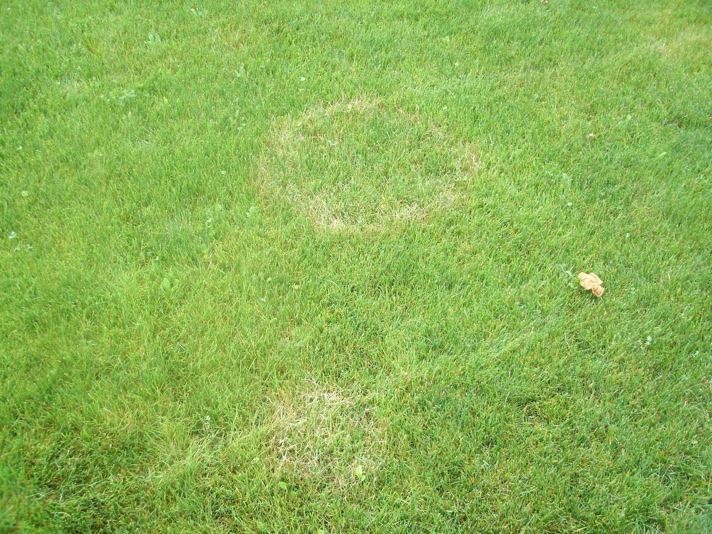
- Red Thread is a fungus that causes red or pink stringy growths on the grass blades. This fungus typically appears when conditions are favorable in the spring and summer. For example, here in Southeastern Mass, we have had a very cool and rainy spring the last two years. Conditions have been perfect for this fungus. If you are noticing signs of Red Thread, contact a professional such as Lawn Squad today to diagnose and treat.

- Dollar spot is characterized by tan or yellowish-brown patches of grass and is more commonly seen in the spring.

- Other lawn fungal diseases include Pythium Blight, Fusarium Blight, Powdery Mildew and Snow Mold.
Q: How can I prevent fungus in my lawn?
To prevent fungus, it is important to focus on creating a healthy, resilient lawn through best practices for your Southeastern MA lawn. These include proper watering, mowing, fertilization, care and maintenance. Avoid overwatering, mow at the correct height for your grass type, and ensure good drainage and aeration. Additionally, using a professional service such as Lawn Squad can ensure your lawn gets the proper nutrients for your specific lawn and at the right time of year to help prevent fungus in your lawn.
Learn more about identifying & treating fungus @ How Can I Prevent Fungus In My Lawn?
Q: What height should I mow my grass for optimal health?
The height you should mow your grass can vary depending on the season, and temperature/soil conditions. For example, you don’t want to mow your lawn short during times of extreme heat or drought.
For healthy grass, mow cool-season types of grass which are prevalent here in New England (like fescue) to 2.5-4 inches, keeping it taller (3-4 inches) in summer for heat protection. Remember to always follow the one-third rule (1/3), cutting no more than one-third of the grass blade’s height at once to prevent stress, and consider mowing higher for better weed control and drought tolerance.
Q: How often should I mow my Southeastern MA lawn?
Here in Southeastern MA, best practices are generally to weekly in the spring/fall (April-June, Sept-Oct) when grass grows fast but slowing down to every 7-10 days or even bi-weekly during the hot, dry summer months (July-Aug). This will help avoid stressing cool-season grass. Remember to always follow the one-third rule mentioned above. (Never removing more than 1/3 of the grass blade).
Q: What if my lawn was recently overseeded, when should I mow it?
Newly germinated grass will be tender, and you should use caution and discretion before mowing. In general, you may mow your recently seeded lawn when the new grass reaches 3-4 inches tall. This is typically after 2-4 weeks but can be longer. Make sure to always check for root strength by gently tugging before mowing. If the new grass pulls up easily, wait longer before mowing.
When you do mow your newly seeded lawn always make sure your mower blades are sharp, not dull, as to not “rip” the new germination and damage it. Set your mower height high (around 3 inches), and only mow when the grass and soil are dry to avoid damaging the tender new growth and tearing out roots.
Q: What are best practices for watering my lawn?
Best practices on watering your lawn are to water deeply but infrequently, this is usually 1-3 times/week. The goal is to hydrate the turf 1-1.5 inches total weekly, ideally in the early morning (4-8 AM) to encourage deeper roots, prevent disease, and conserve water.
Q: How soon should I see a difference in my lawn once I have hired a lawn care service?
When hiring a lawn care service, it is important to manage expectations of progress. Each lawn is different. How soon you see improvements in your lawn once you have started on a lawn care service is dependent on many factors. These include your lawn’s initial health, the time of year, your ongoing maintenance habits as a homeowner, and how established your lawn is when beginning services.
Generally, you will likely begin to see some initial improvements following your first lawn care treatment. This can include seeing weeds begin to wither and perish, and a greener turf; however, more significant results will take time. Since every lawn is different, the period where changes for the better are visible can also vary. A good example is a lawn that is riddled with weeds. Once the weeds begin to die, the underlying lawn area may need further treatment or significant amendments to really put on a show. Dramatic improvements typically require a full season, or full year, of consistent lawn care treatments to build a healthy root system that can outcompete weeds.
Read more @ What A Difference A Season Can Make – Managing Expectations Of Lawn Improvements