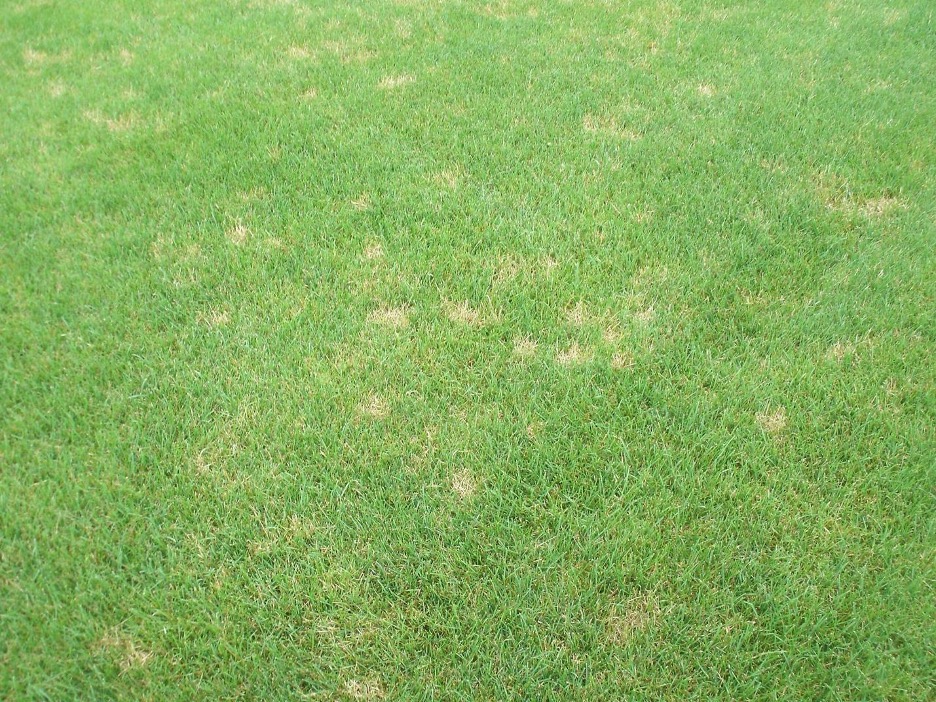
Picture this: after a torrential downpour, the sun breaks through the clouds, casting a warm glow over your Central Indiana lawn. The vibrant green blades shimmer with droplets of water, creating an almost magical scene — until your eyes land on those stubborn brown patches nestled among the lushness.
The feeling of pride in your yard quickly gives way to frustration as you wonder, “Is that lawn fungus?” You’re not alone in this battle. The humid summers in Indiana can be a breeding ground for lawn issues, especially fungus. In this post, you’ll learn how to identify early signs of lawn fungus, the common challenges we face, and how to take action to protect your beloved green space.
Why Central Indiana Lawns Fight to Thrive — And Why You’re Not Alone
Ah, the heart of Indiana — a land of fertile soil and beautiful landscapes. But as any homeowner can tell you, this beauty comes with its own set of challenges.
The soil here, while rich, is often compacted, making it difficult for grass roots to breathe and absorb nutrients. Throw in the heavy summer storms that either flood or dry out our lawns, and it’s a recipe for fungal growth.
Local homeowner Sarah from Fishers shared her frustration: “I thought I was doing everything right, but my lawn looked terrible after the rains. It felt like a losing battle.” Many of us have been there, trying DIY fixes that just don’t cut it.
Whether it’s applying quick-fix treatments or relying solely on your neighbor’s advice, these shortcuts often fail because they don’t address the underlying issues. It’s crucial to understand that nurturing a lawn in our unique climate takes knowledge, patience, and sometimes a bit of professional help.
How to Spot Early Lawn Fungus in Central Indiana (Without the Guesswork)
Identifying early lawn fungus can save you time, money, and heartache. Here’s a step-by-step guide to help you recognize the signs before they become a bigger problem:
- Weekly Inspections: Take a stroll through your lawn every week, especially following heavy rain. Look closely at the grass and soil.
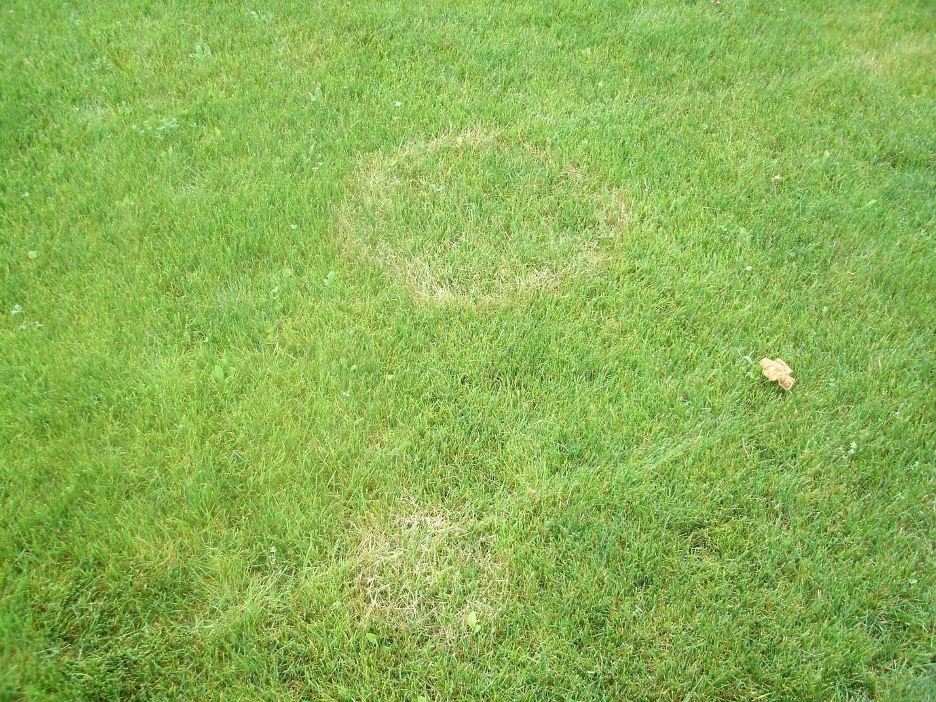
- Check for Color Changes: Yellow or brown patches are often the first indicators of trouble. These discolored areas can appear suddenly and may spread quickly if not addressed.
- Look for Slimy or Wilted Grass: If you notice sections of grass that look slimy or wilted, it could be a sign of fungal infection. This is often accompanied by a foul odor.
- Identify Powdery or Thread-like Growth: A white, powdery substance or thread-like strands on the grass blades are red flags that should not be ignored. These are classic signs of fungus thriving in humid conditions.
- Examine Soil Moisture: Fungi love moisture, so keep an eye on the humid days. If your lawn is consistently damp, it might be time to take preventive measures.
By learning these signs and being proactive, you’ll be better equipped to tackle any lawn fungus issues before they spiral out of control.
A Local Lawn Success Story
Meet Tom and Lisa, a young couple living in Greenwood. With two kids and a busy lifestyle, they had high hopes for their backyard — a space for summer BBQs, neighborhood baseball games, and lazy evenings under the stars.
But after a few weeks of relentless rain, they noticed their once-lush lawn was now dotted with brown patches and a strange, powdery substance.
Feeling defeated, they questioned whether it was even worth the effort. But after reaching out to Lawn Squad® and receiving a consultation, they learned how to identify and treat the fungus.
With a tailored plan in hand, they began to see results. The brown patches faded, replaced by healthy green grass, and their lawn became the talk of the neighborhood.
Tom fondly recalls, “It felt like a weight was lifted off our shoulders. We finally had a lawn we could be proud of.” Their victory wasn’t just about aesthetics; it was about reclaiming their outdoor space for family memories.
Your Central Indiana Seasonal Roadmap
To keep your lawn healthy and fungus-free, it’s essential to follow a seasonal roadmap tailored to our local conditions:
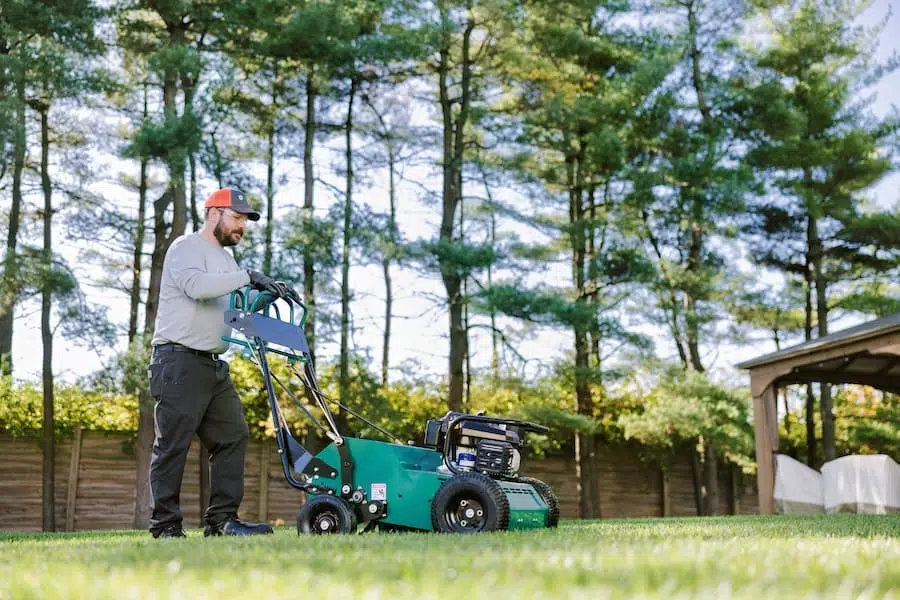
- Spring: Start the season by aerating your compacted soil and fertilizing early. This allows your grass to absorb nutrients and reduce the risk of fungi taking hold.
- Summer: Water deeply but wisely. Instead of frequent shallow watering, aim for less frequent but thorough watering to help your grass develop deep roots that can withstand the heat and humidity.
- Fall: As the season changes, it’s time to overseed your lawn. This thickening process helps your grass prepare for winter dormancy and reduces the chances of disease.
- Winter: Prepare your lawn for freezing cycles by ensuring it’s free of debris and protecting the roots from harsh conditions.
The VitaminLawn® Program from Lawn Squad® is designed to guide you through these steps, providing professional assistance at every stage.
Take Control — Make Your Lawn Work for You
Your lawn is more than just grass; it’s a canvas for memories, a source of pride, and a reflection of your home.
Don’t let the threat of lawn fungus dampen your spirits. With awareness and the right approach, you can reclaim your outdoor space and enjoy the beauty it offers.
So, take a deep breath, step outside, and start inspecting. You’ve got this! If you feel overwhelmed or need extra help, don’t hesitate to reach out to Lawn Squad® at 765-343-4785. Together, we can ensure your lawn thrives all summer long.