Grub Damage in Central and Eastern Massachusetts Lawns: Treat Now or Seed It in Fall?
Short Answer: First, count. Peel back a damaged edge and check a square foot of soil. Fewer than about five grubs and the thin spot is probably drought, disease, or wear, so put your money into fall seed instead. Ten or more and the population is still feeding, so a curative treatment now is worth it to protect the seed you are about to put down. The good news for a Massachusetts lawn is that grub damage surfaces in late summer, exactly when our cool-season grass wants to be seeded, so treating and then overseeding in the same fall is common and the two work together.
It usually announces itself with a mess. Something dug up the yard overnight, and in the morning there are shredded divots along the back fence or a torn strip beside the mailbox. You nudge the edge with your foot and the turf lifts and rolls back like a loose rug, and under it the soil is loose and pale and threaded with a few fat, white, C-shaped bodies curled up like commas.
The instinct is to buy a bag of something today. Slow down for ten minutes first, because the right move in August depends entirely on a number you can go count yourself, and because the timing happens to line up beautifully with the one season cool-season lawns most want to be worked on.
What Is Actually Feeding Down There
The grubs chewing roots across Central and Eastern Massachusetts right now are the larvae of beetles, most often European chafer, Japanese beetle, and masked chafer. European chafer in particular is a serious New England pest, and it feeds later and in colder soil than the others, which is part of why grub damage here can keep developing well into fall. Their calendar is predictable. Adults flew and laid eggs in early summer, favoring moist, sunny, irrigated turf, which is why a watered front lawn takes more damage than the dry back corner. The eggs hatched in midsummer, and the larvae have been grazing on grass roots ever since.
Right now they are large enough to do visible harm and still shallow, sitting in the top couple of inches of soil. That combination is exactly why late summer is the efficient time to act. As the ground cools they eventually move deeper to overwinter, out of reach of anything you can apply, so the window for a curative treatment is open now.
The Tug Test, and How to Read the Damage
Walk to the worst-looking area and pull a handful of grass. Healthy turf resists because its roots anchor it. Turf over an active grub population separates from the soil with almost no effort and often peels back in a sheet. That free test is the single most reliable thing you can do.
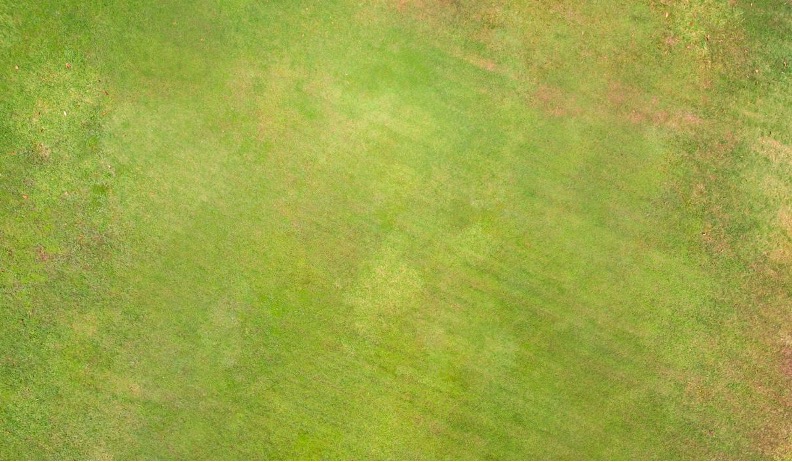
Now cut a one-foot-square flap with a spade, roll it back, and count. This is where people talk themselves into a treatment they do not need. Two or three grubs in that square is a normal population a healthy lawn shrugs off. Eight, twelve, fifteen is a lawn being actively eaten. Also read the pattern. Grub damage shows up as irregular, expanding patches with soft, rolled edges, usually in the sunniest sections. Drought and heat stress follows a different map, hitting first over buried irrigation lines, along south-facing curbs, and on the high crown of the yard, and that turf stays firmly rooted when you tug it. Skunk, raccoon, and crow digging is corroborating evidence that grubs are dense enough to be worth the effort, but count before you conclude, because animals will also work a healthy lawn for earthworms after a rain.
What a Curative Treatment Does, and What It Does Not
Curative grub products are fast-acting and target the larger larvae that are already feeding, which is different from the preventive materials applied in early summer to kill eggs and newly hatched grubs. A curative needs to be watered in so it moves through the thatch into the root zone, and applying one to bone-dry ground and walking away is how people decide grub control does not work.
Be clear about what it buys. A curative stops the feeding. It does not regrow roots that are already gone and it does not regrow turf. The bare areas stay bare until something fills them. So think of a curative treatment as protecting the living turf you still have, and protecting any seed you are about to invest in, rather than as a repair by itself.
Why Fall Is the Perfect Time to Repair a Cool-Season Lawn
Here is where a Massachusetts grub problem has a genuine silver lining. Our lawns are cool-season grasses, Kentucky bluegrass, tall fescue, and perennial ryegrass, and they are repaired by seeding. The prime seeding window in Central and Eastern Massachusetts runs from roughly late August into September, when the soil is still warm enough for fast germination but the nights have cooled off. That is the exact same stretch when grub damage becomes obvious. The problem and its best solution arrive at the same time.
That lines the fall up neatly. If your count is high, treat first to stop the feeding, then aerate and overseed a week or two later so grubs are not chewing the tender roots of brand new seedlings. Bare spots get filled with seed, thin areas get thickened, and the whole lawn heads into winter denser than it went into the summer. A grub problem caught in late summer is repaired at the single best time of the entire year, which is not something you can say about most lawn problems.
The Honest Cost Math
Here is how we walk it. If the count is low and the damage is small, skip the curative. Keep the lawn watered, put your money into aeration and overseeding this fall, and plan a preventive grub application for next early summer when it is cheapest and most effective. Nobody needs to buy a treatment to solve a problem that a good fall seeding fixes anyway.
If the count is high, treat, and treat before you seed. Grubs will happily eat brand new seedling roots, and seedling roots are far more fragile than established ones, so putting several hundred dollars of seed and labor onto a lawn with an active population is the one scenario where skipping treatment reliably costs more than paying for it. And if the count is high and the turf is already more than half gone across a large area, you are no longer overseeding, you are renovating, and that is worth planning properly rather than scattering seed and hoping.
The scenario that costs the most is the one where nothing gets counted. A neighbor says grubs, a bag goes down dry in the wrong week, the lawn does not improve, and next August the same conversation repeats with more bare ground. Ten minutes with a spade replaces all of that guesswork, and it costs nothing but a torn square of turf you were going to reseed anyway.
What to Do Next
Do the tug test today, cut one square, and count. Then call us at PHONE_PLACEHOLDER or request a free quote at lawnsquad.com and tell us the number you found. We serve SERVICE_AREA_PLACEHOLDER and the surrounding Central and Eastern Massachusetts communities.
On a first visit we check several spots rather than one, because grub populations are patchy, and we look at thatch, compaction, and irrigation coverage at the same time so we are solving the right problem. Expect feeding to stop within days of a curative application. Expect the bare areas to still look bare at thirty days unless they were seeded, then a green haze as new grass comes up where you overseeded. By ninety days a lawn that was treated and then aerated and overseeded should be knitting together and heading into winter with real root depth.
Longer term, this is exactly what our VitaminLawn program is built to prevent. Fertilization, weed control, and grub protection timed to New England conditions means the preventive material goes down in the window when it costs the least and works the best, rather than reacting in August. We are independently owned and operated, every quote is free, our work is backed by a satisfaction guarantee, and if your count comes back low, we will tell you to keep your money and just seed.