Fall Fertilization Over the Edwards Aquifer: Feeding North San Antonio Lawns Responsibly

Fall Fertilization Over the Edwards Aquifer: Feeding North San Antonio Lawns Responsibly
Short Answer: Much of North San Antonio sits on thin, rocky soil over limestone, much of it on or near the Edwards Aquifer recharge zone, where water and anything dissolved in it can move quickly toward the region’s drinking water supply. That makes careful fall fertilization important. For Bermuda, St. Augustine, and zoysia lawns, the main nitrogen feedings should wrap up several weeks before the first expected frost, any November feeding should be light and slow-release, and fertilizer should never be left on pavement or applied before heavy rain. Iron helps lawns hold color on alkaline soil.
If you live in North San Antonio, in neighborhoods like Stone Oak, Shavano Park, Timberwood Park, Helotes, or the communities along Loop 1604 and Highway 281, you already know the ground is different here. Dig a few inches and you hit caliche or solid limestone. Your lawn grows on a thin layer of soil that dries out fast in summer and seems to have a mind of its own.
That soil, and what lies beneath it, matters a lot for how you fertilize. Most homeowners we talk to want a good-looking lawn heading into the holidays and also want to do right by the aquifer. The two goals fit together better than most people expect.
The Edwards Aquifer and Your Lawn
The Edwards Aquifer is the primary source of drinking water for San Antonio and much of the surrounding region. Its recharge zone, where water soaks into the aquifer through cracks, sinkholes, and porous limestone, runs across much of North San Antonio and the Hill Country edge.
In the recharge zone, water does not always filter slowly through deep soil. It can move quickly through fractured rock. That means fertilizer that washes off a lawn or moves past the roots can reach groundwater faster than in many other places.
Thin Soil Over Limestone
Many North San Antonio lawns grow on just a few inches of soil over limestone or caliche, especially on newer lots where the original soil was scraped during construction. Thin soil holds less water and fewer nutrients, and grass roots have little room to grow.
On those lawns, the way fertilizer is applied matters even more. Heavy rates have nowhere to go but off the surface or down through the rock.
How Warm-Season Lawns Behave in Fall
Most lawns here are Bermuda, St. Augustine, or zoysia, all warm-season grasses. Some properties have buffalograss or native mixes. Warm-season grasses grow hard through the heat of summer, slow down as temperatures cool in fall, and go dormant after the first hard frost, which usually arrives in late November or December in North San Antonio, sometimes earlier in low, open areas and Hill Country valleys.
In November, these lawns are winding down, not gearing up.
Timing the Last Feeding
Texas A&M AgriLife guidance generally recommends finishing the main fertilizer applications for warm-season grasses several weeks before the first expected frost. Here is what we have found works best. Make the last meaningful nitrogen feeding of the year by roughly mid October. If anything goes down in November, keep it light.
Heavy late-season nitrogen on St. Augustine and zoysia encourages large patch disease, and on Bermuda, it pushes growth the grass cannot use as it heads into dormancy.
What a Fall Feeding Should Contain
If your lawn gets a fall feeding, choose a lower nitrogen rate with a high share of slow-release nitrogen. Slow-release nitrogen feeds gradually and is less likely to move off the lawn or down through thin soil. Potassium supports stress tolerance, but many Texas soils already have plenty, so a soil test is the best guide. Phosphorus is rarely needed on established lawns unless a soil test shows a shortage.
Iron on Alkaline Soil
North San Antonio’s limestone-based soils are strongly alkaline. High pH ties up iron, which causes St. Augustine and other grasses to yellow between the veins of the blades, even when they have enough nitrogen. Iron applications can restore color without pushing extra growth, which makes iron a great fall tool for keeping lawns green through the holidays.
Never Fertilize Before Heavy Rain
Central Texas is known for sudden, heavy rains, even in fall. Fertilizer applied right before a downpour on thin, rocky soil can wash off the lawn into the street, storm drains, and creeks that feed the aquifer. Check the forecast, and apply only when light rain or no rain is expected.
Keep It Off the Pavement
Granules that land on driveways, sidewalks, and streets wash straight into storm drains. Sweep or blow any stray granules back onto the lawn before you finish. Using a spreader with an edge guard along hard surfaces helps.
Watering After Feeding
A light watering after application helps move fertilizer into the soil. Avoid heavy watering, which can carry nutrients through thin soil. Follow SAWS or your water provider’s current watering rules, which often limit landscape irrigation to specific days and times.
Mowing Heights
St. Augustine does best at around three to four inches. Bermuda is mowed lower, often around one to two inches depending on variety. Zoysia is usually between one and two and a half inches. Keep those heights through fall, and avoid scalping before dormancy.
Buffalograss and Native Lawns
Some North San Antonio homeowners have buffalograss or native grass mixes, which are adapted to thin soil and low water. These lawns need very little fertilizer, and many do best with none at all in fall. Feeding them like St. Augustine often invites weeds rather than helping the grass.
Fall Is Weed Control Season
For many North San Antonio lawns, the most valuable fall step is weed control, not fertilizer. Winter weeds like rescuegrass, henbit, bur clover, and annual bluegrass germinate in fall and take over dormant lawns by late winter.
Building Better Soil
On thin soil, organic matter makes a big difference. Topdressing with a thin layer of compost, ideally during the growing season, gradually improves how the soil holds water and nutrients. Mulching leaves and grass clippings back into the lawn adds organic matter too.
Choose the Right Grass for the Site
In the thinnest, sunniest, rockiest spots, Bermuda, zoysia, or buffalograss often hold up better than St. Augustine, which needs more water and deeper soil. In shaded areas, St. Augustine remains the better choice. Matching the grass to the site makes every feeding more effective.
Spread It Evenly
Set the spreader at half the label rate and make two passes at right angles. Uneven application shows up as stripes, and heavy strips of nitrogen are where disease often starts.
Common Fall Mistakes
A few patterns come up every year. Applying a heavy winterizer in November because the bag says winterizer. Fertilizing right before one of those sudden Central Texas downpours. Leaving summer irrigation running into fall. And scalping Bermuda before dormancy.
A Soil Test Is Worth It
Texas A&M AgriLife’s soil testing lab can show pH and nutrient levels. On alkaline, rocky soils, testing helps you avoid buying nutrients your lawn does not need.
What a Responsible Fall Looks Like
Imagine your lawn next spring. It greened up evenly as the weather warmed, without the yellow cast it used to have, because it got iron instead of heavy nitrogen last fall. It went into dormancy healthy, weed control kept the rescuegrass out, and none of what you applied ended up in the creek behind the neighborhood.
What to Do Next
For a warm-season lawn this month, keep any feeding light and slow-release, use iron for color on alkaline soil, and plan to finish the main nitrogen feedings by mid October in future years. Never apply before heavy rain, sweep granules off pavement, follow your watering rules, and focus fall effort on weed control.
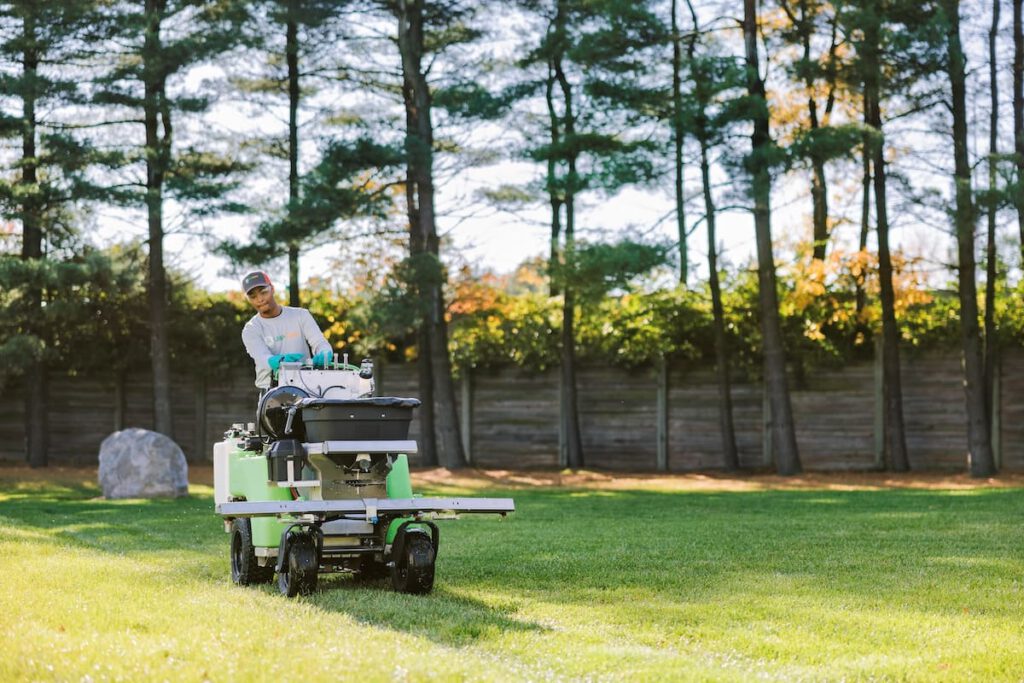
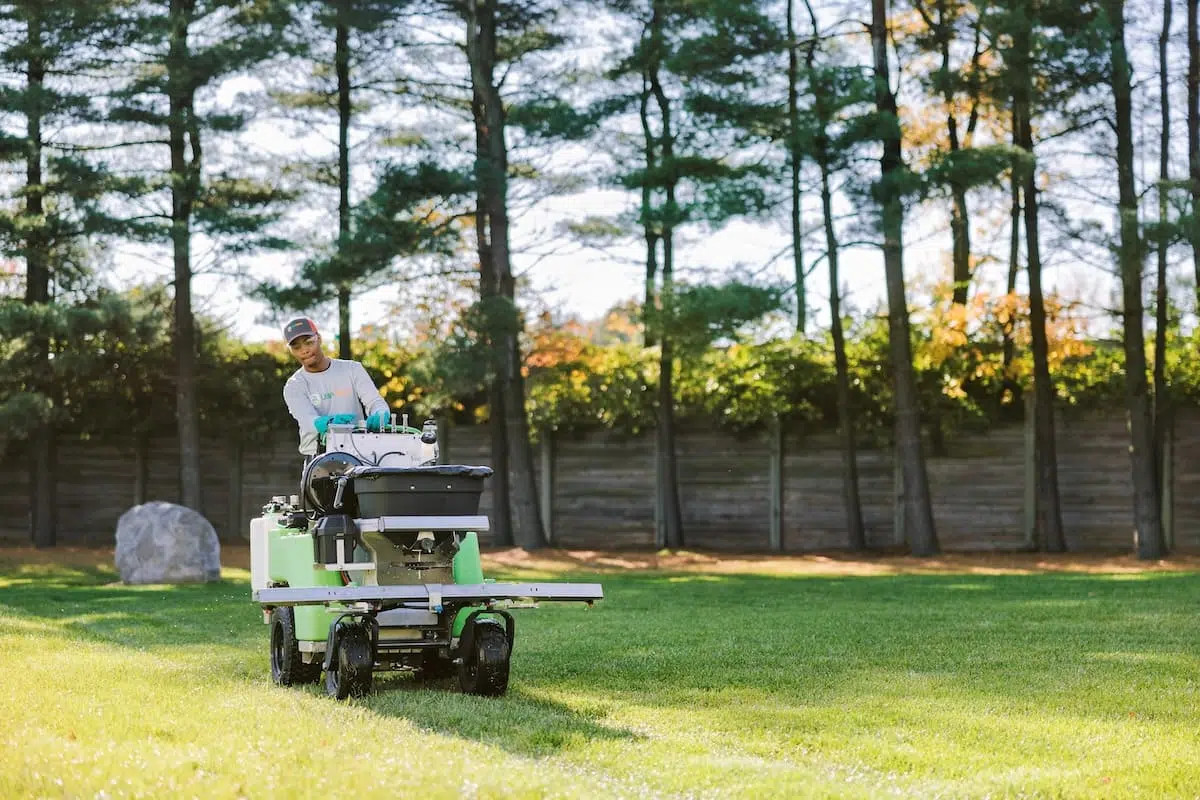
If you would rather have someone else handle the timing decisions, product selection, and application for your North San Antonio lawn, we are here for that. Lawn Squad of North San Antonio serves homeowners across North San Antonio. Visit lawnsquad.com to request a free quote. Our VitaminLawn program is built for the grass types, soils, and weather patterns we deal with here.
Here is what to expect. We will look at your grass, talk through how your lawn handled this year, and explain what we would apply before winter and why. If your lawn does not need a late-season application, we will tell you that honestly.