Can Fall Renovation Fix the Thin, Shaded Turf Under My North Shore Trees?
Short Answer: Fall renovation can absolutely thicken thin turf under North Shore trees, but only within limits the trees themselves set. Aeration, overseeding with shade-adapted fine fescues, and correcting soil can meaningfully improve a lawn that gets at least a few hours of filtered or direct light. What renovation cannot do is beat deep shade or win a water and nutrient fight against a mature root system. Under a dense canopy with less than about four hours of light, no seed holds, and the honest answer is to raise the canopy, accept a groundcover or mulch bed, or reset expectations rather than reseed the same failure every fall.
The North Shore is defined by its trees, and they are a genuine asset. Streets in Highland Park and Winnetka are shaded by oaks and maples that are older than the houses under them, and nobody moves to these neighborhoods hoping for a treeless yard. But those same trees are usually the reason the lawn beneath them is thin, pale, and mossy no matter how much seed goes down, and every fall homeowners try to fix with grass a problem the grass was never going to win.
Understanding what a fall renovation can and cannot do under a canopy saves you from spending the same money on the same disappointing result year after year. Some of these lawns can be genuinely improved. Some of them are asking grass to do something grass cannot.
Why Turf Struggles Under a Canopy in the First Place
There are two separate problems happening under a big tree, and people usually blame only the first. The obvious one is light. Grass is a sun plant, and photosynthesis is how it earns the energy to recover from mowing, foot traffic, and winter. Cut the light budget and the plant runs a deficit, grows thin and leggy reaching for what light there is, and gives up ground it cannot afford to defend.
The second problem is quieter and often the real killer: competition. A mature tree is an enormous, efficient pump, and its fine feeder roots occupy the same top several inches of soil the grass needs. The tree drinks first and feeds first, and on a dry North Shore August the turf under the canopy is not just shaded, it is being out-competed for every drop of water and every unit of nitrogen in that root zone. This is why grass often struggles worst right at the drip line even where some light gets through.
Not all trees are equally hard on a lawn, either. The Norway maples common on older North Shore lots are among the worst offenders, casting dense shade and running a mat of shallow, greedy surface roots, while a high-canopied oak that has been limbed up can let enough dappled light through to keep a fine fescue lawn alive. Knowing which tree you are dealing with is part of reading whether a spot is workable.
What Fall Renovation Genuinely Can Fix
Where a lawn gets a reasonable amount of light, roughly four or more hours of direct or good filtered sun, fall renovation has real tools and they work. Core aeration relieves the compaction that shade-stressed, thin turf suffers from, and it opens the soil so seed and water reach the root zone instead of running off. Overseeding with the right species reintroduces grass genetically built for lower light. And correcting the soil, adjusting pH and building organic matter, gives whatever grass you establish a fighting chance against the tree.
The species choice is where most homeowners go wrong before we even arrive. The Kentucky bluegrass that thrives on the sunny front lawn is one of the worst choices for shade, and reseeding shade with a sun blend is the most common self-inflicted failure we see. The fine fescues, creeping red, chewings, and hard fescue, tolerate low light far better and use less water, which matters enormously when a tree is drinking first. A shade renovation done with fine fescues on a lawn that gets a few hours of light can go from embarrassing to respectable in one fall.
One small change helps more than people expect: raise the mowing height in the shaded areas. Taller blades capture more of the limited light the spot does get, and a shade lawn cut high holds on far better than the same grass scalped to sunny-lawn height.
What Fall Renovation Cannot Fix
Now the honest part. Below roughly four hours of light, under a dense, low, unbroken canopy, there is no seed on the market that will hold. We can aerate it, seed it with the finest shade fescue made, and water it perfectly, and it will germinate, look hopeful for a few weeks, and then thin right back out because the light simply is not there to sustain it. Selling someone a renovation for that situation would be taking their money for a result we know will not last, and we will not do it.
Renovation also cannot out-muscle a dominant root system on its own. If the problem is primarily competition rather than light, seeding into the teeth of that root mass without addressing the competition just feeds the tree a little grass. And renovation cannot fix a lawn that is thin because tree roots have physically pushed to the surface, or because the soil under an old tree has been compacted by decades of the same. Those are not seed problems.
The Options That Actually Solve Deep Shade
When a spot is too shaded for grass, the productive move is to stop fighting it and choose a real solution. Often the best of these is arboricultural rather than agronomic: selectively raising the canopy by removing the lowest limbs, and thinning the interior so dappled light reaches the ground, can change a lawn’s prospects more than any bag of seed. That is skilled work best done by a certified arborist, and it can turn a hopeless four-hour spot into a workable five or six.
Where the shade is permanent and deep, the honest answers are a shade-tolerant groundcover, a mulched bed ringing the tree, which is also far healthier for the tree than turf competing at its trunk, or hardscape. None of these is a failure. They are what a mature, beautiful tree asks of the ground beneath it, and they look intentional in a way that a perpetually bald, mossy grass patch never will.
Moss, Bare Soil, and Reading the Signs
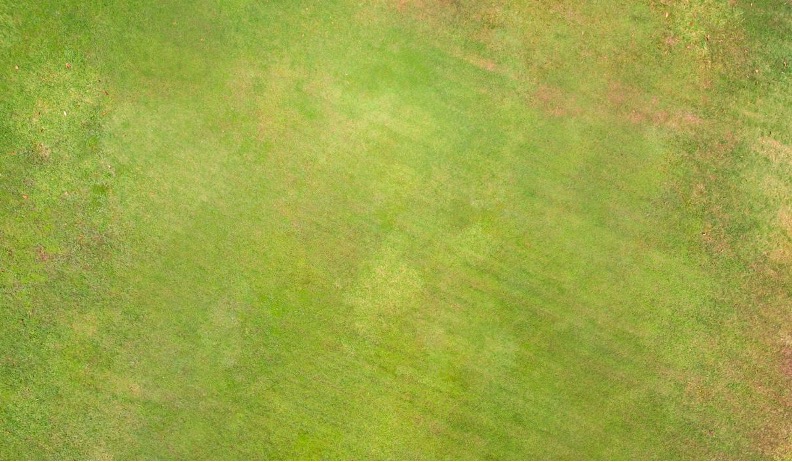
The lawn tells you which situation you are in if you read it. Moss establishing in the thin areas is a reliable signal of too little light combined with damp, compacted, often acidic soil, and it is telling you that grass is losing that spot on the merits. Bare, hard soil with surface tree roots is telling you competition and compaction are the story. Grass that is present but pale, leggy, and thin, reaching upward, is telling you it has just enough light to survive but not enough to thrive, and that is exactly the case fine fescue and aeration can rescue.
What to Do Next
Before you buy another bag of seed for the shady spot, get an honest read on how much light it actually gets and whether the real limit is light, competition, or soil. Walk it at mid-morning, noon, and mid-afternoon and count the hours of direct or genuinely filtered sun. Then call us at PHONE_PLACEHOLDER or request a free quote at lawnsquad.com. We serve Highland Park, SERVICE_AREA_PLACEHOLDER, and the surrounding North Shore communities.
A first visit is a walk of the property with you. We measure light zone by zone, check compaction and look for surface roots, test the soil where it makes sense, and tell you plainly which shaded areas can be renovated into a real lawn and which ones are asking grass to do the impossible. Where renovation is the right call, expect germination in one to two weeks and a visibly thicker, though still establishing, lawn at thirty days, with the real fill-in showing next spring. Where it is not the right call, we would rather point you toward canopy work or a groundcover than sell you a fall you will be repeating next year.
Longer term, our VitaminLawn program builds fertilization and weed control around your grass types, your soil, and the specific challenge of North Shore shade rather than a national schedule, and it treats a shaded lawn as the different animal it is. Every location is independently owned and operated, quotes are free, and the work is backed by a satisfaction guarantee.