Short Answer: For most Frederick area lawns, a turf-type tall fescue blend at 90 percent or higher with up to 10 percent Kentucky bluegrass is the strongest choice. Modern turf-type tall fescue varieties handle our hot humid summers better than Kentucky bluegrass alone, develop deeper roots that survive drought, and resist disease better than older fescue blends. The Maryland transition climate sits at the edge of cool-season grass viability, which means species and variety selection matters more than in cooler markets. Avoid pure Kentucky bluegrass, K-31 fescue, and contractor mixes with no listed varieties. Here is the practical guide.
If you are planning fall overseeding for your Frederick area lawn or considering a renovation project, choosing the right seed blend is one of the most important decisions you will make. Get it right and the lawn improves measurably for years. Get it wrong and you can plant a lot of seed that produces a weak lawn from day one.
Frederick County sits at the edge of the cool-season grass climate zone. Our summers are hot and humid enough to stress cool-season grasses, while our winters are cold enough that warm-season grasses go dormant for 5 to 6 months. This transition climate makes seed choice particularly important. Here is what to look for.
Why Tall Fescue Is the Backbone
Turf-type tall fescue is the realistic backbone of any Frederick area cool-season lawn. Reasons:
Heat tolerance better than other cool-season options. Bluegrass and ryegrass struggle worse in our July and August heat.
Deep root system that handles drought and Maryland clay soils better than alternatives.
Disease resistance to common Maryland turf diseases (brown patch especially) when newer varieties are used.
Wear tolerance for properties with kids, pets, or heavy foot traffic.
The catch: not all tall fescue is the same. The old K-31 fescue (also called Kentucky-31) is a different species behaviorally than modern turf-type tall fescue. K-31 is clumpy, coarse, and pale. Modern improved varieties are dense, fine-textured, and deep green. Look at the seed bag carefully and avoid K-31 unless you specifically need a low-maintenance pasture-style lawn.
What “Turf-Type Tall Fescue” Actually Means
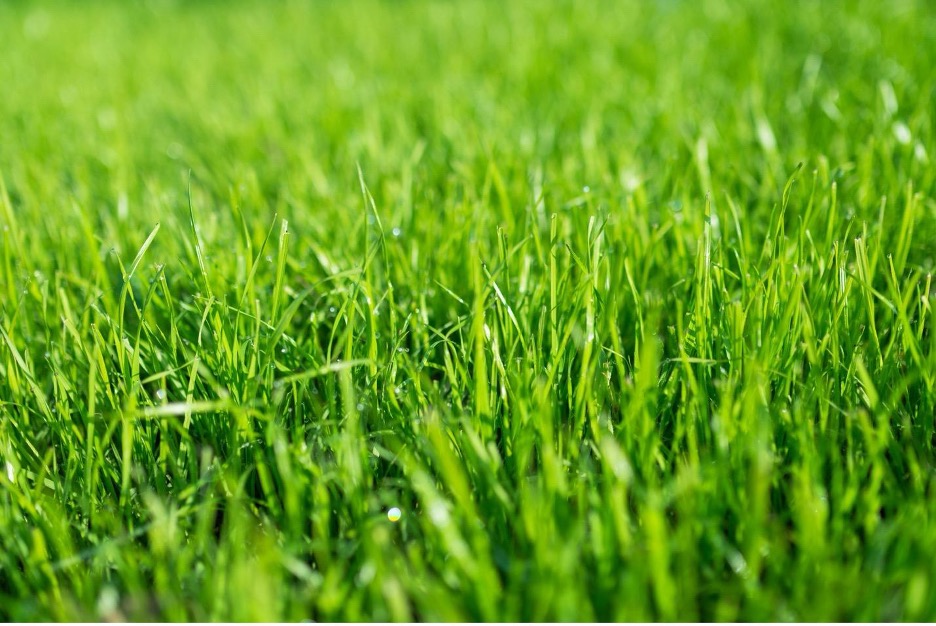
Turf-type tall fescue (sometimes abbreviated TTTF) refers to varieties bred specifically for residential and commercial turf use, with finer leaves, denser growth habit, and better appearance than pasture-type fescues.
The University of Maryland Extension publishes information on recommended turf-type tall fescue varieties for our climate. If a seed bag lists varieties that have performed well in University trials, you have a good product. If the bag lists only “tall fescue” without specific variety names, the quality is uncertain.
Quality blends typically include 3 to 5 different varieties of turf-type tall fescue, which provides genetic diversity for disease resistance and consistent performance across different conditions on your lawn.
The Role of Kentucky Bluegrass
Kentucky bluegrass alone struggles in Frederick summers, but adding 5 to 15 percent bluegrass to a tall fescue blend provides benefits:
Bluegrass spreads via rhizomes, which fills in bare spots and creates a denser overall lawn.
Bluegrass provides a slightly finer texture than pure tall fescue.
Modern improved bluegrass varieties offer better heat tolerance than older types.
The catch: bluegrass takes 3 to 4 weeks to germinate, twice as long as tall fescue. If you are overseeding and want quick coverage, the bluegrass component will lag. Plan for it.
What About Fine Fescues?
Fine fescues (chewings, creeping red, hard fescue) are a separate species that excel in shade and require less mowing than tall fescue. For heavily shaded yards in Frederick (especially older properties with mature tree canopy), a blend that includes 20 to 30 percent fine fescue can dramatically improve performance.
Fine fescues struggle in full sun and high traffic, so they are not the right choice for sunny yards. They also have a different texture and color, which can stand out visually if mixed into open-sun areas.
For shade-specific overseeding, look for a “shade mix” that includes turf-type tall fescue and fine fescues. Pure shade mixes that omit tall fescue often struggle in mostly-shaded but not deeply shaded yards.
What to Avoid
Annual ryegrass: dies after one season. It germinates fast and provides a quick green cover, but it is not a permanent grass for Maryland lawns.
K-31 fescue: clumpy and coarse. Avoid for residential turf.
Pure Kentucky bluegrass for sun-exposed lawns: too heat-sensitive for our summers.
Cheap “contractor mix” or “general purpose mix” with no variety names: usually low-quality fillers that produce weak lawns.
Seed bags with high “other crop” or “weed seed” percentages on the label. Quality seed has those numbers near zero.
Reading the Seed Bag Label
By federal law, every grass seed bag must include:
The variety name and percentage by weight of each species in the mix.
The germination rate (should be 85 percent or higher).
The percentage of weed seed (should be 0.05 percent or less).
The percentage of other crop seed (should be near zero).
The test date (more recent is better; seed loses germination over time).
Read the label before buying. The differences in price between bags often reflect real differences in quality.
Application Rates and Timing
Best timing for overseeding cool-season grass in Frederick is early September through early October. Soil is still warm enough for fast germination, but air temperatures are cooling into the recovery range for the new seedlings.
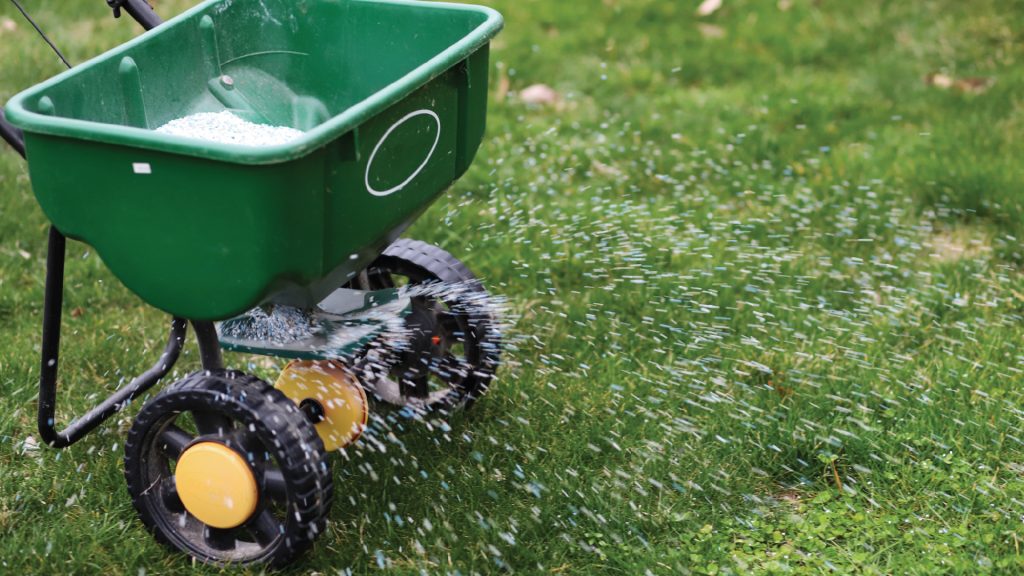
Application rates depend on whether you are overseeding (existing lawn with thin spots) or starting from scratch. Overseeding rates: 4 to 6 pounds of tall fescue blend per 1,000 square feet. Bare-soil seeding rates: 8 to 10 pounds per 1,000 square feet.
Aeration immediately before overseeding gives the best seed-to-soil contact and dramatically improves germination rates. The combination of aeration plus overseeding is the highest-value lawn renovation work available in our climate.
Establishment and Care
New seed needs different care than established lawn through the first 6 weeks:
Water lightly multiple times per day for the first 10 to 14 days to keep the surface moist for germination. Light watering means short cycles that wet the top inch of soil without producing runoff.
Transition to deeper, less frequent watering as seedlings develop. By 4 weeks, you should be on a normal lawn watering schedule.
Avoid mowing until new grass reaches 3 inches in height. The first mow should remove only the top inch.
Skip pre-emergent herbicide on overseeded areas through the next spring. Pre-emergent prevents new grass seed from germinating too.
Skip aggressive foot traffic for the first 6 weeks while the new grass establishes its root system.
What to Do Next
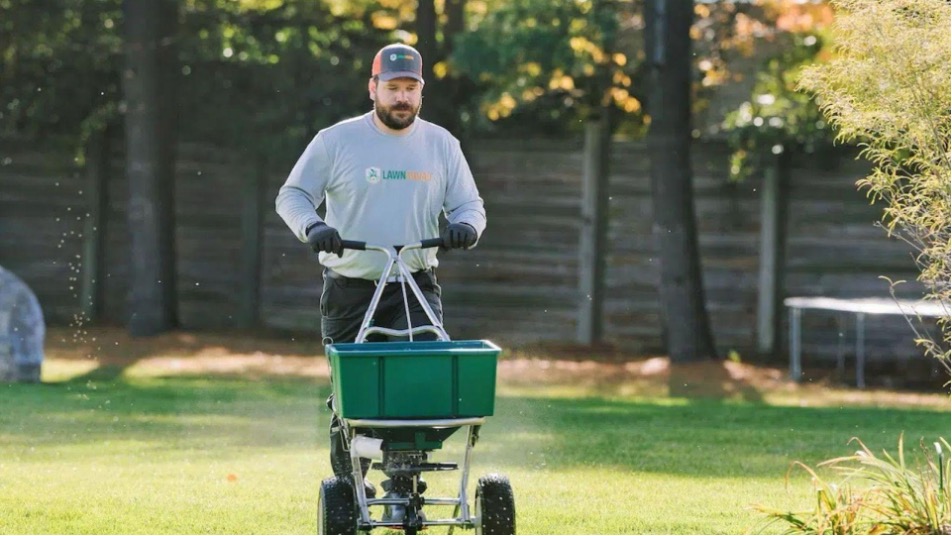
If you are planning fall overseeding for your Frederick area lawn and want help choosing the right seed blend and timing, we walk properties across our service area to assess sun exposure, soil conditions, and goals, then recommend a specific product. If you would rather have someone else handle the timing decisions, product selection, and application for your Frederick lawn, we are here for that.
Visit lawnsquad.com to find Lawn Squad of Frederick and request a free quote. Our VitaminLawn program is built specifically for the grass types, soils, and weather patterns in our service area. Most homeowners see noticeable improvement within the first two applications.