
Brown in December: How to Care for a Dormant Lowcountry Lawn Until Spring
Brown in December: How to Care for a Dormant Lowcountry Lawn Until Spring
Short Answer: A tan or brown lawn in December is normal in the Lowcountry. Centipede, St. Augustine, zoysia, and bermuda are warm-season grasses that slow down or go dormant after the first frosts and green up again in spring. A dormant lawn is resting, not dying. Through the winter it needs very little: keep leaves and pine needles off it, water only during long dry spells, stay off it when it is frosty, hold nitrogen fertilizer until it greens up in spring, and treat green winter weeds while they are small.
If you are reading this, you may have looked out at your lawn this week and wondered what went wrong. In October it was green. Now it is the color of straw, and the only green left in it seems to be weeds.
Nothing went wrong. That is what a healthy warm-season lawn does in a Lowcountry winter. We get this question every year from homeowners in Charleston, Mount Pleasant, Summerville, Hanahan, and Ladson, and the answer is almost always the same: your lawn is dormant, and the best thing you can do for it right now is mostly leave it alone. There are a few things that do matter, though, and getting them right sets up a better spring.
What Dormancy Is
Warm-season grasses grow when it is warm and rest when it is cool. As temperatures drop in late fall and the first frosts arrive, the leaf blades stop growing and turn tan. Below the surface, the grass is still alive. Its crowns, runners, and roots hold the energy it stored over the summer and fall, and it uses that energy to green up again in spring.
Think of it as hibernation. A dormant lawn is not using much water or many nutrients, and it is not able to repair damage the way it does in summer. That is why winter care looks so different from summer care.
How Each Grass Looks in Winter
Centipede, the most common lawn grass in many Lowcountry neighborhoods, turns a light tan. Bermuda and zoysia usually go fully tan or brown after a frost.
St. Augustine is less predictable here. In a mild Lowcountry winter, it may hold some green color for weeks, then lose it after a hard frost. All of these are normal.
Dormant Is Not Dead
If you want reassurance, pull back the tan blades in a few spots and look at the base of the plant. Firm runners and crowns mean the grass is alive and waiting for warmer weather.
It is also normal for a lawn to start greening up during a warm stretch in late winter and then get burned back by a late frost. Clemson Extension notes this happens with centipede, sometimes several times in one spring. It looks alarming, but the grass recovers.
Watering a Dormant Lawn
A dormant lawn uses very little water, and our winters usually bring enough rain on their own. If your irrigation system runs on a timer, now is the time to turn it down or off. A lawn that stays wet through the cool months is more likely to have disease problems, especially large patch, which often shows up in centipede, St. Augustine, and zoysia as temperatures cool and again as they warm in spring.
The exception is a long dry stretch. If several weeks pass without meaningful rain, a deep watering in the morning helps protect the roots. Grass that goes into a hard freeze with dry soil is more likely to be injured than grass with moist soil. Water when it is needed, not because the calendar says so.
Why Fertilizer Waits Until Spring
Feeding a brown lawn feels like it should help. It does not. Clemson Extension recommends making the first nitrogen application of the year only once the grass has greened up and is actively growing in spring.
Nitrogen applied to dormant grass is not used by the grass. Some of it feeds the winter weeds that are actively growing, and some of it is simply lost, especially in our sandy soils. Nitrogen that pushes new growth too early can also leave the lawn more exposed to late frosts. The work this winter is protecting what the grass already stored, not feeding it.
Leaves and Pine Needles
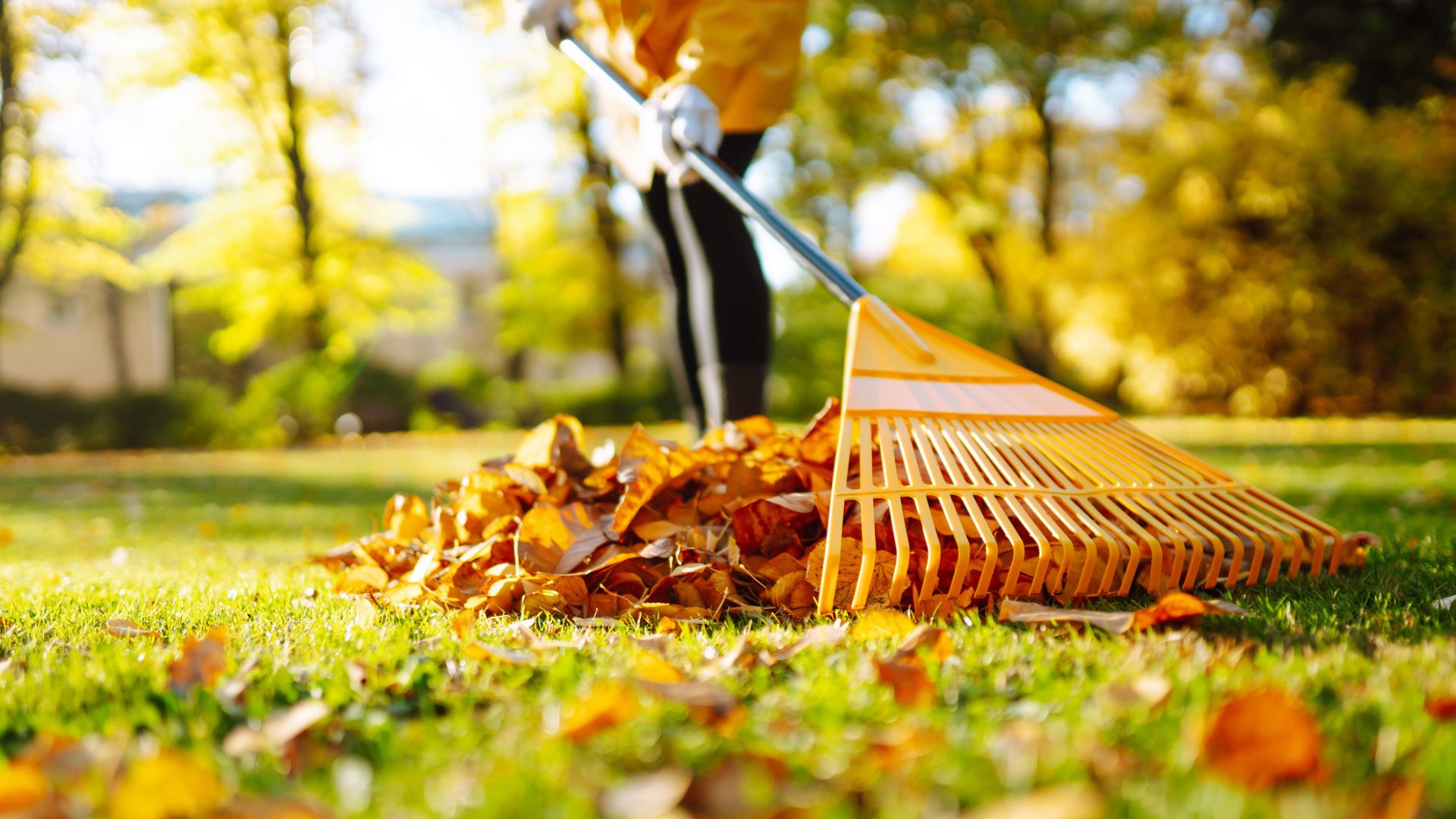
Many Lowcountry yards have pines, sweetgums, maples, and other trees that drop needles and leaves through late fall and winter. A heavy layer left on the lawn blocks light, holds moisture against the grass, and creates the damp, shaded conditions that disease and thin spots love.
Rake or blow leaves and needles off the lawn every week or two. A light scattering is fine. A mat is not. Keep in mind that live oaks drop most of their old leaves in spring, so if you have big oaks, plan for a second round of cleanup then.
Frost and Foot Traffic
On frosty mornings, stay off the lawn until the frost melts. Frozen grass blades break when you walk on them, and you may see your footprints as brown tracks for weeks.
Dormant grass also cannot repair wear the way growing grass can. If the dog, the kids, or the trash can route follows the same path every day, that path will be thin in spring. Change up the routes when you can, and use stepping stones in areas that get constant traffic.
Should You Overseed With Ryegrass?
Some homeowners want a green lawn all winter and consider overseeding with ryegrass. Clemson Extension cautions against it for most home lawns. Ryegrass competes with your established grass for water and nutrients and can delay the spring transition back to your warm-season grass. In a wet, cool spring, the ryegrass can hang on and weaken the lawn underneath.
Scalping the lawn to get ryegrass established also damages warm-season turf. For centipede and St. Augustine lawns especially, tan in winter is the healthier choice.
Green Weeds Stand Out in a Brown Lawn
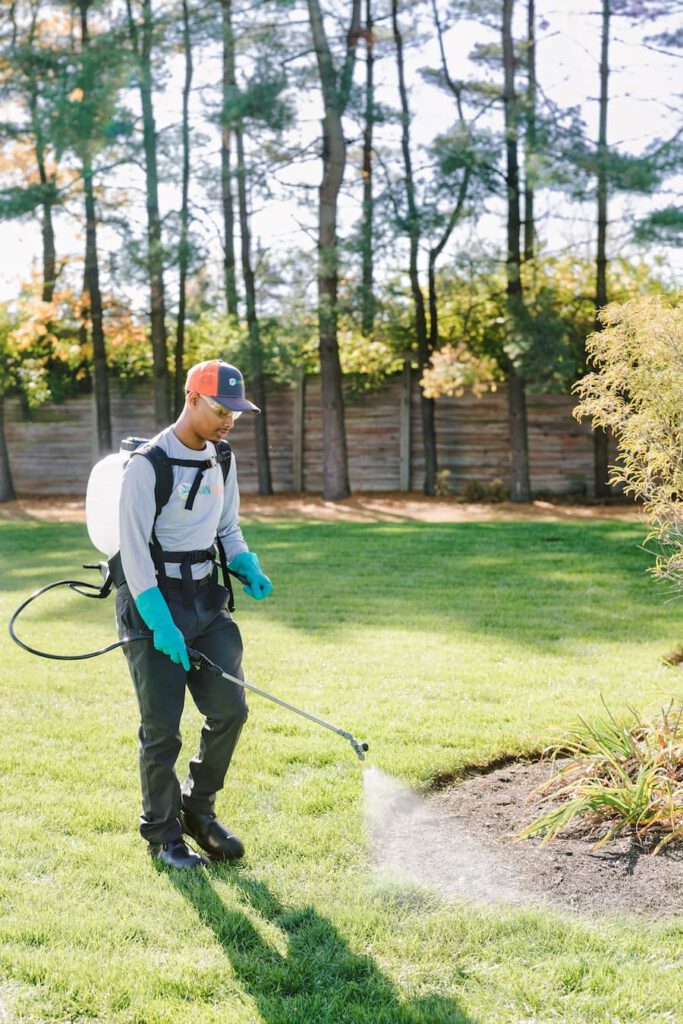
Winter is when weeds become easy to see. Lawn burweed, annual bluegrass, henbit, and chickweed all grow during the cool months, and their green color stands out against dormant grass.
This is good news. Winter weeds are small now, and winter is the right time to control them, especially burweed, which forms painful spiny burs in spring if it is left alone.
Mowing in Winter
A dormant lawn does not need regular mowing. You may want to mow once in a while to keep winter weeds from flowering and setting seed, but keep the mower at your normal height. Do not scalp a dormant lawn.
Common Mistakes
Leaving the irrigation on its summer schedule. A dormant lawn does not need it, and a constantly wet lawn invites disease.
Fertilizing in winter. The grass cannot use it, and the weeds can.
Replacing a dormant lawn because it looks dead. Check the runners and crowns first.
Letting leaves and pine needles pile up. A matted layer can leave thin, damaged spots by spring.
What a Healthy Dormant Lawn Looks Like
Imagine this. It is late January in Mount Pleasant. Your centipede lawn is an even, light tan. The irrigation has been off since November, the leaves are cleared, and there are no green weeds scattered across the yard. Underneath, the runners are firm and full of stored energy. In a few months it will green up evenly, with no thin paths and no surprise patches.
What to Do Next
This month, turn your irrigation down or off, clear leaves and pine needles from the lawn, stay off it on frosty mornings, and hold the fertilizer until spring green-up. Walk the lawn on a sunny afternoon and note any green weeds, so they can be treated while they are small.
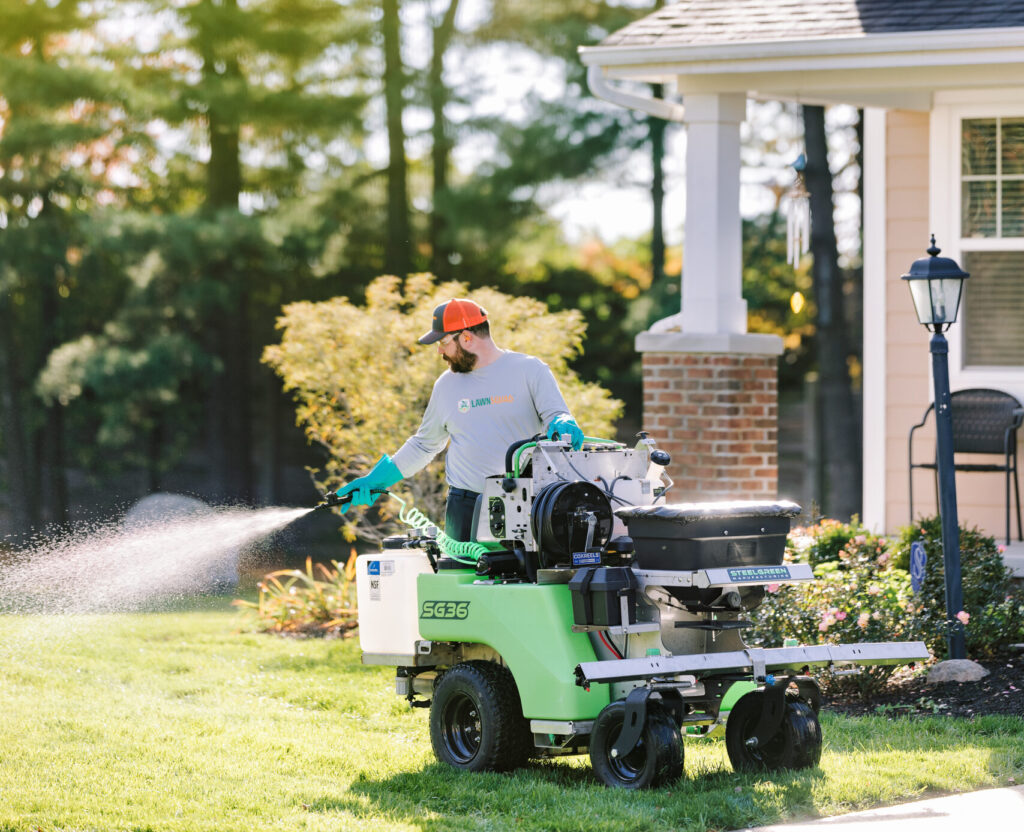
If you would rather have someone else keep an eye on your lawn through the winter and handle the weed control and timing decisions, we are here for that. Lawn Squad of The Lowcountry serves homeowners across Charleston, North Charleston, Mount Pleasant, Summerville, Goose Creek, and the surrounding area. Visit lawnsquad.com to request a free quote.
Here is what to expect. We will walk your lawn, check that the grass is healthy under the dormant blades, look for winter weeds and thin areas, and explain what we would treat and when. If your lawn does not need a treatment right now, we will tell you that honestly.