

Fleas, Ticks, and Armyworm Damage: A November Surface Insect Check for Murfreesboro Yards
Fleas, Ticks, and Armyworm Damage: A November Surface Insect Check for Murfreesboro Yards
Short Answer: November is a good month to take stock of surface insects in a Murfreesboro yard. Fleas and ticks can stay active on mild days, especially in shaded areas, along wooded edges, and wherever pets rest. Fall armyworms, which can strip Bermuda and fescue lawns in late summer and early fall, are usually killed by the first hard frost, but their damage remains. Chinch bug and sod webworm damage from summer may still show in warm-season lawns. Inspecting the yard now, reducing pest shelter, and noting damage makes spring control far more effective.
If you are reading this, the first frosts have probably come and gone, and it is tempting to assume the bugs are done for the year. For many lawn pests, they mostly are. But a few that matter to families and pets stick around, and the damage left behind by others is worth a close look before winter.
Most homeowners we talk to in Murfreesboro, Smyrna, and across Rutherford County appreciate a simple way to check the yard. Here is a November walk-through we recommend.
Fleas: Still Hiding in the Shade
Fleas thrive in warm, humid, shaded spots. As the weather cools, they often retreat to protected areas: under decks and porches, in dense groundcover and shrub beds, along shaded foundations, and wherever pets like to lie outside. Wildlife like raccoons, opossums, and stray cats can keep flea populations going in a yard.
If your pets spend time outdoors, fleas can ride inside, where they keep breeding through the winter. Signs include pets scratching more than usual and small dark specks, flea dirt, in their fur or bedding.
Ticks: Active on Mild Days
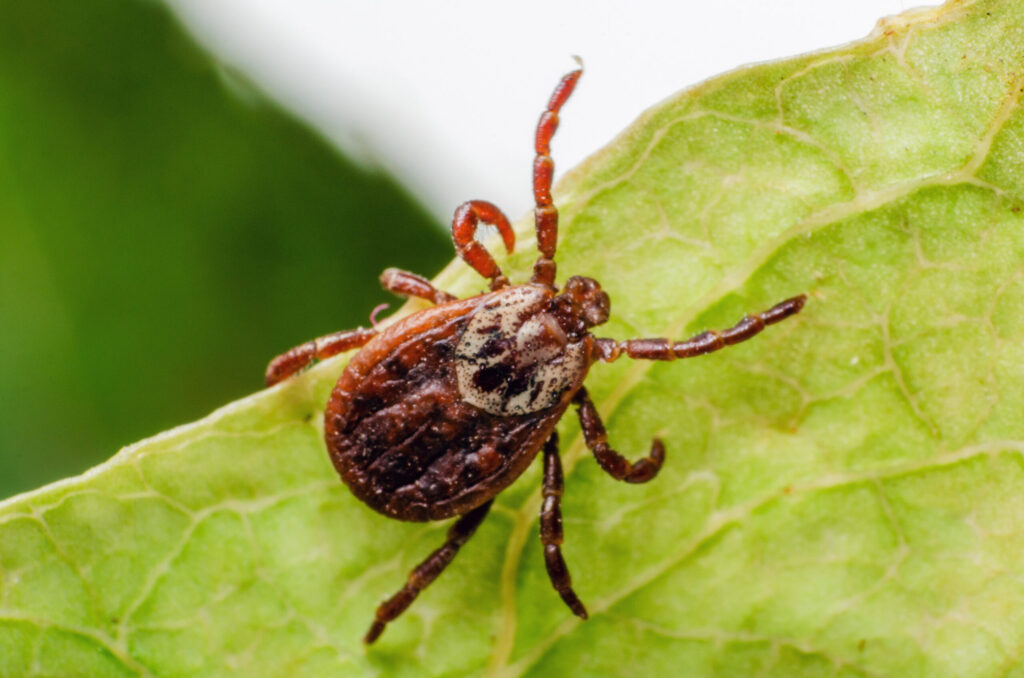
Ticks do not disappear in fall. Some species, especially adult blacklegged ticks, are active in fall and winter on days when temperatures rise above freezing. Ticks wait in leaf litter, tall grass, and brush, usually along wooded edges, fence lines, and paths rather than in open, sunny lawn. Middle Tennessee’s mild late-fall afternoons give them plenty of chances.
Fall Armyworms: The Damage Left Behind
Fall armyworms can appear in huge numbers in Middle Tennessee lawns in late summer and early fall, especially after warm, wet stretches. The caterpillars chew grass blades rapidly, and a lawn can turn brown in a matter of days. They are usually killed by the first hard frost, so by November they are no longer feeding.
The question now is what they left behind. Bermuda grass usually recovers well from armyworm damage the following spring, since its runners and crowns survive. Tall fescue is more vulnerable. Fescue areas that were heavily damaged may stay thin and need overseeding.
Chinch Bugs and Sod Webworms
In Bermuda and zoysia lawns, chinch bugs and sod webworms can cause damage in hot, dry summer weather. By November, those pests are no longer active, but the damage may still be visible as irregular brown or thin patches, often in the sunniest, driest parts of the lawn. Noting where that damage occurred helps target monitoring and treatment next summer.
Ants and Fire Ants
Ants, including imported fire ants, slow down and move deeper into the soil as temperatures drop, but they can still be active on mild days. Fire ant mounds often become more noticeable after fall rains. Marking mounds now makes spring treatment more targeted.
How to Check Your Yard
Here is a simple November walk-through. Start at the edges of the yard, where lawn meets woods, fences, and beds, and look for leaf litter, tall grass, and brush where ticks wait. Check under decks, porches, and shrubs where pets rest, and look for signs of wildlife. Walk the lawn and note any thin or brown areas from summer and fall, especially in fescue. Look for fire ant mounds, especially after a rain. And check your pets for fleas and ticks after time outdoors.
Reducing Shelter Before Winter
Many surface pests overwinter in leaf litter, dense groundcover, and debris. Rake or mulch leaves, especially along the edges of the lawn and under shrubs. Keep grass mowed along fence lines and wooded edges. Trim back dense groundcover near the house. Move firewood away from the foundation and off the ground. Clear brush piles near play areas.
Insects Moving Indoors
Late fall is also when ants, crickets, spiders, and occasional invaders like stink bugs try to move into homes for the winter. Sealing gaps around doors, windows, and utility lines, keeping mulch and leaf piles pulled back from the foundation, and treating the perimeter where insects gather all help keep them outside.
Mulch Beds Next to the Lawn
Many Murfreesboro landscapes use hardwood mulch or pine straw in beds right next to the lawn. Those beds stay moist and sheltered, which makes them a favorite hiding spot for fleas, ticks, and ants as the weather cools. Keeping mulch at a reasonable depth and pulled back a few inches from the foundation makes beds less inviting.
Recognizing Armyworm Damage Versus Dormancy
In November, it can be hard to tell armyworm damage from normal Bermuda dormancy, since both are brown. The difference is timing and pattern. Armyworm damage usually appeared suddenly in September or October while the rest of the lawn was green, often starting at one edge and moving across. Dormancy is even and happens after the first hard frost. In fescue, which should still be green now, brown or thin patches are a sign of damage worth noting.
Where Treatment Makes Sense in November
A surface insect control treatment in late fall works best when it is targeted. Wooded edges and paths where ticks wait, shaded areas where pets rest and fleas hide, and the perimeter of the house where insects try to move indoors are the areas that matter. Treatments applied on milder days, when pests are active, tend to work best.
For armyworm, chinch bug, and sod webworm damage, November is not a treatment season. Those pests are no longer active. The focus is assessing the damage and planning.
Mosquitoes and Chiggers Are Mostly Done
Two pests most Murfreesboro families can stop worrying about for now are mosquitoes and chiggers. Mosquito activity drops sharply after the first freezes, and chiggers become inactive once temperatures stay below about 60 degrees. Both will be back in late spring, and planning for them can wait until then.
Pets and Family Safety
Keep pets on flea and tick prevention through the winter, as your veterinarian recommends. Check kids and pets for ticks after time near wooded areas, even on cool days. Keep kids and pets off treated areas until they have dried, as the product label directs.
Planning for Next Year
Here is what we have found works best. Note where armyworms hit this year, since outbreaks can recur in the same areas when conditions are right. Plan to overseed heavily damaged fescue in early fall, ideally September. Mark fire ant mounds for a spring bait treatment. And plan spring and summer monitoring for chinch bugs and sod webworms in warm-season lawns.
What a Well-Checked Yard Looks Like
Imagine this. It is next September. The armyworms are showing up in some lawns across town again, but you are watching for them, and the fescue you overseeded last fall is thick and healthy. Fire ants were knocked back in spring, the dog has not brought home a tick in months, and the edges of the yard are clean. The work you did in November paid off all year.
What to Do Next
This month, walk the yard and note thin areas, armyworm damage, and fire ant mounds. Clear leaf litter and brush along the edges, keep grass mowed along wooded borders, move firewood away from the house, and keep pets on year-round flea and tick prevention. Plan fescue overseeding for next September.
If you would rather have someone else keep an eye on the insects in your Murfreesboro yard, we are here for that. Lawn Squad of Murfreesboro serves homeowners across Murfreesboro and Rutherford County. Visit lawnsquad.com to request a free quote.
Here is what to expect. We will walk your lawn and the edges of your landscape, look for signs of insect activity and the conditions that encourage it, and explain what we would treat and why. If your yard does not need a treatment right now, we will tell you that honestly.